
Mental Stimulation Activities for Seniors in Retirement Homes: How They Support a Happier Retirement
Retirement can bring something often difficult to find during working years: time. Time to pursue interests, meet people,...
Read More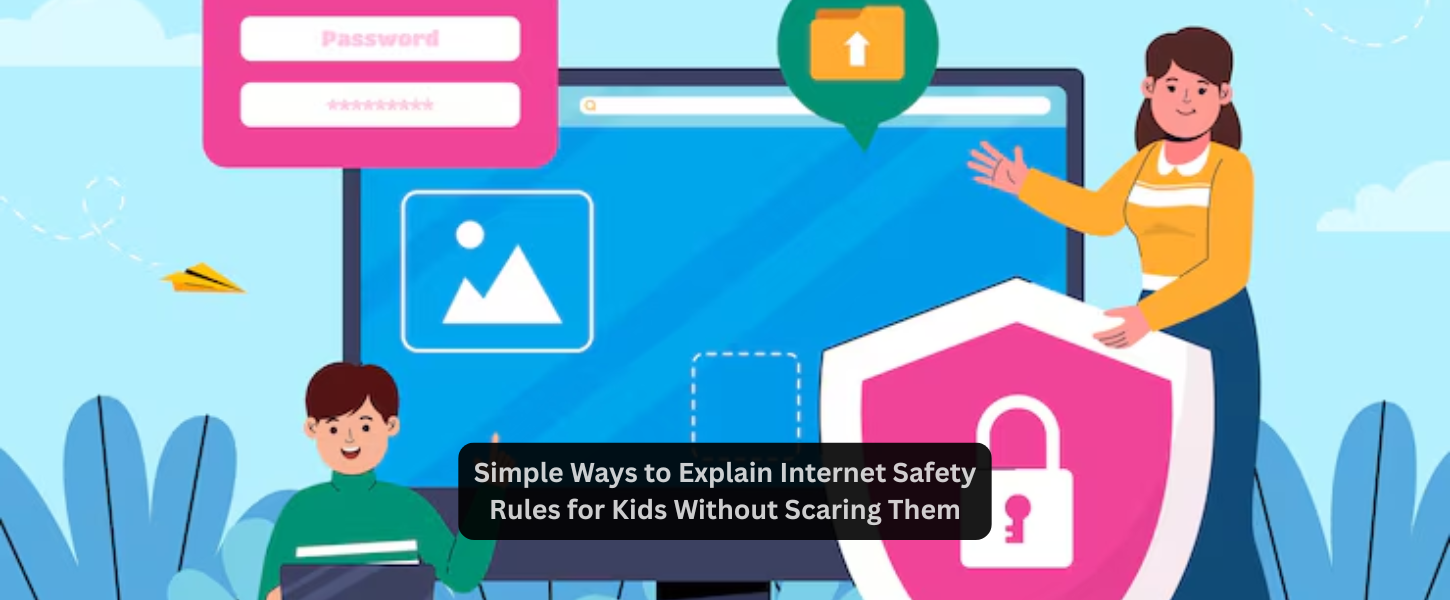

The internet is an incredible space for learning, creativity, and connection, but it also comes with risks that can feel overwhelming for parents. With children spending more time online for school, entertainment, and social interaction, teaching them safety rules for kids has become as essential as teaching them to look both ways before crossing a road.
However, striking the right balance is key. You want to keep them aware, not afraid. Children absorb lessons best when they feel safe, supported, and empowered, not when they’re anxious or confused. So, how can parents make internet safety rules easy to understand, without scaring them away from the digital world?
Let’s explore some practical parenting tips that make internet safety easier to understand, without scaring them away from the online world.
Instead of listing strict “dos and don’ts,” begin with friendly conversations about what they enjoy doing online. This helps them feel comfortable opening up about their digital experiences and habits. Ask questions like:
“What do you like to watch or play on the internet?”
“Who do you talk to when you’re online?”
These simple, open-ended questions show genuine interest and build trust. When children feel heard, they’re more likely to listen in return and accept guidance without feeling controlled. You can share your own online experiences too, like a favorite app or an interesting video, to make the conversation more relatable and two-sided.
Explain gently that, just like in the real world, not everyone online is who they seem. Encourage curiosity and exploration, but also highlight the importance of being careful when sharing personal details or interacting with strangers. Remind them that it’s always okay to pause and ask for help if something feels confusing or uncomfortable. Over time, these small, consistent talks create a strong foundation for digital awareness and safety.
Tip: Use examples from their favorite games or shows to explain risks. For instance, say,
“Imagine if someone in your game asked for your secret password, would you tell them?”
When thinking about how to teach kids complex topics like online safety, simplicity works best. Children remember better when lessons are short, visual, and connected to real life.
Explain that sharing names, addresses, or school details online is like telling strangers where you live. Make it sound about privacy, not punishment.
Some downloads can hide viruses or scams. Encourage kids to check with an adult before clicking on pop-ups or links.
The internet is a public place. Remind them that kind words and good behavior apply online just like in real life.
Whether it’s a chat message in a game or an unknown email, teach them to ignore and report unfamiliar contacts.
Let children know they can always come to you if something online makes them uncomfortable, no judgment, no anger.
Kids grasp lessons better through storytelling. You can compare the digital world to the real one in ways that make sense to them.
For example:
When lessons feel familiar, they become easier to follow and remember.
Rather than focusing only on what kids shouldn’t do, guide them toward what they should do. Praise them when they use the internet responsibly, like checking a fact before sharing it or helping a friend avoid a scam.
Create small family rituals such as:
By turning internet safety rules into part of your family culture, you’ll help your child grow into a confident, thoughtful digital citizen.
Scams can be tricky to explain to children without scaring them, so keep examples relatable. One of the easiest ways to understand how to teach kids about scams is to use their world, games, videos, or chats.
Start by explaining that not everything online is as it seems, some people create “tricks” to get information or money. You can even turn this lesson into a game by asking them to spot what seems suspicious in make-believe scenarios.
Reassure them that even adults can get tricked sometimes, and it’s never their fault. The important thing is to talk about it immediately. When kids know they can come to you openly, they build trust, confidence, and resilience.
Creating a secure digital environment starts at home. You can do this quietly, without making it feel restrictive.
A safe home, both physically and digitally, helps children build confidence and independence while knowing they’re protected.
A child’s sense of safety starts with their surroundings. Homes that are nurturing, inclusive, and supportive help kids develop emotional intelligence and self-discipline, qualities essential for navigating today’s digital world.
Developers like Ashiana Housing have long understood this connection between home and holistic growth. Their kid-centric project, Ashiana Amarah, is designed to create environments where children can learn, explore, and grow safely, both online and offline. With features like learning hubs, play areas, and secure neighborhoods, Ashiana Amarah ensures children experience independence in a structured and caring community.
Such thoughtfully built spaces remind us that learning doesn’t stop at school, it continues in every corner of a child’s home and surroundings.
The digital world offers endless opportunities for children to explore and grow, but guidance makes all the difference. Knowing how to teach kids about internet safety with patience and positivity empowers them to make smart choices online, without fear or confusion.
By combining open communication, consistent guidance, and proven parenting tips, you can help your child embrace the internet as a tool for learning, creativity, and connection, all while staying safe and confident every step of the way.