
The Future of Urban Living: Why Community-Focused Homes Matter
Square footage, location, and specifications remain important considerations when choosing a home. But increasingly, the decision doesn’t end...
Read More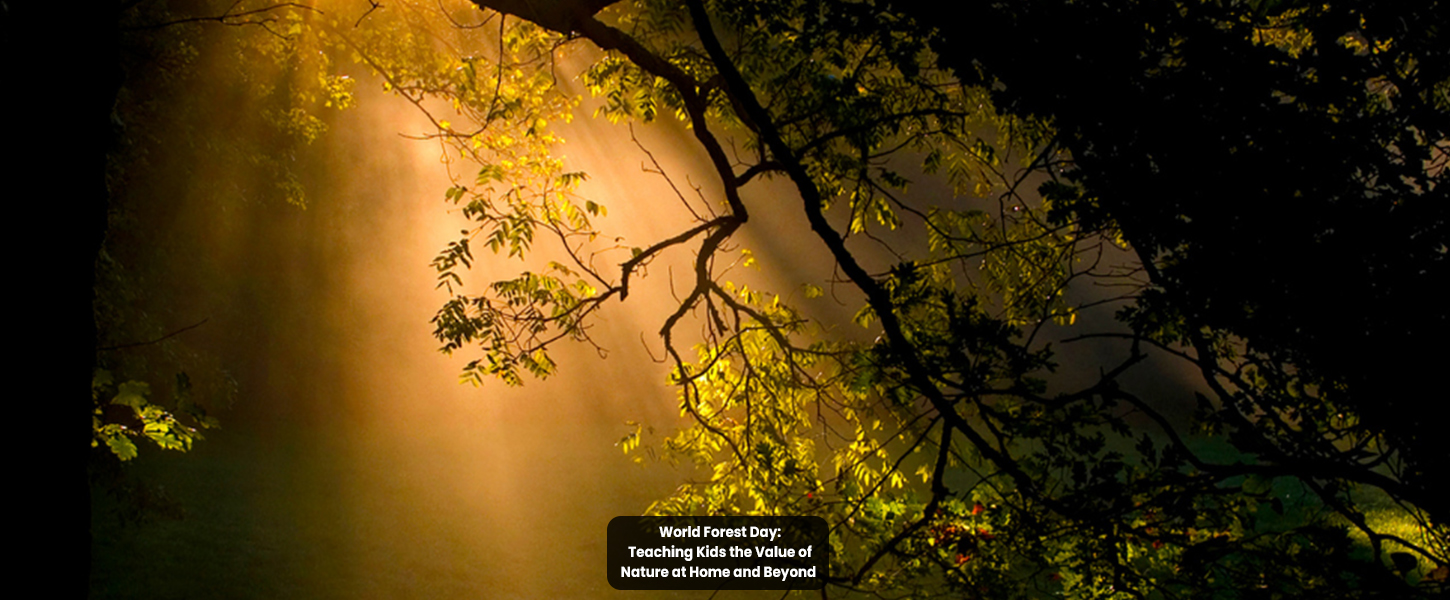

In the fast-paced world of today, where our boredom is mostly tackled with screens all around, it’s very easy for children to lose touch with nature – which could also reflect negatively on their health and overall growth. As parents though, we do have the power to change that – and what better time to teach kids about nature and its importance than World Forest Day?
Observed on 21st March every year, as is evident by the name, this day acts as a global reminder of the importance of forests in our lives, and the urgent need to protect and preserve them. Beyond the trees and environment, this day also holds a deeper message – about nurturing values, responsibility, care, and respect for the planet – right from childhood.
Nature is so much more than fresh air or beautiful views – it’s a powerful teacher, that nurtures as well as punishes. When our children interact with the natural world out there, they tend to develop essential life skills, in addition to the obvious knowledge about flora and fauna.
There have been multiple studies that show that children who spend time outdoors experience:
With every sapling planted or with every season change observed, our children not only learn more about nature but also learn essential virtues like patience, responsibility, and empathy.
With activities like these, children develop a connection with nature over time and grow up as responsible adults who not only promote nature and greenery but also take action to preserve it.
Ref: https://www.healthpolicyohio.org/health-policy-news/2024/06/28/study-child-mental-health-greatly-improved-by-spending-time-in-nature
This World Forest Day, utilize the day towards getting things done for nature, the best lessons are always through action, here are some practical and fun ways to teach your kids the importance of nature and forest conversation:
Your home is your child’s first classroom. The values you prioritize, whether it’s conserving water, recycling, or embracing green living, become their foundation for life.
When children are raised in an environment that values sustainability, those lessons become second nature. Imagine a home where they grow up surrounded by greenery, engage in outdoor play, and participate in eco-friendly activities. It shapes their mindset and encourages a deeper respect for the world.
As parents, your actions speak louder than words. When your child sees you choosing reusable bags, planting trees, or reducing waste, they follow suit. Small changes within your home create a ripple effect, instilling habits that last a lifetime.
In today’s busy lives, it becomes very difficult for working parents to spend quality time with kids and indulge in activities like the ones mentioned above. In such scenarios, Kid-Centric Homes can help. KCHs are housing projects that provide extra attention to the upbringing and nurturing of growing kids through multiple well-planned co-curricular and extracurricular activities.
Ashiana Housing has pioneered the Kid-Centric Homes segment in the country and currently serves 1300+ families across three projects. Our KCHs are thoughtfully designed to provide safe, green spaces where your child can play, learn, and grow. Activities like gardening, planting trees, garbage disposal drives, etc. are a common occurrence at our KCHs – these help children not only understand the value of preserving nature but also let them spend time socializing with other kids of their age.
Through our signature Live & Learn program, we create an environment that encourages children to develop life skills while fostering an appreciation for nature. With lush landscapes, dedicated play areas, and eco-friendly initiatives, your child can experience the joy of outdoor learning while building a deeper connection with the environment.
21st March might just be another day on the calendar but World Forest Day is a powerful reminder that the choices we make today shape the world of tomorrow – a world that will be shaped by our future generations, a world that our children will inherit from us. As parents, it is our moral duty to make environmental consciousness a part of our children’s everyday lives.
If not actively participating in the same, the least we can do is provide our children with a safe environment that promotes these essential skills of preserving nature, planting trees, eco-friendly habits, or simply spending time with nature.