
Chennai’s GCC Expansion and Its Potential Impact on Real Estate Market
Chennai has long been recognised for its strong manufacturing, automobile, IT, healthcare, financial services, and engineering sectors. In...
Read More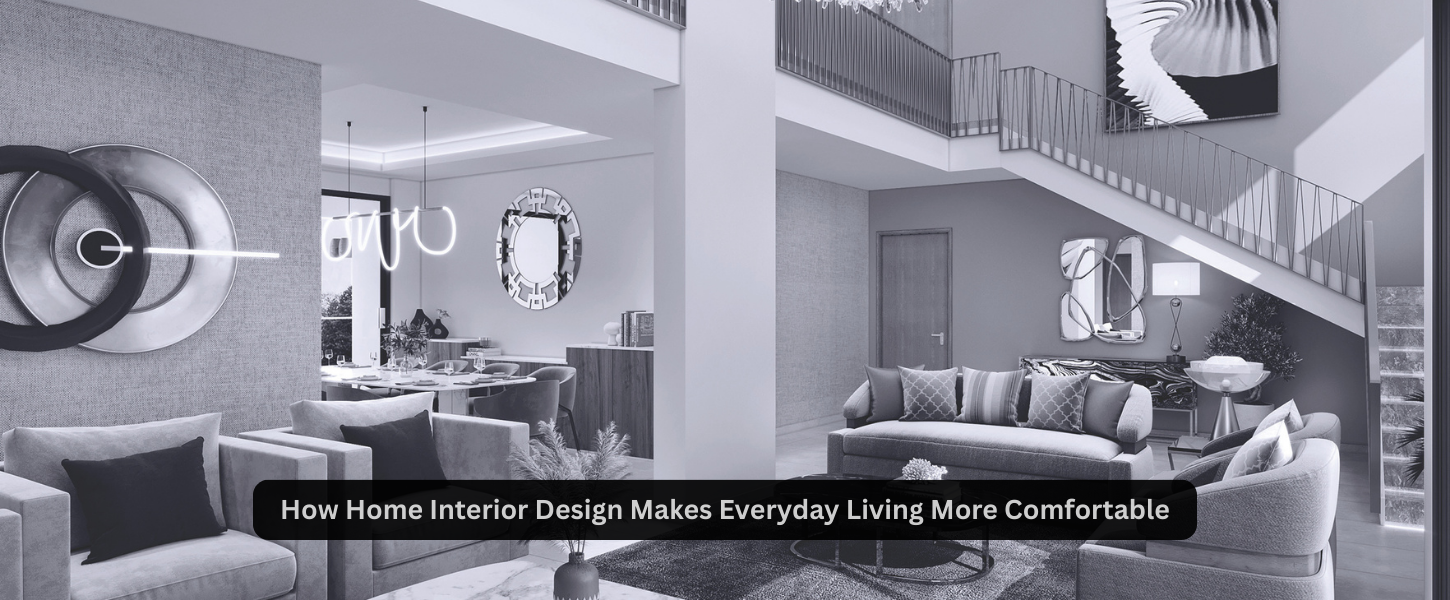

Home interior design focuses on planning spaces inside a home to support comfort, functionality, and daily living. From layout and lighting to storage and furniture placement, thoughtful design makes homes easier to move through, calmer to live in, and better suited to everyday routines, helping residents feel relaxed, organised, and comfortable throughout the day.
When people think about interior design, visuals often come first, such as colours, furniture, or decor trends. But in everyday life, home interior design plays a far deeper role. It quietly influences how smoothly mornings unfold, how relaxed evenings feel, and how comfortable every family member is throughout the day.
From the way sunlight enters a room to how easily storage fits daily habits, interior design shapes routines more than we realise. A well-designed home doesn’t demand attention; it simply works, adapting to lifestyles, supporting comfort, and creating a sense of ease that residents feel rather than consciously notice.
Good interior design starts with thoughtful planning of space. Clear movement paths, well-proportioned rooms, and balanced layouts allow residents to move naturally without feeling cramped or restricted. Whether it’s a living room that allows easy conversation or a bedroom layout that supports rest, flow matters.
Homes that invite natural light feel instantly more comfortable. Large windows, cross-ventilation, and open layouts reduce dependence on artificial lighting and improve indoor air quality. In both living room and home interior design spaces, light and airflow directly affect mood, energy, and sleep quality.
Clutter isn’t just a visual issue; it affects mental comfort too. Smart storage solutions integrated into the design help keep everyday items organised and accessible. Built-in wardrobes, thoughtfully planned kitchen storage, and multipurpose furniture reduce chaos and make homes easier to manage.
Comfortable living isn’t about filling rooms; it’s about using them wisely. Proper furniture placement ensures seating feels inviting, workspaces are functional, and rooms remain flexible for daily activities. Especially in compact homes, layout decisions make a noticeable difference.
Soft textures, warm materials, and balanced colour palettes contribute to a sense of calm. Neutral tones paired with natural finishes create environments that feel welcoming and timeless, rather than overwhelming or tiring over time.
A home is more than a physical structure, it’s a mental refuge. Interior design has a direct impact on emotional well-being, often in subtle ways.
Calm, balanced spaces help reduce stress after long workdays. Functional layouts prevent daily frustrations, such as cramped kitchens or poorly planned bedrooms. Thoughtful bedroom home interior design, for instance, promotes better sleep through soothing colours, proper lighting, and minimal distractions.
Design also supports comfort across age groups. Children need safe, adaptable spaces; adults need areas to focus or unwind; seniors benefit from easy accessibility and intuitive layouts. When interiors consider all life stages, homes remain comfortable long-term, not just at move-in.
While individual interior choices matter, the foundation of comfort begins at the planning stage. Residential developments that prioritise liveability tend to create homes where interior design feels intuitive rather than forced.
This is where developers like Ashiana Housing are often noted for their approach. Instead of treating interiors as an afterthought, such developments reflect an understanding of how residents actually live, balancing space, light, privacy, and everyday usability.
Design-led planning ensures that homes adapt naturally to daily routines, making interior design decisions easier and more effective for homeowners. Ashiana Tarang reflects how thoughtful planning supports interior comfort without relying on excess.
Layouts are designed to make daily movement effortless, with rooms that feel proportionate and functional for families. Interiors allow ample natural light and ventilation, enhancing comfort throughout the day. Spaces are planned to support routine activities, working, relaxing, and gathering without requiring constant adjustments.
Rather than focusing on showy interiors, the emphasis remains on usability. Homes feel easy to live in, allowing residents to personalise their home interior design ideas while benefiting from a well-considered foundation.
Good interior design rarely announces itself; it simply makes life smoother. When homes are planned around comfort, functionality, and emotional well-being, everyday living becomes more relaxed and fulfilling.
From layout and lighting to materials and storage, home interior design quietly shapes how people experience their homes each day. When design supports real lifestyles, comfort becomes effortless, and that’s when a house truly feels like home.