Chennai’s GCC Expansion and Its Potential Impact on Real Estate Market
Chennai has long been recognised for its strong manufacturing, automobile, IT, healthcare, financial services, and engineering sectors. In...
Read More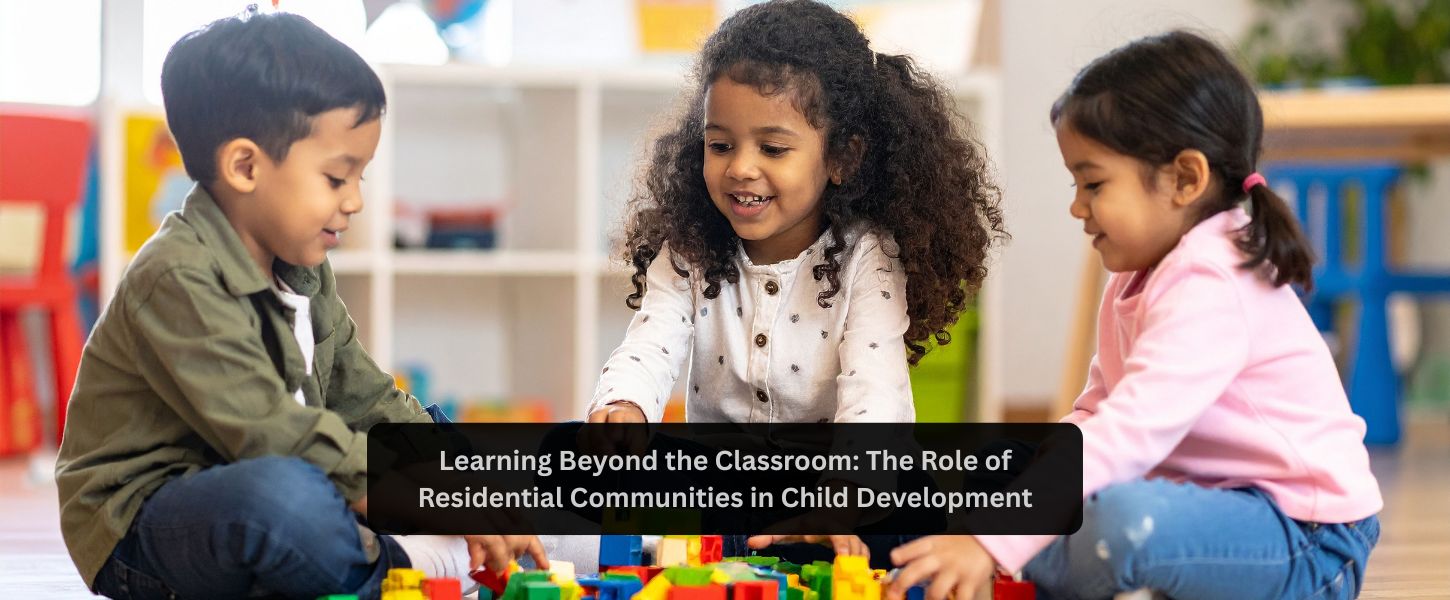

Learning beyond the classroom supports Child Development by combining community living, social interaction, and real-world experiences. Residential communities create enriching learning environments that foster holistic child development, confidence, creativity, and essential life skills.
A child’s learning journey extends far beyond the classroom, with everyday experiences, social interactions, and environmental influences playing a vital role in Child Development. As parents increasingly seek holistic growth opportunities for their children, residential communities are emerging as important spaces that encourage exploration, interaction, and real-world learning, helping children develop essential life skills alongside academic knowledge.
Children naturally learn through observation, participation, and experience. Every conversation, friendship, outdoor activity, and community event contributes to their understanding of the world.
This concept of learning beyond the classroom allows children to:
When learning becomes part of everyday life, children are more likely to retain knowledge and develop a genuine curiosity for discovery.
The environment in which children grow up plays a crucial role in shaping their personality, behavior, and overall development. Well-planned residential communities provide opportunities for learning and growth that extend beyond traditional classroom settings.
Through interactions with peers, participation in community activities, and shared experiences, children learn responsibility, independence, and social skills in a safe and supportive environment. These everyday experiences contribute significantly to child growth and development while also supporting emotional well-being.
Everyday interactions within a community help children develop essential interpersonal skills. Whether through playing with neighbors, participating in sports, or engaging in community activities, these experiences foster social development in children by strengthening communication, teamwork, empathy, respect for others, and the ability to resolve conflicts effectively.
Some of the most effective lessons happen outside structured settings. Gardening activities, cultural celebrations, sports tournaments, and outdoor exploration help children understand concepts through direct experience.
This form of learning beyond the classroom makes education more engaging and relevant.
A supportive community gives children opportunities to manage emotions, handle challenges, and build resilience. Positive social experiences help children develop confidence and emotional intelligence that benefit them throughout life.
Community spaces encourage children to explore interests on their own. Whether learning a new game, joining a hobby group, or discovering nature, these experiences promote self-motivation and curiosity.
The quality of a child’s surroundings has a direct impact on learning outcomes. A strong learning environment extends beyond classrooms and includes spaces where children feel safe, engaged, and encouraged to explore.
Key elements of a child-friendly learning environment include:
These features encourage active learning while supporting physical and emotional growth.
Success today is no longer measured solely by academic performance. Children need a combination of intellectual, social, emotional, and practical skills to thrive in a rapidly changing world. This is why holistic child development has become a priority for parents and educators alike. Communities that provide opportunities for learning, interaction, creativity, and exploration help nurture well-rounded individuals who are prepared for future challenges.
Across the world, there is a growing emphasis on creating environments that actively support children’s development. Developers are increasingly recognizing that homes should offer more than physical infrastructure; they should also contribute to a child’s growth journey.
Ashiana Housing has been among the pioneers in promoting this philosophy through child-centric residential developments. Projects such as Ashiana Amarah, located in Sector-93, Gurgaon are designed with spaces that encourage interaction, outdoor engagement, and experiential learning. By creating opportunities for children to connect, explore, and participate in community life, such environments naturally support child growth and development while complementing learning that happens at school.
The future of education extends far beyond classroom walls. While schools provide academic foundations, many of the skills children need for lifelong success are developed through real-world experiences and social interactions.
A strong community environment helps children:
As families continue to seek enriching environments for their children, thoughtfully designed residential communities will play an increasingly important role in supporting healthy Child Development and preparing children for the future.
Learning that happens through everyday experiences, activities, and social interactions outside school.
They provide opportunities for learning, social interaction, play, and skill development.
It helps children build confidence, communication skills, independence, and social awareness.
Safe spaces, outdoor areas, recreational facilities, and opportunities for exploration and interaction.
It supports holistic child development through practical experiences and real-world learning.