A Community That Celebrates Every Little Victory Helps Children Dream Bigger
Every child achieves milestones in different ways. It could be learning a new skill, participating in a competition,...
Read More

When people admire a beautiful home, they often notice the elegant architecture, stylish interiors, and modern amenities. However, what truly determines the success of a residential project lies beneath the surface. Every durable and safe home begins with careful planning, engineering expertise, and flawless execution. Strong home construction is the foundation of every successful development and ensures that homes remain safe and functional for years to come.
This is where the role of civil engineers becomes essential. They are the professionals who transform blueprints into strong, functional, and long-lasting residential properties. From evaluating the land to ensuring structural safety, civil engineers are involved in every step of the residential construction journey. Their expertise is the driving force behind quality construction that meets the expectations of modern homeowners.
Let’s explore how their expertise shapes every stage of a high-quality residential development.
Every successful residential project starts with understanding the land. Civil engineers conduct soil investigations, evaluate ground conditions, and determine the most suitable foundation system.
The role of civil engineers at this stage is to ensure the building has the structural strength needed to withstand environmental conditions while supporting the entire structure safely. Careful planning during this phase creates the base for durable home construction and long-term structural stability.
Without proper groundwork, even the most attractive homes can face structural challenges in the future.
Architects create inspiring designs, but it is civil engineers who make those designs practical and structurally sound.
Their responsibilities include:
This collaboration ensures every residential project balances aesthetics with functionality while delivering quality construction that homeowners can trust.
Construction quality cannot be inspected only after completion. It must be maintained every single day.
The role of civil engineers during construction includes monitoring workmanship, inspecting materials, supervising contractors, and ensuring every activity follows approved specifications.
By maintaining strict quality control, they help deliver residential properties that require less maintenance and offer greater durability. Their focus on construction quality also reduces future repair costs and enhances the overall value of every project.
Construction involves multiple teams working simultaneously.
Civil engineers coordinate between:
Their project management skills keep the residential project progressing smoothly while maintaining construction quality, safety, and timelines. Effective coordination also ensures that every stage of residential construction meets engineering and regulatory standards.
A quality home is also a safe home.
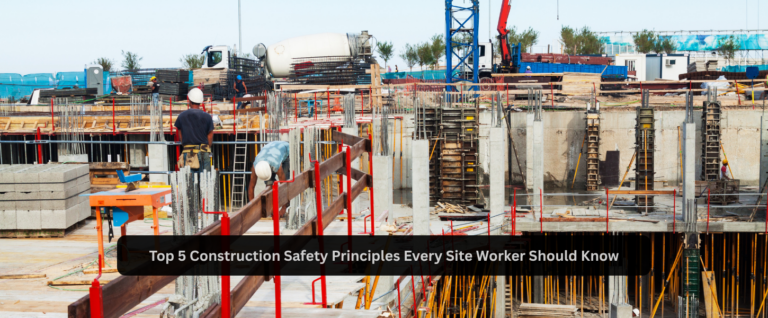
The role of civil engineers extends to implementing construction safety measures, ensuring regulatory compliance, and identifying potential risks before they become major problems.
This proactive approach protects both construction workers and future homeowners while supporting quality construction throughout the project lifecycle.
Today’s homebuyers expect more than just beautiful homes.
Modern residential properties are expected to be energy efficient, environmentally responsible, and built for long-term performance.
Civil engineers contribute by:
These efforts increase the long-term value of every residential project while promoting environmentally responsible home construction that benefits future generations.
Successful civil engineers combine technical knowledge with practical experience.
Some of their most valuable qualities include:
These qualities enable them to deliver outstanding results throughout every residential project. Their dedication to construction quality ensures that every home is built to the highest standards.
The true measure of a home is not how impressive it looks on possession day but how well it performs years later.
This is why the role of civil engineers remains one of the most important factors behind successful residential properties. Their expertise ensures every project is structurally sound, efficiently executed, and built to withstand the test of time through superior quality construction.
Whether it is planning, residential construction, quality control, or sustainability, civil engineers shape every stage of a residential project. Their contribution ultimately gives homeowners confidence that their investment is supported by excellent home construction, exceptional construction quality, and engineering expertise that creates safe, durable, and future-ready communities.
What is the role of civil engineers in a residential project?
The role of civil engineers is to plan, design, supervise, and manage every stage of a residential project. They ensure structural stability, construction quality, safety compliance, and timely project execution.
Why are civil engineers important for residential properties?
Civil engineers ensure that residential properties are built with strong foundations, quality materials, and proper engineering practices. Their expertise enhances durability, safety, and the long-term value of homes.
How do civil engineers improve the quality of residential projects?
Civil engineers improve residential projects by monitoring construction activities, inspecting materials, maintaining quality standards, coordinating with construction teams, and ensuring every phase follows approved engineering specifications.