
Gandhi Jayanti for Kids: 7 Gandhian Values Every Child Can Practise in Everyday Life
Every year, Gandhi Jayanti reminds us of the life, thoughts, and principles of Mahatma Gandhi. While the day...
Read More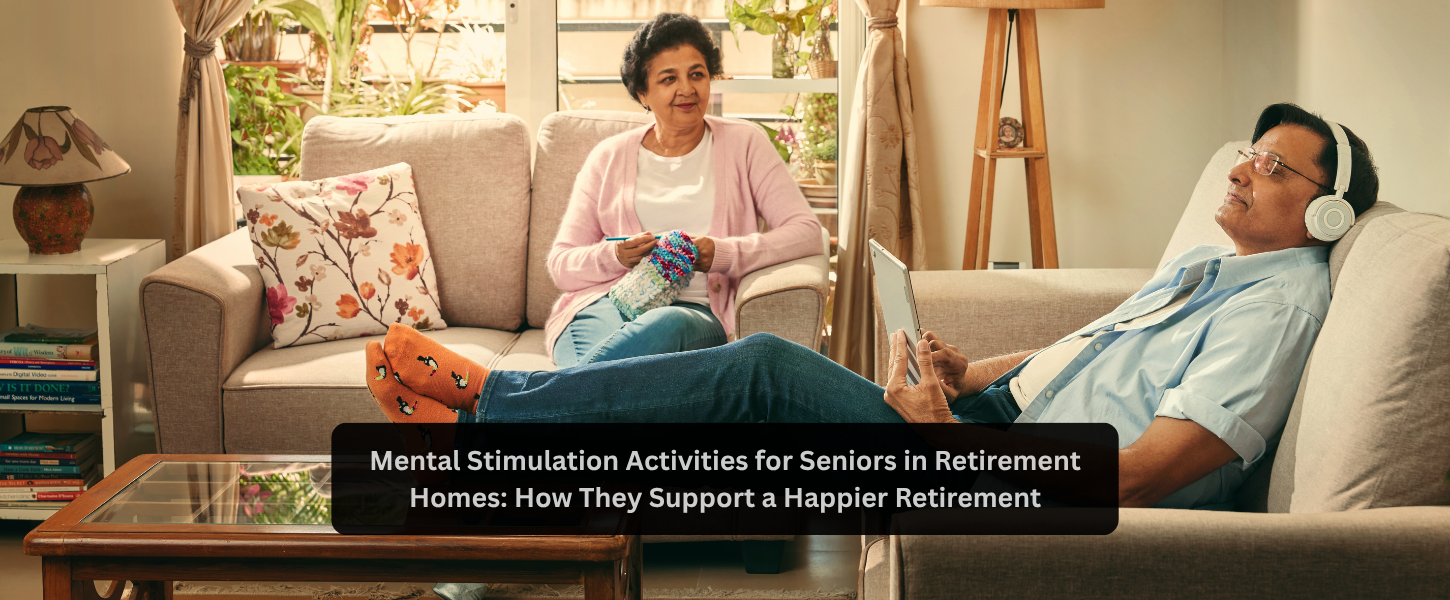

Retirement can bring something often difficult to find during working years: time. Time to pursue interests, meet people, learn something new, and rediscover activities that may have taken a back seat to professional and family responsibilities. This is why thoughtfully planned retirement homes increasingly focus not only on physical comfort but also on opportunities that keep residents mentally and socially engaged.
Mental stimulation can come from something as simple as completing a crossword, discussing a book, learning a new skill, playing a board game, or participating in a group activity. When these experiences become part of everyday community life, they can make retirement more engaging, socially connected, and personally fulfilling.
The mind, much like the body, benefits from regular activity. Activities that involve memory, attention, problem-solving, creativity, or learning encourage seniors to remain curious and engaged with their surroundings.
Mental stimulation does not necessarily mean complicated exercises or structured lessons. Reading the newspaper, discussing current affairs, gardening, playing cards, listening to music, or learning to use a new digital device can all encourage active participation.
Within retirement homes, such activities can be particularly valuable because they can be organised as part of community life. Residents have opportunities to participate with peers, turning an individual hobby into a shared social experience.
Chess, carrom, sudoku, crosswords, jigsaw puzzles, and card games are enjoyable ways to encourage concentration and strategic thinking.
The social element makes them even more engaging. A friendly game of chess or cards allows residents to interact, laugh, compete, and spend meaningful time together.
Many retirement homes therefore include indoor activity areas or organise regular game sessions where residents can participate according to their interests.
Reading remains one of the simplest ways to stay mentally active. Newspapers, novels, biographies, magazines, and poetry can introduce new ideas while providing an enjoyable daily routine.
Book clubs can take this a step further. Discussing a story with others encourages residents to share perspectives, recall details, and participate in conversations.
For seniors who have always enjoyed literature but had limited time during their working years, retirement can be an opportunity to return to reading with greater freedom.
Mental stimulation does not have to revolve around puzzles and memory exercises. Creativity can be equally engaging.
Painting, singing, handicrafts, pottery, music, dance, and other creative activities allow seniors to express themselves while learning and practising skills.
Group performances and cultural events can add another dimension. Residents may rehearse together, celebrate festivals, organise exhibitions, or simply enjoy music as a community.
This is one reason modern retirement homes often incorporate cultural and creative activities into their community calendars rather than treating recreation as an occasional event.
Retirement can be an excellent time to become a student again.
A senior might learn a new language, explore photography, attend a gardening workshop, understand digital payments, or learn how to make video calls more confidently. The subject itself matters less than the experience of learning.
Digital literacy can be particularly useful. Becoming comfortable with smartphones, online services, video calls, and entertainment platforms can help seniors remain independent and connected with family and friends.
In well-planned retirement homes, workshops and interest-based sessions can make this learning process social rather than solitary.
Gardening combines several forms of engagement. Planning what to grow, caring for plants, observing changes, and spending time outdoors can create a satisfying routine.
It also provides gentle physical activity and opportunities for conversation when gardening spaces are shared.
Even residents without private gardens can participate through community gardening, terrace gardens, or organised horticultural activities. The simple responsibility of caring for a plant can bring structure and purpose to the day.
Mental well-being and social engagement often go together. Retirement may change long-established routines and, in some cases, reduce the frequency of everyday social interaction.
Community activities can help fill that gap.
Group discussions, movie screenings, festival celebrations, hobby clubs, antakshari, quizzes, outings, and shared meals create natural opportunities to meet neighbours and form friendships.
This is where community-based retirement homes can offer an important advantage. Instead of seniors having to actively search for social opportunities, activities and peers are part of the environment around them.
Mental engagement also includes knowing when to slow down.
Yoga, breathing exercises, meditation, and mindfulness practices can become meaningful parts of a senior’s daily routine. When combined with recreational and social activities, they can contribute to a more balanced lifestyle.
The objective is not to keep every hour occupied. A fulfilling retirement should provide both stimulation and relaxation, allowing residents to choose activities according to their interests and energy levels.
One of the challenges of staying mentally and socially active after retirement is consistency. It is easy to plan a hobby or activity; maintaining it regularly can be harder when opportunities for interaction are limited.
This is where thoughtfully planned senior living communities can make a difference. Shared spaces, activity calendars, clubs, celebrations, and neighbours at similar stages of life can make participation part of everyday living rather than something that needs to be arranged separately.
In Chennai, for example, Ashiana Housing’s Swarang senior living community at Mahindra World City reflects this community-oriented approach to retirement. Along with residential and senior-focused facilities, the larger idea behind such communities is to create opportunities for residents to remain active, pursue interests, and interact with peers.
The presence of communities such as Swarang also reflects a broader change in how families look at retirement homes. The conversation is gradually moving beyond assistance and safety towards questions of independence, friendships, activities, wellness, and how meaningfully seniors can spend their time.
There is no universal activity schedule that suits every senior. Someone who enjoys books may have little interest in gardening, while an enthusiastic musician may prefer a cultural evening to a crossword competition.
Good retirement homes recognise these differences. Rather than simply keeping residents “busy,” the focus should be on providing enough variety for individuals to choose activities that genuinely interest them.
Family members can also encourage seniors to explore new hobbies without turning participation into an obligation. Mental stimulation is most valuable when it comes with curiosity and enjoyment.
Retirement does not have to mean slowing down intellectually or socially. It can be a stage of life filled with learning, friendships, creativity, hobbies, and experiences that there was previously little time to pursue.
From reading and board games to gardening, music, digital learning, and community celebrations, mental stimulation can take many forms. What matters is having regular opportunities to remain curious and connected.
That is also why the role of modern retirement homes is evolving. A thoughtfully planned community is not simply a place to reside after retirement; it can provide an environment where residents have opportunities to participate, socialise, learn, relax, and continue doing things that give their days meaning.
Ultimately, a happier retirement is not about filling every hour with activities. It is about having the freedom, companionship, and opportunities to make those hours fulfilling.
Why is mental stimulation important for seniors in retirement homes?
Mental stimulation encourages seniors to remain curious, engaged and socially active. Activities involving reading, puzzles, games, creativity, learning and conversation can provide enjoyable ways to exercise memory, attention and problem-solving skills while adding variety to everyday routines.
What are some good mental stimulation activities for senior citizens?
Reading, Sudoku, crosswords, chess, card games, gardening, painting, music, book discussions and learning new digital skills are some engaging options. Group activities such as quizzes, hobby clubs and cultural programmes can combine mental stimulation with opportunities for social interaction.
How do retirement homes encourage seniors to stay socially and mentally active?
Thoughtfully planned retirement homes may provide shared recreational spaces, hobby groups, activity calendars, cultural programmes, games and opportunities to learn new skills. A community setting also makes it easier for residents to meet peers and participate in activities according to their interests.
How does community living support an active retirement?
Community living can make social interaction and recreational activities a natural part of everyday life. Senior living communities such as Ashiana Housing’s Swarang in Chennai are designed around the broader idea of active senior living, where residents can pursue interests, participate in activities, and interact with people at a similar stage of life.