What Is a Senior Living Resort? A Complete Guide for Families in India
Retirement should be about enjoying life at a comfortable pace, staying connected with loved ones, and having the...
Read More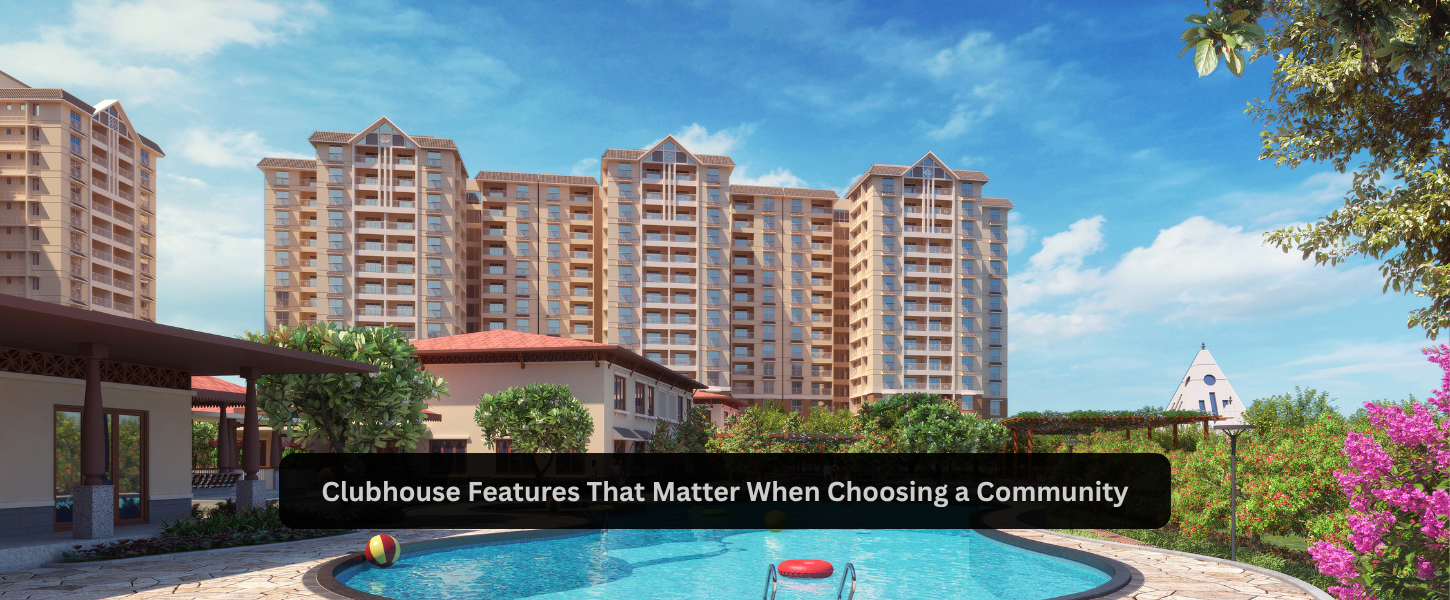

When choosing a home, buyers naturally focus on location, floor plans, construction quality, connectivity, and price. But there is another part of residential living that can significantly influence everyday life: the clubhouse.
A thoughtfully designed clubhouse is more than a collection of recreational facilities. It can become a place where residents exercise, meet neighbours, spend time with family, pursue hobbies, and take a break from their daily routines. This is why clubhouse amenities have become an increasingly important consideration when comparing residential communities.
However, not every clubhouse offers the same value. The number of facilities matters less than whether they are useful, accessible, well-planned, and suited to the needs of the community.
The best clubhouse amenities are those that become part of residents’ everyday routines. A gym that is easily accessible may encourage regular exercise, while a multipurpose hall can provide a space for celebrations and community gatherings.
A good clubhouse should ideally cater to different age groups and interests. Families, children, young professionals, and senior residents may all use the same community differently. Therefore, variety and thoughtful planning are important.
Before choosing a home, buyers should consider whether the clubhouse offers facilities that genuinely complement their lifestyle rather than simply adding to a project’s amenity list.
Fitness is one of the most practical categories of clubhouse amenities.
A well-equipped gym, walking or jogging track, yoga area, swimming pool, or fitness zone can make it easier for residents to incorporate physical activity into their daily lives.
The biggest advantage is convenience. Instead of travelling across the city for basic fitness activities, residents can access them within the community.
For families, having wellness facilities nearby can also encourage healthier routines across generations.
Sports facilities can make a residential community more active and social.
Depending on the project, useful facilities may include badminton courts, tennis courts, pickleball courts, table tennis areas, or other indoor and outdoor sports spaces.
The important factor is variety. Children may prefer outdoor games, while adults may enjoy badminton or tennis. Having multiple options allows residents to choose activities according to their interests.
Sports spaces can also create opportunities for informal interaction, helping neighbours develop stronger connections.
For families with children, child-friendly clubhouse amenities can be an important consideration.
A dedicated kids’ play area provides children with a space to play and interact within the residential community. Indoor activity areas can also be useful when outdoor activities are not practical.
Parents should look for spaces that are well-designed, accessible, and integrated into the broader community, rather than treating children’s facilities as an afterthought.
A good children’s area can provide more than recreation. It can encourage social interaction, teamwork, creativity, and independent play.
A clubhouse should also support community life.
Multipurpose halls can accommodate birthday celebrations, festive gatherings, cultural programmes, workshops, resident meetings, and other events.
These spaces become particularly valuable during festivals and special occasions when residents want to celebrate together without having to leave the community.
In this way, clubhouse amenities can contribute to something that is difficult to measure but important to residential living: a sense of belonging.
Not everyone wants to spend their leisure time exercising.
Indoor games, reading spaces, hobby areas, and recreational rooms can provide alternatives for residents who prefer quieter activities.
Board games, cards, reading, arts and crafts, and other hobbies can encourage residents to spend time away from screens and interact with neighbours.
For older residents in particular, such spaces can provide opportunities for social engagement while allowing them to remain active at their own pace.
Food has always been an important part of social interaction. A cafeteria or café within the clubhouse can provide residents with a convenient place to meet friends, have informal conversations, or spend time with family.
Outdoor seating, landscaped areas, lounges, and gathering spaces can complement the clubhouse’s indoor facilities.
When evaluating clubhouse amenities, buyers should therefore look beyond fitness and sports facilities and consider whether the clubhouse creates comfortable spaces for simply spending time together.
Ashiana Oma in Jaipur exemplifies how a clubhouse can become an integral part of a larger residential community rather than merely an additional facility.
Located in Mansarovar Extension near Ajmer Road, Ashiana Oma is planned as a low-density residential development spread across approximately 10.35 acres, with 490 residences and a 17% building footprint. Nearly 40% of the project is dedicated to green landscape, while 43% comprises open spaces, creating a more spacious setting around the residential areas.
The project features a grand clubhouse surrounded by greenery, with facilities designed around fitness, recreation, and social interaction. These include a swimming pool and kids’ pool, fitness court and gymnasium, indoor badminton court, multipurpose hall, cafeteria, indoor games, pickleball and tennis courts. Residents also have access to jogging and walking tracks, an amphitheatre, kids’ play area, landscaped greens, water cascades, leisure zones and open lawns with sit-out spaces.
This variety is important when evaluating clubhouse amenities because different residents use shared spaces differently. Someone may prefer the gym or walking track, while another resident may use the multipurpose hall for community gatherings or the sports facilities for recreation.
Before making a decision, buyers should think about their own lifestyle.
A family with young children may prioritise play areas, swimming pools, sports facilities, and multipurpose spaces. Working professionals may value gyms, recreational areas, and spaces that help them unwind after work. Senior residents may look for walking areas, quieter recreational spaces, wellness facilities, and opportunities for social interaction.
The best clubhouse amenities are therefore not necessarily the most luxurious ones. They are the facilities that residents can realistically use and enjoy.
A residential community is ultimately about everyday experiences. The clubhouse is one part of that experience, but a well-planned one can bring together fitness, recreation, social interaction, and leisure within the same environment.
When evaluating clubhouse amenities, buyers should therefore look beyond impressive facility lists. Consider the quality of the spaces, the variety of activities, accessibility, maintenance, and whether the facilities genuinely match the needs of the community.
Projects such as Ashiana Oma demonstrate how a clubhouse can become an integral part of community living, combining sports, wellness, recreation, social spaces, and outdoor areas in one residential environment.
Ultimately, the right clubhouse is not the one with the longest list of facilities. It is the one that gives residents more opportunities to stay active, connect with others, pursue their interests, and enjoy their time at home.
Homebuyers can consider fitness facilities, sports areas, children’s play spaces, multipurpose halls, indoor recreation, social spaces, and well-maintained outdoor areas based on their lifestyle needs.
Well-planned clubhouse amenities provide convenient spaces for fitness, recreation, social interaction, hobbies, and community events, making everyday living more engaging.
Ashiana Oma offers a grand clubhouse with facilities including a swimming pool, gymnasium, indoor badminton, multipurpose hall, cafeteria, indoor games, pickleball, tennis, and other recreational spaces.
Consider the quality, accessibility, maintenance, variety, and usability of the facilities. Most importantly, assess whether the clubhouse amenities match the needs and lifestyle of your family.