What Is a Senior Living Resort? A Complete Guide for Families in India
Retirement should be about enjoying life at a comfortable pace, staying connected with loved ones, and having the...
Read More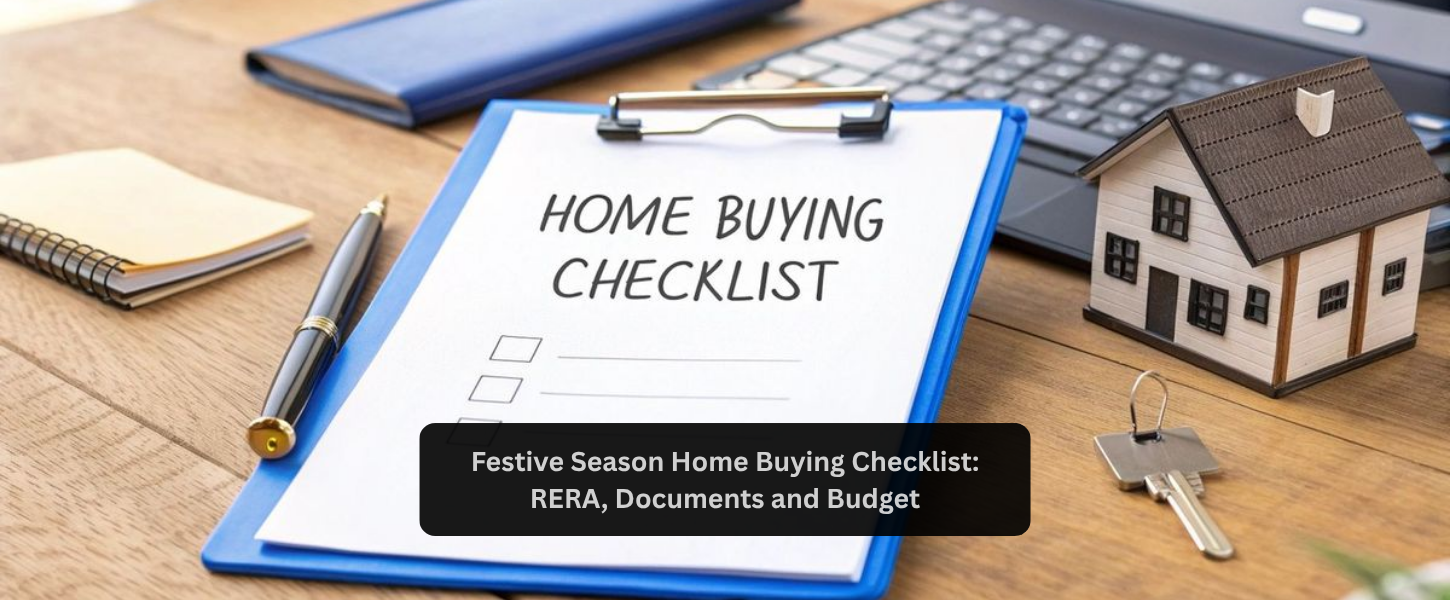

The festive season often inspires families to take the next big step towards homeownership. With new beginnings, family celebrations, and attractive property offers, it can feel like the perfect time to purchase a home. However, before finalising a property, buyers need to look beyond festive offers and attractive interiors to understand the legal, financial, and practical aspects of the purchase.
A practical home buying checklist should cover three essentials: verifying RERA registration, reviewing property documents, and calculating the complete cost of ownership. For buyers looking for a reliable home buying checklist India, these checks can help prevent unexpected expenses and reduce the risk of making a rushed decision.
Whether you are purchasing your first apartment or upgrading to a larger home, this festive season home buying checklist will help you evaluate your options carefully and make an informed decision.
Festive discounts, flexible payment plans, and limited-period offers can make a property seem particularly attractive. Yet, the right home is not necessarily the one with the biggest discount. It is the one that fits your financial capacity, lifestyle, and long-term plans.
Start your home buying checklist by understanding how much you can comfortably spend. Review your savings, existing financial commitments, monthly expenses, and potential home loan eligibility before shortlisting properties.
It is also important to distinguish between the advertised property price and the total amount you will need to pay. Stamp duty, registration fees, applicable taxes, legal charges, maintenance deposits, and interior expenses can increase the overall cost. These charges vary depending on the state, property type, and transaction.
A realistic budget gives you a clearer picture of what you can afford without putting unnecessary pressure on your finances.
One of the most important steps in a home buying checklist is checking the property’s regulatory status.
The Real Estate (Regulation and Development) Act, 2016, commonly known as RERA, was introduced to improve transparency and accountability in the real estate sector. For applicable projects, registration with the relevant state or union territory RERA authority is an important compliance requirement.
Before booking a property, visit the official RERA portal for the state where the project is located and verify the following details:
Remember that RERA registration alone does not guarantee that every aspect of a property is legally sound. Buyers should also verify ownership, approvals, and contractual terms before proceeding.
A property may look perfect during a site visit, but its documentation deserves equal attention. A thorough home buying checklist India buyers should include the legal records and agreements relevant to the type of property they intend to purchase.
For a new residential project, review the following documents, as applicable.
Title deed and ownership records: Verify that the developer or seller has the legal right to sell the property. Reviewing the ownership history may also be necessary.
Approved building plans: Confirm that the relevant authorities have approved the building plans and layout, as applicable.
Encumbrance certificate and loan records: Check for registered claims, mortgages, or other encumbrances affecting the property. Additional searches may be required depending on the transaction.
Agreement for Sale: Read the agreement carefully to understand the payment schedule, specifications, possession terms, cancellation provisions, and obligations of both parties.
Allotment letter and payment receipts: Keep copies of the allotment letter, booking confirmation, and receipts for every payment made.
For completed properties, check the applicable Completion Certificate and Occupancy Certificate. For resale purchases, the sale deed, previous ownership documents, property tax receipts, and relevant society records may also need verification.
The exact documents required will depend on whether you are purchasing an under-construction apartment, a completed home, or a resale property. Consider obtaining an independent legal review before signing or paying a substantial amount.
The property price is only one part of the homeownership equation. A practical home buying checklist should account for expenses that arise before, during, and after the purchase.
| Expense | What to Check |
| Down payment | Calculate the amount you must pay from your own funds. |
| Home loan | Review eligibility, interest rate, tenure, processing charges, and EMI affordability. |
| Stamp duty and registration | Confirm the applicable charges in the relevant state. |
| Taxes | Check whether GST or any other applicable tax is payable for the property. |
| Legal and documentation fees | Budget for legal advice, verification, and documentation. |
| Maintenance and deposits | Check advance maintenance, security deposits, and recurring charges. |
| Interiors and moving | Estimate furnishing, electrical work, appliances, and relocation costs. |
Before finalising your purchase, maintain a separate emergency reserve rather than committing all your savings to the property. Your home loan EMI should leave enough room for routine household expenses, insurance, healthcare, and other financial responsibilities.
The right home should work for your everyday life, not just your budget. As you progress through your home buying checklist, evaluate the location, neighbourhood, and residential environment alongside the property’s specifications.
Consider the distance to your workplace, access to public transport, schools, hospitals, shopping areas, and essential services. Visit the neighbourhood at different times of the day to understand traffic, noise levels, and general accessibility.
It is equally important to assess the community itself. Open spaces, recreational facilities, security arrangements, and well-maintained common areas can influence the experience of living in a residential development.
If you are purchasing a home for your family, think about how your requirements may change over the next five to ten years. A property that suits your current needs should also offer practical value as your circumstances evolve.
Festive promotions may include discounts, flexible payment schedules, waived charges, or additional benefits. However, the terms can differ between projects and offers.
Before accepting a deal, ask for the complete cost sheet in writing. Confirm which charges are included, which are payable separately, and whether the offer is subject to specific conditions. Compare the final payable amount across shortlisted properties rather than relying only on the headline discount.
Read the booking form and agreement carefully, paying attention to cancellation conditions, refund timelines, payment milestones, and possession commitments. Avoid making payments under pressure simply because an offer is described as available for a limited period.
A well-planned home buying checklist helps you slow down at precisely the moment when excitement makes a quick decision tempting.
Buying a home during the festive season can be a meaningful step towards long-term security and a new chapter for your family. The key is to balance the excitement of finding the right property with a clear understanding of its legal status, documentation, total cost, and everyday suitability.
Use your home-buying checklist to verify RERA details, review important documents, assess your overall budget, and compare the terms of every offer. Seek professional legal and financial advice wherever necessary, especially before making substantial payments or signing binding agreements.
A festive offer may create the initial excitement, but careful planning is what helps turn a property purchase into a well-considered homeownership decision.
A home-buying checklist for Indian buyers should include budget planning, RERA verification where applicable, title and ownership checks, approved plans, agreement review, stamp duty, registration charges, loan terms, and possession-related documents.
Visit the official RERA portal for the state or union territory where the property is located. Search using the project name or registration number and verify the developer details, project information, approvals, and declared possession timeline.
In addition to the property price, consider the down payment, stamp duty, registration fees, applicable taxes, legal charges, loan processing fees, maintenance deposits, interiors, and moving expenses.
The festive season can offer additional promotions and attractive payment plans, but the right time to buy depends on your budget, the property’s suitability, legal verification, and the terms of the offer. Compare the total cost before making a decision.