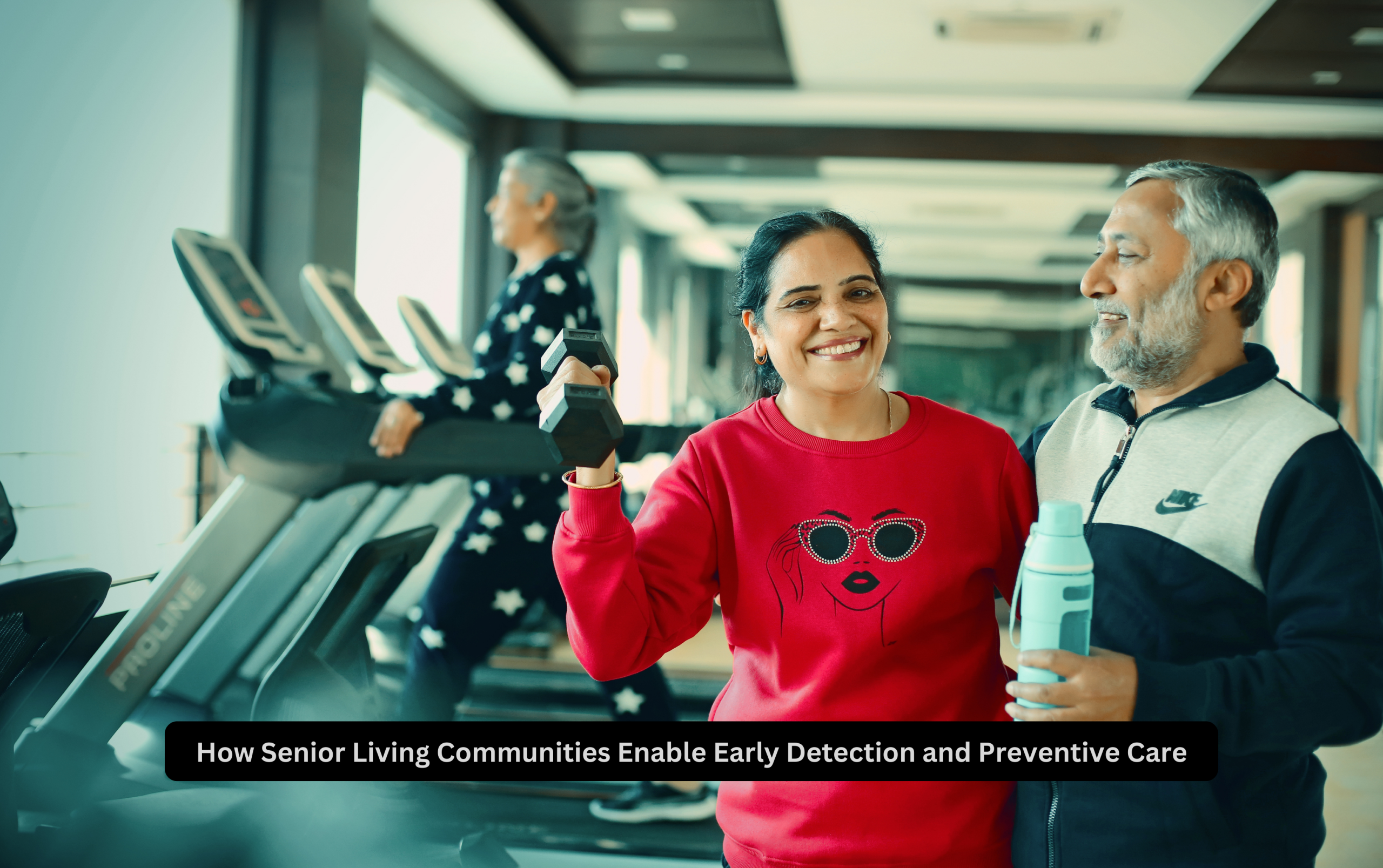
How Senior Living Communities Enable Early Detection and Preventive Care

What if healthcare didn’t begin in a hospital but started at home through daily routines, community support, and proactive wellness? As life expectancy continues to rise, the focus is shifting from simply adding years to life toward adding quality to those years. Senior living communities are redefining aging by creating environments where early detection and preventive care become seamless, accessible, and integrated into daily living.

Unlike conventional residential settings, where medical attention is often sought only during illness or emergencies, senior living communities are designed to promote ongoing health awareness. By creating environments that combine medical support, community engagement, and lifestyle management, these communities are redefining how aging individuals approach long-term health.

The Importance of Early Detection in Senior Health


Aging naturally increases the risk of chronic health conditions such as cardiovascular disease, diabetes, osteoporosis, and cognitive decline. In many cases, these conditions develop gradually and remain undetected until symptoms become severe. Early detection plays a critical role in managing these health risks, allowing timely intervention that can slow disease progression and reduce complications.

Senior living communities establish structured systems that encourage routine health monitoring and regular medical evaluations. Residents often benefit from periodic screenings, vital health assessments, and wellness checkups that help identify potential health concerns at an early stage. This proactive approach not only supports longevity but also helps seniors maintain independence and a higher quality of life by minimizing hospitalizations and medical emergencies.

Integrated Healthcare Infrastructure


One of the defining strengths of senior living communities is their ability to integrate healthcare services within the residential environment. Many communities provide on-site medical support, access to visiting healthcare professionals, and established partnerships with hospitals and diagnostic centers. This accessibility ensures that seniors receive timely medical attention without the logistical challenges often associated with traveling to external healthcare facilities.

Immediate access to healthcare professionals encourages residents to address minor symptoms or health concerns promptly. Early consultations reduce the likelihood of complications and support consistent health management. Additionally, emergency response systems and 24/7 assistance provide reassurance to both residents and their families, strengthening the overall safety network.

Routine Health Monitoring and Preventive Screenings


Preventive care depends on consistency, and senior living communities help make that consistency achievable. Regular monitoring of key health indicators such as blood pressure, blood sugar levels, heart health, and mobility assessments is often incorporated into community wellness programs. Routine screenings may also include bone density tests, vision and hearing evaluations, and mental health assessments, providing a comprehensive understanding of residents’ health status.

By integrating these screenings into everyday community living, seniors are more likely to participate in preventive healthcare without viewing it as inconvenient or burdensome. Structured wellness calendars, educational workshops, and health awareness programs further encourage residents to stay actively involved in managing their health.

Promoting Active Lifestyles and Physical Wellness


Preventive care extends beyond medical screenings to include lifestyle management. Senior living communities are intentionally designed to encourage physical activity through fitness programs, yoga classes, walking trails, and recreational sports. Regular physical activity plays a vital role in maintaining cardiovascular health, improving mobility, and reducing the risk of chronic illnesses.

Professionally guided fitness routines tailored to age-specific needs ensure that seniors engage in safe and effective exercise. These programs not only support physical health but also contribute to improved mental well-being, reduced stress, and enhanced emotional resilience.

Supporting Mental and Emotional Well-Being


Preventive healthcare is incomplete without addressing mental and emotional health. Loneliness, social isolation, and cognitive decline are common challenges among older adults, particularly those living alone. Senior living communities foster social interaction through group activities, cultural events, hobby clubs, and lifelong learning opportunities, helping residents remain socially engaged and intellectually stimulated.

Regular engagement significantly reduces the risk of depression and cognitive decline. Many communities also offer mental wellness initiatives such as memory enhancement programs, mindfulness sessions, and access to counseling services. Early identification of cognitive or emotional health concerns allows for timely intervention and more effective care planning.

Encouraging Nutritional Awareness and Lifestyle Management


Nutrition plays a fundamental role in preventive healthcare for seniors. Balanced diets help manage chronic conditions, support immune health, and improve overall vitality. Senior living communities often provide access to professionally planned meal options tailored to specific dietary requirements, such as diabetes-friendly meals, heart-healthy menus, and customized nutrition plans.

Beyond meal preparation, residents frequently benefit from nutritional counseling and wellness workshops that promote healthy eating habits. This integrated approach helps ensure that dietary management becomes a consistent and sustainable part of daily life.

Strengthening Health Awareness Through Community Engagement


One of the most significant advantages of senior living communities is the culture of shared health awareness. Wellness initiatives such as health fairs, expert-led seminars, and disease awareness programs empower residents with valuable knowledge about preventive care. When individuals observe peers actively participating in wellness programs, they are more likely to adopt similar health-conscious behaviors.

This community-driven health awareness creates a supportive environment where seniors feel encouraged to prioritize their well-being. Collective participation enhances adherence to preventive healthcare practices and promotes long-term lifestyle improvements.

Reducing the Burden of Emergency Healthcare


Preventive care within senior living communities can significantly reduce dependence on emergency healthcare services. Early detection of health concerns allows for timely medical intervention, reducing the severity of illnesses and lowering the likelihood of hospitalization. Consistent monitoring also helps manage chronic conditions more effectively, improving long-term health outcomes and potentially reducing healthcare costs.

For families, this structured approach offers peace of mind, knowing their loved ones live in environments designed to prioritize safety, wellness, and professional support.

Shaping the Future of Senior Healthcare


Senior living communities represent a progressive model that aligns healthcare with daily living. By combining medical support, wellness programming, social engagement, and lifestyle management, these communities create a comprehensive preventive care ecosystem. As awareness grows and healthcare priorities continue to evolve, senior living is expected to play an increasingly important role in shaping healthier aging experiences.

In a healthcare landscape that has traditionally focused on treatment rather than prevention, senior living communities introduce a forward-looking approach that emphasizes early detection, sustained wellness, and dignified aging. By enabling seniors to take control of their health within supportive and thoughtfully designed environments, these communities are redefining the future of senior healthcare.

Don't forget to share this valuable article with others

What is preventive healthcare in senior living communities?

Preventive healthcare focuses on regular health monitoring, screenings, and lifestyle programs that help identify and manage health risks before they develop into serious medical conditions.

They offer routine health checkups, diagnostic screenings, access to medical professionals, and wellness programs that help identify potential health concerns at early stages.

Yes, most senior living communities offer emergency response systems, 24/7 support services, and partnerships with nearby hospitals to ensure prompt medical care.

Fitness classes, wellness activities, balanced nutrition plans, and mental health programs help reduce the risk of chronic illnesses and support overall well-being.

Preventive healthcare services are typically optional but strongly encouraged, allowing residents to participate based on their individual health needs and preferences.

About The Author

Ashiana, Ashiana Housing build homes. Homes surrounded by vast green spaces and fresh breeze. Homes cocooned in secured gated complexes. Homes where futures are forged and there are opportunities to grow. And Homes in environments brimming with healthy activity, trust and respect. At heart, we build communities with care.

Other posts by

Free

Subscribe Now to our blog. Stay up to date with the latest real estate market, investment option, updates on senior living & kid centric world & Just enter your email address to subscribe

Join 1000+ of fellow readers. Get expert real estate knowledge straight to your inbox absolutely free. Just enter your email address below.

Get our blogs straight in your inbox,
know real estate better:
en_USEnglish
en_USEnglish

wait your request is under process

Site Visit

wait your request is under process