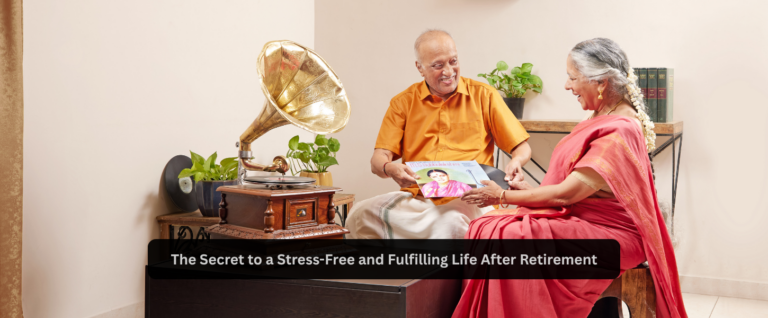
The Secret to a Stress-Free and Fulfilling Life After Retirement
Retirement is often described as the reward for decades of hard work. Yet for many people, the transition...
Read More

Stress is not an unknown concept in our modern lives. While younger individuals may bounce back from its effects quickly, older adults often face more serious health consequences. One of the most significant yet silent consequences is high blood pressure, also known as hypertension. For seniors, stress-induced hypertension can increase several health-related risks and other life-altering complications.
Let’s understand why blood pressure (BP) and stress are so closely linked, especially in the later stages of life, and practical solutions to manage both.
When you experience stress, your body goes into a “fight or flight” mode. Hormones like adrenaline and cortisol are released, causing your heart to beat faster and your blood vessels to tighten. This naturally elevates blood pressure.
Now, in the short term, this response might turn out to be helpful. It enables your body to react to threats. However, when stress becomes a part of your daily life, this temporary pressure becomes a constant load on your heart and blood vessels.
With age, arteries begin to stiffen, making it harder for blood to flow smoothly. When stress is added to the mix, elevated hormone levels cause even more resistance in blood flow. The following are a few consequences of prolonged exposure to cortisol:
All these effects play a role in gradually raising blood pressure over time.
The risk of elevated pressure increases with age, and stress-induced blood pressure changes are usually silent. That said, some seniors may experience:
If these symptoms appear frequently, it’s time to consult a doctor and get your blood pressure checked regularly. Also, when keeping track of the blood pressure levels by self, here’s an average BP level chart based on age and gender that you can refer to:
| Gender | Age Group | Average Systolic (mmHg) | Average Diastolic (mmHg) |
| Male | 56–60 years | 129.5 | 79.5 |
| Male | 61–65 years | 143.5 | 76.5 |
| Female | 56–60 years | 132.5 | 78.5 |
| Female | 61–65 years | 130.5 | 77.5 |
The following strategies have proven helpful in controlling stress and improving blood pressure:
Light exercises like walking, chair yoga, or tai chi reduce cortisol levels. Several senior living communities have taken the initiative to provide residents with safe, scenic walking tracks and age-appropriate fitness facilities.
A heart-healthy diet lowers stress and supports vascular health. Include:
Isolation and loneliness can lead to prolonged stress. Senior living communities offer shared activities such as music sessions, book clubs, and morning walks. These reduce emotional strain and promote mental peace.
Breathing exercises, meditation, and mindfulness reduce heart rate and blood pressure naturally. Daily five-minute meditation sessions can make a measurable difference.
Poor sleep increases both cortisol and blood pressure. Aim for seven hours of sleep nightly. Maintain a fixed sleep schedule, reduce screen time before bed, and avoid caffeine in the evening.
According to recent findings by the ICMR- National Centre of Disease Informatics And Research (ICMR-NCDIR), 30% of Indians aged 18 to 54 have never checked their BP vitals even once. Missing this simple step is the root cause of developing hypertension-related blood pressure issues in life later.
Stress often pushes people toward unhealthy coping mechanisms. Emotional eating, alcohol, smoking, and skipping medical appointments all add to blood pressure risks. Nevertheless, regular monitoring can help overcome this battle.
Ref: https://timesofindia.indiatimes.com/life-style/health-fitness/health-news/4-out-of-10-people-suffering-from-high-blood-pressure-failed-to-monitor-their-blood-pressure-levels/articleshow/109214469.cms
Our communities are thoughtfully designed to support senior health. Open green spaces, nutritionist-led meals, and wellness-focused programs ensure a routine that nourishes both body and mind.
Features that reduce stress include:
These offerings reduce daily anxiety triggers, which in turn lowers the burden on the heart. At Ashiana, structured routines, diet planning, and on-site wellness support encourage healthier choices even during stressful times. Early intervention is possible by regularly checking your numbers and sharing them with a healthcare professional.
Chronic stress does not have to become a lifelong companion. Especially as we age, peace of mind and physical well-being are more closely connected than ever before. Understanding how stress affects blood pressure can help you regain control of your health journey.
At Ashiana Senior Living, we focus on creating an environment where every senior has the tools to manage stress, stay active, and feel emotionally supported. Our spaces are not just homes, but wellness-driven communities where residents thrive. Because ageing should not mean slowing down, it should mean living better.