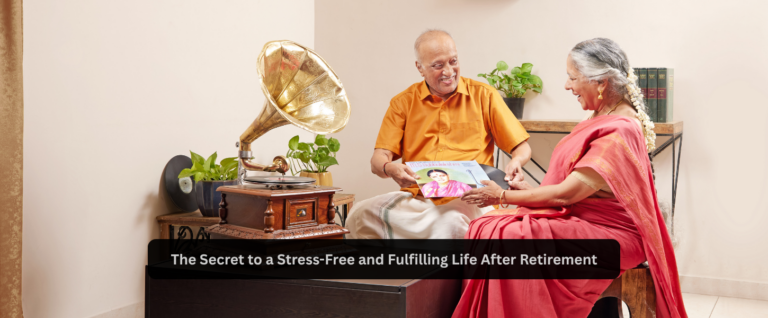
The Secret to a Stress-Free and Fulfilling Life After Retirement
Retirement is often described as the reward for decades of hard work. Yet for many people, the transition...
Read More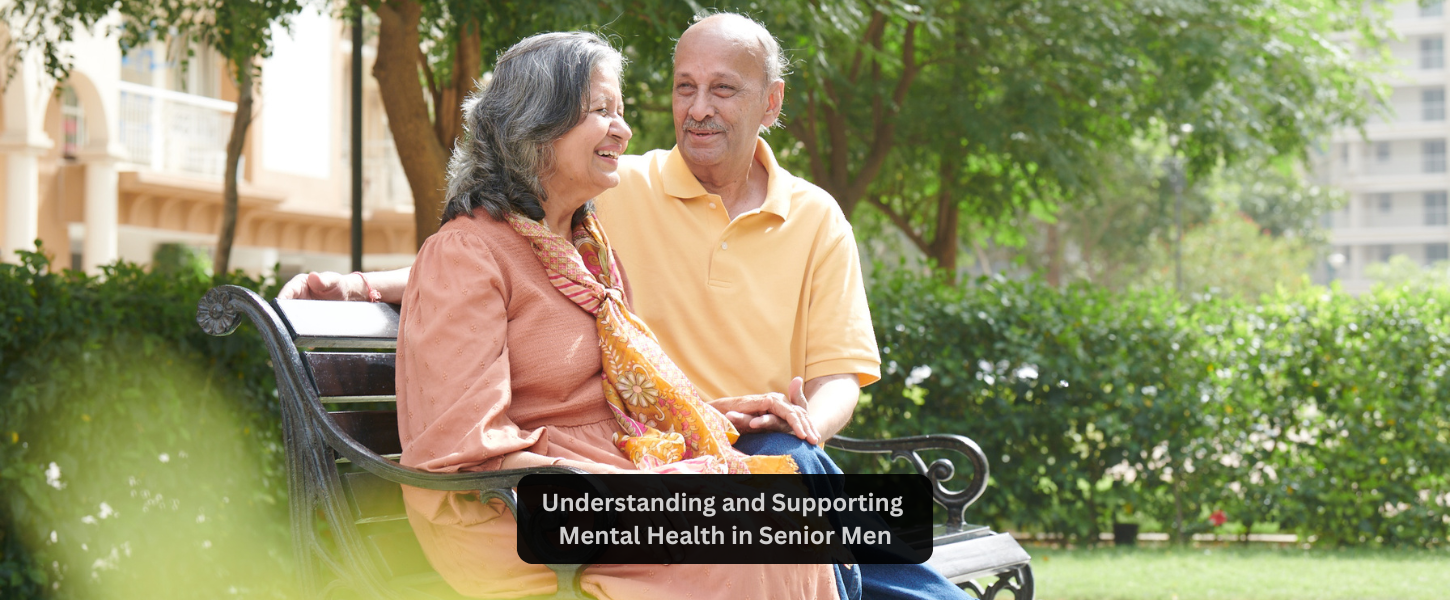

Mental health has become a focal point of healthcare conversations in recent decades, but often, the mental well-being of senior men remains under-discussed. As men age, they undergo significant changes, physically, socially, and emotionally. Retirement, loss of loved ones, physical health challenges, and reduced social interaction can all contribute to mental health concerns.
Understanding the unique factors that affect mental health in older men is essential to providing appropriate support and creating environments where they can thrive emotionally and psychologically.
Older men are statistically less likely to seek help for mental health issues compared to women. Cultural conditioning and generational beliefs often associate masculinity with emotional restraint. Many senior men have been raised to view emotional expression as weakness, leading them to suppress feelings such as sadness, loneliness, or anxiety.
This emotional suppression can result in reported cases of depression and anxiety. According to the World Health Organization, depression in the elderly is a significant public health concern, yet it is often misdiagnosed or untreated in men due to stigma, lack of awareness, and sometimes even misinterpretation of symptoms as mere aging.
Several mental health challenges disproportionately impact senior men. Understanding them is the first step toward effective support:
Often presenting as irritability, fatigue, or withdrawal rather than sadness, depression can easily go unrecognized. Retirement, reduced physical mobility, and chronic illnesses can exacerbate feelings of worthlessness or isolation.
Fears around health, finances, or dependency can fuel chronic anxiety. Unlike in younger adults, senior men may describe their anxiety through physical symptoms—tightness in the chest, digestive issues, or sleep disturbances.
Conditions like Alzheimer’s and other forms of dementia bring not just memory loss but also emotional disorientation and mood changes. This can trigger anxiety, aggression, or withdrawal.
Bereavement from losing a spouse, close friends, or siblings often weighs heavily on elderly men. Without a strong emotional support system, they may internalize their grief and develop chronic mental health issues.
Social isolation is a critical factor contributing to mental health deterioration in older men. With children moving away, friends passing, and retirement eliminating daily social routines, many senior men find themselves disconnected from meaningful interaction.
This isolation can create a cycle: loneliness leads to depression, which further discourages social activity. Studies have shown that socially engaged seniors live longer, healthier lives with better mental health.
Family members, caregivers, and communities play a pivotal role in improving the mental well-being of elderly men. The following strategies can make a meaningful difference:
Create a safe space for dialogue. Encourage them to talk about their feelings without fear of judgment. Gentle, consistent check-ins often work better than one-time deep conversations.
Helping them establish a daily routine that includes physical activity, hobbies, and social engagement can provide a sense of purpose and control. Volunteering, mentoring, or creative pursuits like writing or painting can reignite a sense of meaning.
Normalize therapy and counseling. When resistance is high, start with general wellness visits or incorporate group therapy, which may feel more approachable. Involving professionals trained in geriatric mental health ensures tailored support.
Mental health and physical health are deeply interlinked. Regular exercise, balanced nutrition, and chronic illness management can prevent or alleviate depression and anxiety.
Introduce them to digital tools to stay in touch with loved ones or join virtual communities. Video calls, online classes, and social media (when used wisely) can combat isolation and stimulate cognitive engagement.
The environment matters deeply to mental well-being. Senior living communities that prioritize holistic health, social connection, physical activity, intellectual stimulation, and emotional support can transform lives.
Ashiana Senior Living is one such community that exemplifies this approach. Designed specifically for seniors, Ashiana enables and promotes a vibrant lifestyle where elderly men (and women) can connect, engage, and live with dignity and joy. With wellness programs, on-site healthcare support, and a built-in social ecosystem, Ashiana provides a setting where mental health is nurtured as much as physical health.
By way of a quiet routine or reserved expression, there may be untold stories of struggle and endurance. By recognizing the signs, addressing the stigma, and creating supportive environments, we can help senior men lead fulfilling and emotionally healthy lives.