How Navratri and Dussehra Are Celebrated in a Gated Community
Few things lift the mood of a neighbourhood like the nine nights of Navratri. The beat of the...
Read More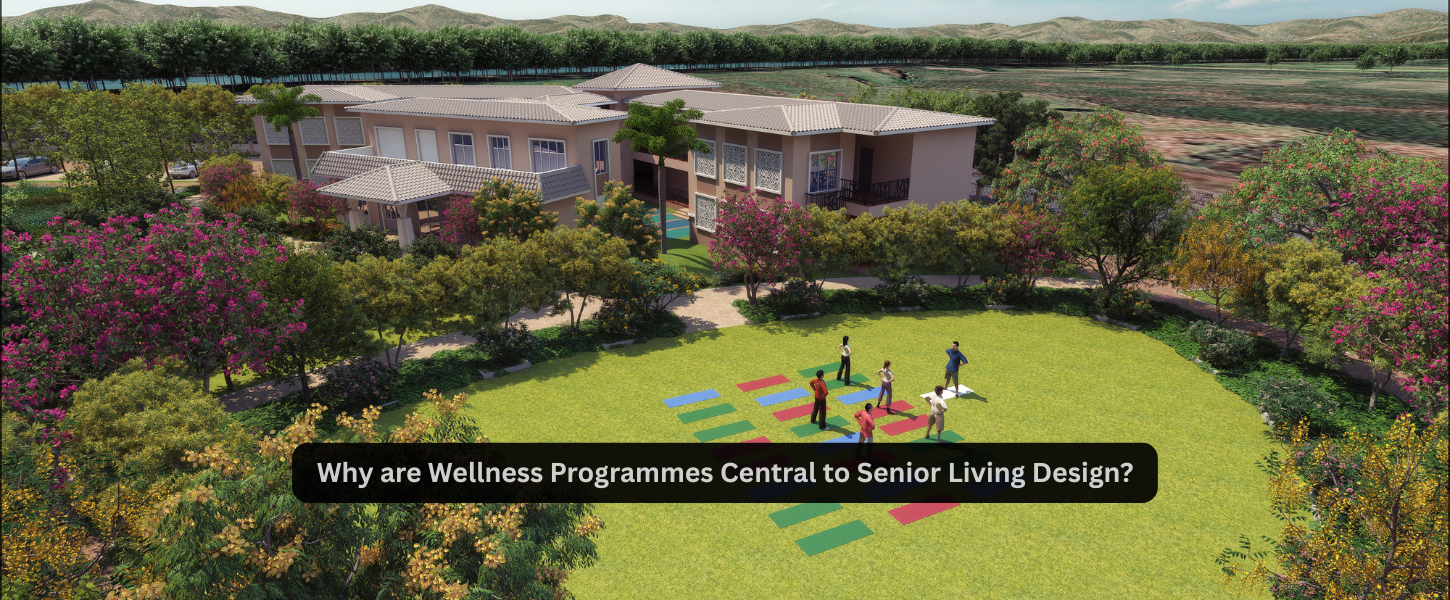

Aging well is no longer defined only by the absence of illness. Today, seniors aspire to live with energy, emotional balance, and a sense of purpose. This shift in expectations has changed how senior living spaces are designed. Wellness programmes are no longer add-ons. They sit at the heart of thoughtful senior living design.
Wellness-focused environments recognise that physical health, mental clarity, emotional comfort, and social engagement are deeply connected. When these elements are supported together, seniors experience a better quality of life over the long term.
In this blog, let us understand how future-ready senior living designs are promoting the idea of overall wellness among seniors.
Independence is closely linked to how capable seniors feel in their daily lives, and wellness works best when it respects individuality. Seniors have different interests, energy levels, and preferences. Wellness programmes help maintain this capability by supporting strength, confidence, and emotional health.
Here’s an overview of how wellness becomes a tool for seniors that protects their independence rather than replacing it:
Traditional approaches to senior care often focused heavily on medical needs. While healthcare remains important, it is only one part of aging well. Wellness programmes aim to support everyday well-being through movement, routine, mental stimulation, and emotional reassurance.
These programmes help seniors stay active and engaged rather than reacting only when health issues arise. By embedding wellness into daily life, senior living spaces encourage prevention rather than dependency.
One of the most visible benefits of wellness programmes is their impact on physical health. As people age, maintaining strength, balance, and flexibility becomes essential for independent living.
Regular movement through walking areas, guided exercises, and gentle fitness activities helps reduce stiffness and supports mobility. These activities are designed to suit varying energy levels and physical abilities.
When physical activity is part of daily life, seniors are better equipped to manage routines with confidence for longer.
Mental health plays a significant role in how seniors experience ageing. Feelings of boredom, anxiety, or loss of purpose can affect overall well-being even when physical health is stable. Wellness programmes that include cognitive activities, creative pursuits, and learning opportunities help keep the mind engaged.
For instance, gardening is one of the proven activities that enhances cognition, supports memory, focus, and emotional resilience. A balanced mindset helps seniors adapt to life changes and maintain a positive outlook.
Ref: https://www.researchgate.net/publication/392033067_GARDENING_FOR_THE_MIND_EXPLORING_THE_MENTAL_HEALTH_BENEFITS_OF_HORTICULTURAL_THERAPY
Aging can bring unexpected changes, from retirement adjustments to shifts in family dynamics. Emotional balance becomes easier when daily life has structure without feeling rigid. Wellness programmes introduce gentle routines that provide predictability and comfort.
Knowing that activities, shared moments, and quiet spaces are available creates a sense of stability. This balance helps seniors feel grounded while still enjoying flexibility in how they spend their day.
Human connection is an essential part of emotional wellness. However, seniors value choice in how they interact with others. Wellness-oriented senior living design includes shared spaces and group activities that encourage natural interaction.
Participation is always optional, allowing individuals to engage at their own pace. This approach supports connection without forcing involvement, which is essential for long-term emotional comfort.
Wellness programmes are most effective when the physical environment supports them. Design plays a crucial role in encouraging movement, relaxation, and engagement. Open walkways, natural light, green spaces, and calm interiors create an atmosphere that promotes well-being.
When seniors feel comfortable moving around and spending time outside their living spaces, wellness becomes part of everyday life. Design that reduces physical effort also supports emotional ease and confidence.
Preventive care is an important outcome of wellness-focused design. Regular activity, balanced routines, and stress reduction help reduce the risk of sudden health issues. It is not always necessary to implement specific wellness programmes to encourage healthy habits that support long-term health.
Including features like accupressure walk pathways in senior living design makes a healthy walk even healthier. Apart from that, easy access to medical support further strengthens this preventive approach. This combination helps seniors feel secure while living fully.
As expectations around senior living residencies evolve, wellness programmes are becoming central to their design rather than optional features. At Ashiana Housing Limited, our projects are designed with a strong focus on everyday wellness. They support movement, relaxation, and engagement through thoughtfully planned spaces and activities.
Our projects are designed to nurture physical strength, mental clarity, emotional balance, and social connection. Such wellness-focused environments enables seniors live with confidence and dignity. When wellness is woven into daily life through thoughtful design and flexible routines, independence is preserved rather than compromised.
Book a visit for Advik to get a first-hand look at how senior living spaces create the foundation for a healthier, more fulfilling later life.