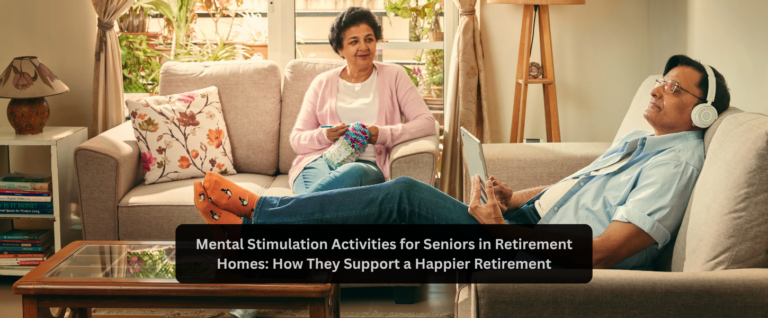
Mental Stimulation Activities for Seniors in Retirement Homes: How They Support a Happier Retirement
Retirement can bring something often difficult to find during working years: time. Time to pursue interests, meet people,...
Read More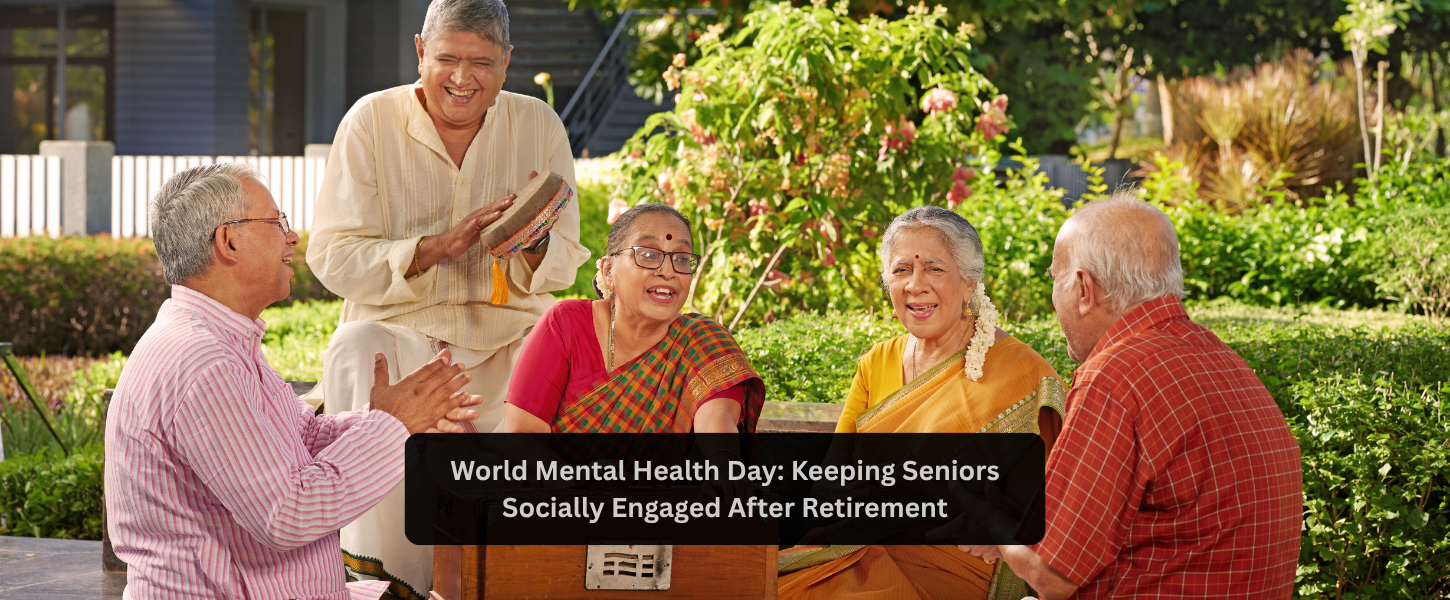

Retirement can open the door to a slower, more flexible lifestyle, but it can also bring significant changes to a person’s daily routine. The workplace may no longer provide regular social interaction, children may have their own busy lives, and familiar responsibilities may gradually change. For many senior citizens, maintaining meaningful social connections becomes an important part of enjoying a fulfilling retirement.
This makes World Mental Health Day an important opportunity to look beyond physical well-being and recognise the role that companionship, purpose, hobbies, and community can play in healthy ageing.
Celebrated every year on October 10, World Mental Health Day encourages greater awareness of mental health and the importance of creating supportive environments. For older adults, social engagement can be one of many ways to maintain a sense of connection and purpose during retirement.
For many people, work provides more than an income. It creates a daily routine, opportunities to meet people, conversations, responsibilities, and a sense of purpose. Retirement changes this structure almost overnight.
Without meaningful social interaction, some senior citizens may gradually spend more time alone. This does not mean that every older adult will experience loneliness, but it highlights the importance of maintaining opportunities for connection.
Regular conversations with friends, participation in hobbies, family interactions, community activities, and social outings can help make retirement more engaging.
Social engagement does not have to involve large gatherings. A morning walk with a neighbour, an evening conversation with friends, a weekly family meal, or a regular hobby group can provide meaningful interaction.
Families can encourage senior citizens to maintain existing friendships while also creating opportunities to meet new people.
The key is consistency. Small interactions that happen regularly can become an important part of a senior’s routine.
Retirement can provide the time to return to interests that may have been set aside during working years.
Reading, gardening, music, painting, cooking, photography, yoga, board games, or learning a new skill can provide both enjoyment and opportunities for social interaction.
Hobby groups are particularly useful because they bring people together around a shared interest. A book club can spark conversations, a gardening group can foster collaboration, and a music activity can create opportunities for performance and participation.
Physical activity and social engagement can complement each other. Walking groups, yoga sessions, light exercise classes, swimming, or recreational games can encourage older adults to stay active while spending time with others.
The objective does not have to be intense exercise. Activities should be appropriate to an individual’s abilities and health requirements.
Senior communities and senior citizen homes can support this by providing accessible spaces where residents can participate in activities comfortably.
A shared activity can also make exercise feel less like a routine task and more like an enjoyable social experience.
Retirement does not mean that a person’s experience and abilities are no longer valuable.
Many older adults enjoy mentoring younger people, helping with community activities, teaching a hobby, supporting charitable initiatives, or participating in neighbourhood events.
Having responsibilities can create a sense of purpose and allow seniors to continue contributing to the people around them.
The environment in which someone lives can influence how easily they can maintain social connections.
Traditional housing may provide a comfortable private space, but it may not always create regular opportunities to meet people. In contrast, thoughtfully designed retirement homes can bring people together through shared spaces, activities, celebrations, interest groups, and community events.
This does not mean that every senior wants a highly social lifestyle. Good senior living should provide choice: residents should be able to enjoy privacy while having opportunities to participate whenever they wish.
This balance can be particularly important when considering elder-friendly homes, where accessibility and independence are combined with opportunities for social interaction.
Festivals, birthdays, cultural programmes, and community celebrations can bring structure and excitement to retirement.
Decorating shared spaces, preparing traditional food, organising music programmes, or simply gathering for a meal can create opportunities for residents to interact and build friendships.
For families considering senior citizen homes, it can be useful to understand how a community approaches these everyday social experiences. A meaningful senior-living environment should support more than accommodation; it should create opportunities for residents to remain connected to the activities and traditions they enjoy.
The concept of senior living is changing. Modern senior living homes increasingly focus on creating environments where older adults can maintain independence while having access to social, recreational, wellness, and community activities.
Well-planned retirement homes can provide shared spaces, activity areas, gardens, walking paths, dining spaces, and community programmes that make social interaction easier. These features can be particularly valuable for seniors who want to remain active and connected while enjoying the freedom of independent living.
In Chennai, this shift can be seen in the growing presence of specialised senior living communities. Ashiana Housing, for example, has developed senior living projects including Swarang in ECR and Ashiana Vatsalya in Mahindra World City. These communities reflect the broader move towards senior residences that place greater emphasis on active ageing, social interaction, wellness, and a supportive community environment.
World Mental Health Day is a useful reminder, but supporting senior mental well-being should not be limited to one day.
Families can make a difference through simple, consistent actions:
These small actions can help older adults feel valued and connected.
World Mental Health Day reminds us that mental well-being is influenced by many aspects of everyday life. For seniors, having people to talk to, activities to look forward to, and opportunities to contribute can make retirement more meaningful.
The goal is not to keep senior citizens constantly occupied. It is to give them the freedom and opportunity to choose how they want to spend their time, whom they want to connect with, and which interests they want to pursue.
Whether someone lives with family, independently, or within senior citizen homes, social connection can remain an important part of a fulfilling later life.
As families explore senior living homes, retirement homes, or elder-friendly homes, they can look beyond physical facilities and consider the quality of community life as well.
Social engagement can give senior citizens opportunities for companionship, meaningful conversations, hobbies and shared activities. Maintaining regular social connections can help make retirement more active and fulfilling while reducing the risk of prolonged social isolation.
Seniors can participate in activities such as walking groups, gardening, book clubs, music, yoga, games, cultural events, volunteering, community gatherings and intergenerational activities. The most suitable activities depend on individual interests and abilities.
Well-planned senior living homes can provide shared spaces, hobby groups, recreational activities, celebrations and community programmes that make social interaction more accessible. Residents can participate at their own pace while also maintaining their privacy and independence.
When evaluating elder-friendly homes, families can consider accessibility, healthcare support, safety, recreational facilities, social opportunities, community activities and the overall environment. A supportive setting should promote both independence and meaningful social interaction.
Families can stay connected through regular visits and calls, encourage hobbies, plan activities together, involve seniors in family decisions and help them maintain friendships. These simple actions can help senior citizens feel valued and connected throughout retirement.