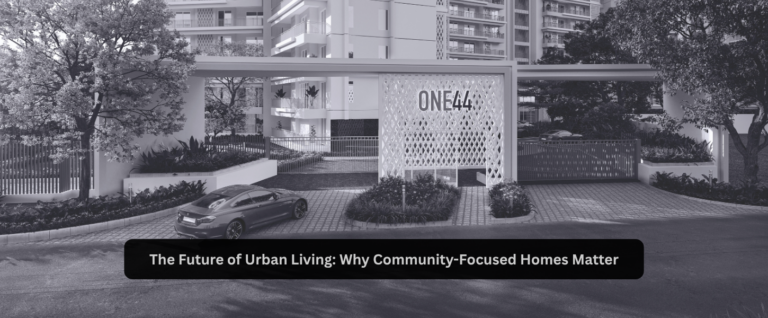
The Future of Urban Living: Why Community-Focused Homes Matter
Square footage, location, and specifications remain important considerations when choosing a home. But increasingly, the decision doesn’t end...
Read More

For decades, senior living has been framed around a single idea: care. Care suggests support, protection, and assistance. These are important. But they are not the beginning of the story. They are the safety net, not the foundation.
The true foundation of purpose-driven senior living is choice.
Choice represents autonomy. It reflects identity. It preserves the deeply human need to shape one’s own days, relationships, and future. When older adults move into senior living environments defined first by choice, care becomes more meaningful because it supports a life that is already rich with intention.
This shift from care-first to choice-first is redefining what it means to age well.
Choice is not a luxury but a psychological necessity. Research in aging and behavioral science consistently shows that autonomy is directly linked to emotional well-being, cognitive health, and longevity. When people retain the ability to make decisions about how they live, they maintain a stronger sense of self.
Without choice, life can begin to feel managed rather than lived.
Simple decisions matter more than they appear. Choosing when to wake up. Choosing whether to join a group activity or spend time alone. Choosing what to eat, who to spend time with, and how to structure the day.
These decisions reinforce independence. They tell the individual, consciously and subconsciously, that their life remains their own. Purpose grows in that space.
Traditional models of senior care often evolved from medical systems. They focused on safety, efficiency, and risk reduction. While these priorities are understandable, they sometimes create environments that feel structured around limitations rather than possibilities.
Purpose-driven senior living begins with a different question. Not what does this person need help with, but what kind of life does this person want to live?
This question changes everything. It influences architecture, programming, culture, and relationships. It transforms senior living from a place of dependency into a place of continuation. Because aging does not erase individuality. It deepens it.
Identity is built over decades. It is shaped by careers, passions, habits, and relationships. When older adults lose the ability to express those parts of themselves, they can feel invisible. Choice protects identity. A former teacher may choose to mentor others. A lifelong gardener may choose to spend mornings nurturing plants. A social personality may choose to organize gatherings. A private person may choose solitude without pressure.
These choices are not activities. They are expressions of self. Purpose does not arrive suddenly in later life. It continues from what has always mattered. Senior living environments that honor choice recognize this continuity. They do not try to redefine the individual. They provide space for the individual to continue being themselves.
One of the most overlooked risks of aging is not physical decline but emotional isolation. Isolation often begins subtly. Social circles shrink. Mobility changes. Familiar routines disappear. Choice helps counter this. When individuals choose how they engage with their environment, relationships form naturally. Interactions feel authentic rather than programmed.
A shared walk becomes a friendship. A casual conversation becomes a support system. These connections are powerful. They create belonging. Belonging creates purpose. Purpose has measurable effects on mental health, reducing anxiety, depression, and cognitive decline.
Care is essential. But its role changes in a choice-centred environment. Care becomes an enabler, not a controller. Instead of directing life, it supports life. Instead of replacing independence, it protects it.
For example, wellness programs exist so individuals can continue doing what they love. Safety features exist so individuals can move confidently. Support services exist so individuals can focus on living rather than managing daily burdens.
Care removes obstacles and choice defines direction. This distinction is profound. It preserves dignity.
Physical environment shapes behavior more than people realize. Spaces that feel clinical encourage passivity. Spaces that feel like home encourage participation. Purpose-driven senior living environments are designed intentionally to support choice. Open spaces invite movement. Comfortable gathering areas encourage conversation. Quiet corners allow reflection. Accessible outdoor areas support freedom.
Even small details matter. Natural light improves mood. Walkable layouts increase independence. Flexible spaces allow individuals to use them in ways that feel natural. The environment becomes a silent partner in preserving autonomy.
One of the fears many older adults face is losing control over their lives. Ironically, choosing senior living early can protect that control. When the decision is proactive rather than reactive, it comes from strength rather than necessity.
Individuals arrive ready to live, not just to receive care. They build routines, friendships, and purpose before support becomes critical. This creates emotional resilience. It also creates continuity. Life does not feel interrupted. It feels extended.
Choice-driven senior living not only benefits residents. It transforms the experience for families. Families often carry silent worries about safety, health, and isolation.
When their loved ones live in environments designed around autonomy and well-being, those worries ease. Relationships improve. Time together becomes more meaningful because it is no longer defined by caregiving responsibilities.
It returns to its natural form, including connection, conversation, and presence.
There is a common misconception that senior living must help people find purpose. In reality, purpose is already there. It exists in who people have always been. The role of thoughtful senior living is to protect it, remove barriers, create opportunities, and preserve choice.
At Ashiana Senior Living, we believe purpose begins long before care is needed. We see our role as creating environments where individuals continue to make their own decisions, shape their own routines, and define their own lives, with care present as reassurance rather than restriction.
Aging is often framed as a period of loss. But it can also be a period of clarity. Freed from earlier responsibilities, many older adults rediscover interests, relationships, and priorities that bring deep fulfillment. Choice makes this rediscovery possible. It allows aging to feel like a continuation of life’s story, not the final chapter.
Purpose-driven senior living recognizes this truth. It does not focus on what has changed. It focuses on what remains possible. Because the desire to choose never fades. And where choice exists, purpose follows.