
Chennai’s GCC Expansion and Its Potential Impact on Real Estate Market
Chennai has long been recognised for its strong manufacturing, automobile, IT, healthcare, financial services, and engineering sectors. In...
Read More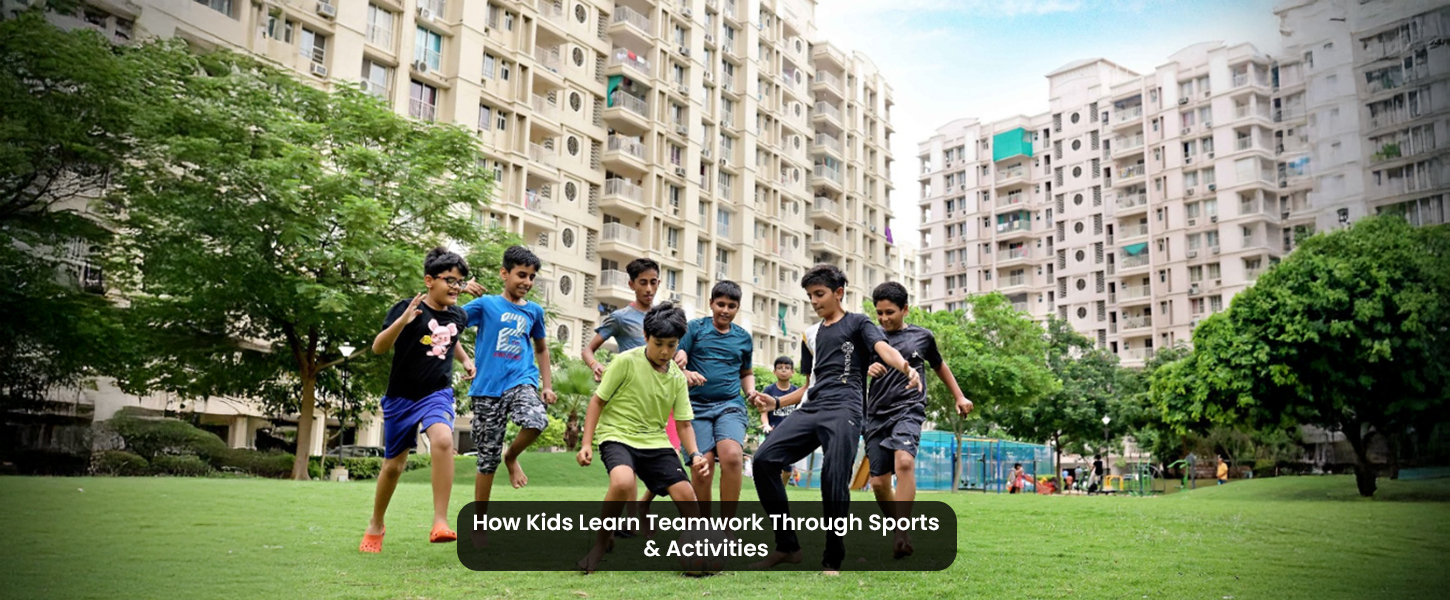

Teamwork is one of the most important life skills a child can develop, and what better way to learn it than sports and group activities? Whether playing soccer, dancing in a group performance, or working on a school project, kids experience the power of collaboration, communication, and mutual support. These experiences not only help them succeed in their activities but also shape their social and emotional development.
Children are naturally curious and full of energy, which makes sports and activities the perfect environment for learning teamwork. By working with their peers towards a common goal, kids understand the importance of helping one another, listening to different ideas, and making collective decisions.
In today’s world, where individual success is often highlighted, teamwork teaches children that achievements are greater when shared. It instills values of respect, patience, and trust—helping them become better friends, students, and future professionals.
Sports, by nature, require coordination and cooperation. Here’s how different sports instill teamwork in kids:
Clear communication is key in any team sport. Whether it’s calling for a pass in basketball or discussing a strategy in soccer, children learn to express themselves and listen to others. This skill extends beyond the field, helping them articulate their thoughts effectively in school and social settings.
Every player has a specific role in a team sport. A goalkeeper in soccer, a point guard in basketball, or a defender in hockey—each position is crucial for the team’s success. Through this, kids learn that everyone’s contribution matters and no single role is superior to another.
Sports often bring unexpected challenges, from dealing with an opponent’s strong defense to making a quick decision in the final seconds of a game. These moments teach kids how to think on their feet, make decisions as a team, and adapt to changing situations—skills that will benefit them throughout life.
Also read: 10 Brain Gym Exercises for Kids – Enhance Cognitive Development
Winning is exciting, but learning to handle losses with grace is equally important. Through team sports, children experience both victories and setbacks together. They learn to encourage one another, celebrate achievements as a team, and support their peers when things don’t go as planned. These lessons build resilience and empathy.
While sports are a fantastic way to build teamwork, they aren’t the only option. Many other group activities help children develop cooperative skills.
Performing in a band, choir, or dance group teaches kids the importance of timing, synchronization, and working together to create something beautiful. They learn to trust their teammates, follow a rhythm, and understand how their efforts contribute to a larger performance.
School assignments that require collaboration help kids divide responsibilities, manage time, and cooperate with different personalities. These projects mimic real-world teamwork scenarios, preparing them for future work environments.
Camping trips, treasure hunts, or obstacle courses encourage kids to work together to solve problems and achieve a goal. These activities promote leadership, cooperation, and strategic thinking in a fun and engaging way.
Here are some important takeaways about teamwork and how it helps children grow:
Parents and teachers play a vital role in reinforcing teamwork skills beyond sports and activities. Here are a few ways to encourage teamwork in daily life:
Teamwork is a skill that benefits children in every aspect of life, from sports fields to classrooms and beyond. By engaging in sports and group activities, kids develop essential qualities like communication, empathy, and adaptability. These experiences not only help them succeed in their childhood activities but also lay the foundation for becoming confident, responsible, and cooperative adults.
So, let’s encourage our young ones to embrace teamwork, learn from their peers, and celebrate the power of working together!