
Chennai’s GCC Expansion and Its Potential Impact on Real Estate Market
Chennai has long been recognised for its strong manufacturing, automobile, IT, healthcare, financial services, and engineering sectors. In...
Read More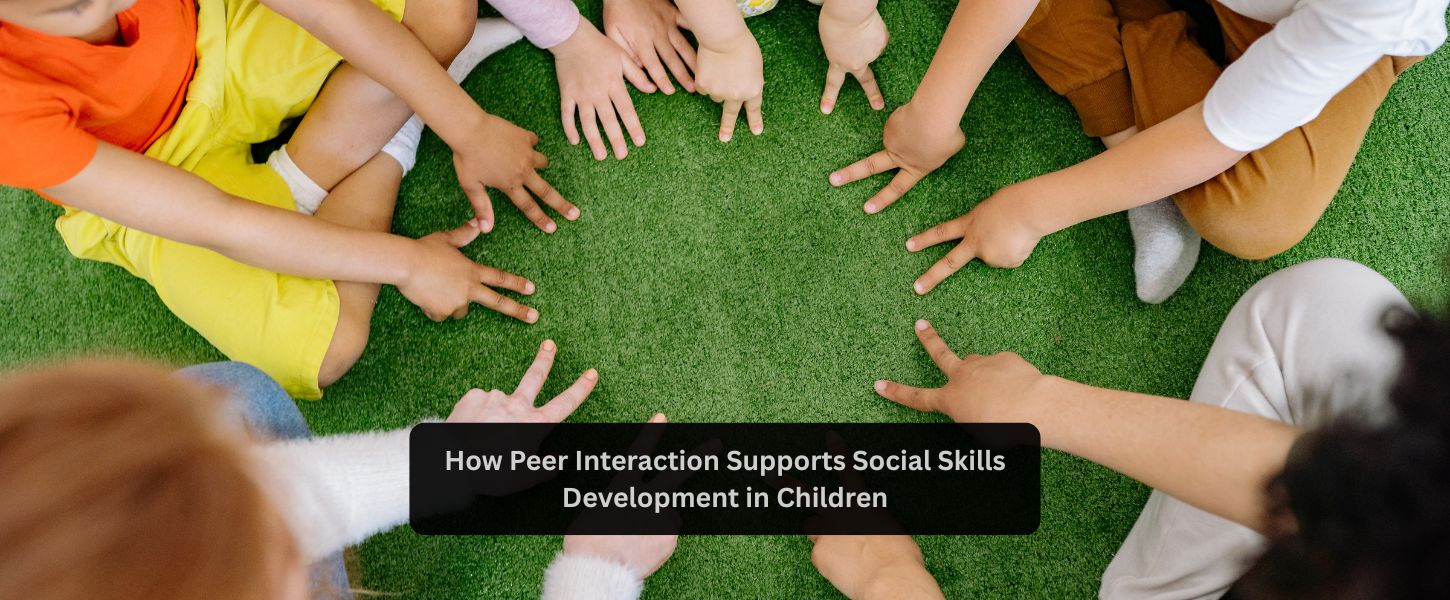

Regular peer interaction plays a crucial role in developing Social Skills in children. Through friendships, group activities, and shared experiences, children learn communication, teamwork, empathy, and emotional management that support overall growth and future success.
Children learn much more than academic concepts during their early years. Every conversation, shared activity, and friendship contributes to the development of essential Social Skills that help them navigate the world with confidence. While parents and teachers play important roles, interactions with peers provide unique learning opportunities that cannot be replicated through instruction alone.
From learning how to share toys to resolving disagreements and working toward common goals, peer interaction serves as a powerful tool for social skills development. These experiences shape how children communicate, collaborate, and build meaningful relationships throughout their lives.
Childhood is a crucial phase of child development, during which children begin to develop the social habits, behaviors, and relationship skills that shape their future interactions. Regular peer interaction exposes them to different perspectives, personalities, and ways of thinking, helping them better understand the dynamics of social relationships.
Through these experiences, children learn to communicate effectively, respect boundaries, cooperate with others, and build trust. Over time, these skills contribute to stronger friendships, healthier relationships, and improved emotional well-being.
One of the most significant benefits of peer relationships is the development of strong communication skills. Children naturally practice speaking, listening, questioning, and responding during everyday interactions.
Whether they are playing games, participating in classroom discussions, or collaborating on projects, children learn how to communicate effectively while understanding the importance of active listening and mutual respect.
Strong communication skills help children:
Beyond improving communication, peer interaction plays a vital role in emotional development in children. Through friendships and shared experiences, children learn to recognize emotions, manage frustrations, show empathy, handle disappointments, and celebrate others’ successes. These experiences help build emotional awareness, resilience, and a deeper understanding of both their own feelings and those of others.
Many childhood activities naturally promote teamwork for kids, from sports and group assignments to creative projects and community events. These experiences teach children the value of collaboration and working together toward a common goal.
As children participate in team-based activities, they learn to cooperate, share responsibilities, respect different viewpoints, support one another, and solve problems collectively. These skills strengthen relationships and prepare them for future academic, social, and professional environments.
Children do not need formal training to improve their social abilities. Many everyday activities provide valuable opportunities for social skills development.
Examples include:
Games and recreational activities encourage children to communicate, negotiate rules, and collaborate with peers.
Sports teach discipline, cooperation, leadership, and healthy competition.
Role-playing allows children to practice empathy, conflict resolution, and emotional expression.
Art, storytelling, and collaborative tasks encourage idea-sharing and teamwork.
These experiences contribute positively to both a child’s social development and confidence-building.
As the importance of social learning grows, communities are increasingly being designed to encourage interaction and collaboration among children.
This philosophy is reflected in communities developed by Ashiana Housing. Projects such as Ashiana Aaroham are designed with spaces that encourage outdoor activities, peer engagement, and collaborative experiences. By creating opportunities for children to interact naturally within a safe environment, such communities support both child social development and overall well-being.
The environment children grow up in can significantly influence their social experiences. Schools, parks, activity centers, and community spaces all provide opportunities for children to connect with others and practice social behaviors.
A supportive environment encourages:
The more opportunities children have to interact with peers, the stronger their Social Skills become.
Strong Social Skills are built through regular peer interaction, helping children communicate effectively, collaborate with others, develop empathy, and build meaningful relationships. These experiences play a key role in social and emotional growth.
By interacting with peers through play, learning, and group activities, children strengthen communication skills, teamwork, confidence, resilience, and overall child development, preparing them for future success.
Peer interaction helps children develop communication, teamwork, empathy, and relationship-building skills.
It provides opportunities to practice cooperation, active listening, conflict resolution, and collaboration.
Group play, sports, team projects, community activities, and role-playing exercises help strengthen social skills.