Chennai’s GCC Expansion and Its Potential Impact on Real Estate Market
Chennai has long been recognised for its strong manufacturing, automobile, IT, healthcare, financial services, and engineering sectors. In...
Read More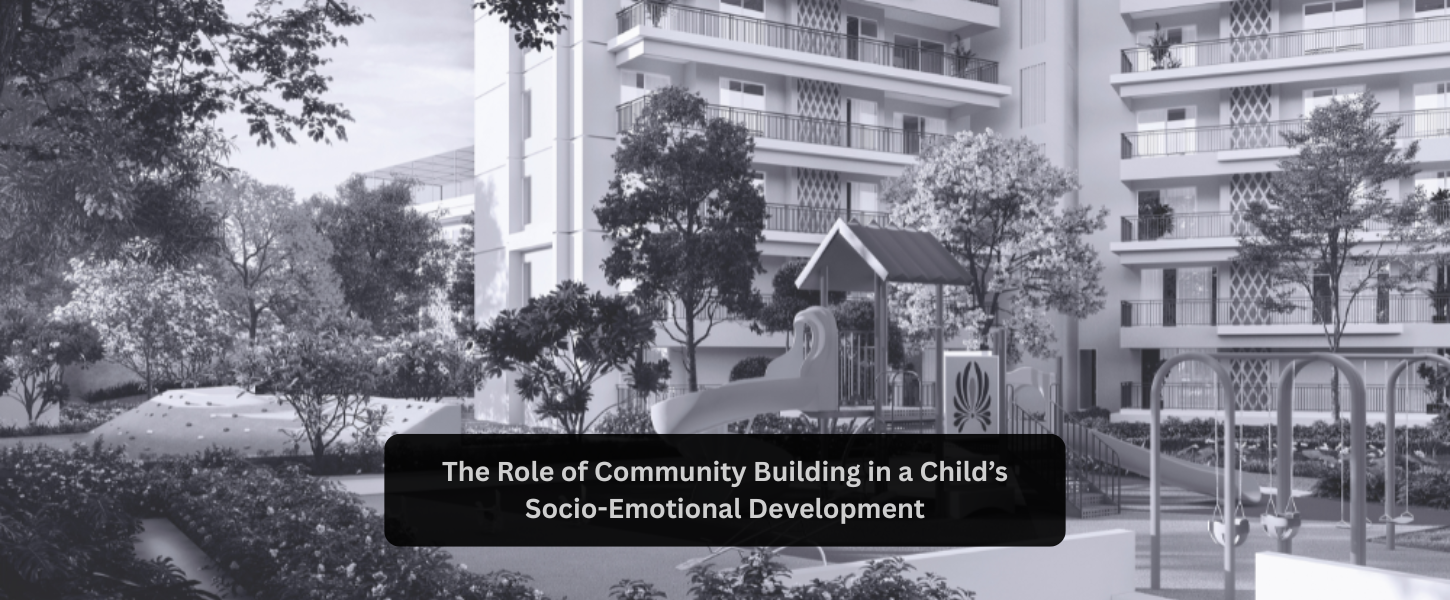

Every parent wants their child to grow into a confident, compassionate, and emotionally resilient individual. While academics and extracurricular activities certainly contribute to a child’s growth, some of life’s most valuable lessons are learned through everyday interactions with people around them. From making friends at the neighborhood park to participating in community celebrations and group activities, these experiences play a crucial role in shaping a child’s personality and outlook on life.
This is where socio-emotional development becomes essential. While children learn many lessons at home and school, some of their most meaningful growth happens within a community. The friendships they build, the celebrations they share, the games they play, and the relationships they nurture all contribute to their confidence, empathy, and emotional well-being.
After all, every parent wants more than just a beautiful home, they want a place where their children can find their own circle of friends and where families can build meaningful connections. As families increasingly seek premium homes in thoughtfully planned communities, locations like Jagatpura, Jaipur are becoming preferred choices for those looking for not just a residence, but a true sense of belonging.
Socio-emotional development refers to a child’s ability to understand and manage emotions, establish positive relationships, communicate effectively, and make responsible decisions. It encompasses both social development and emotional development, which together form the foundation of a child’s personality and future success.
Children who experience healthy socio-emotional development tend to display greater confidence, resilience, empathy, and adaptability. These qualities help them navigate challenges both in childhood and later in adulthood.
A community is much more than a collection of homes, it is where children experience their first friendships outside school, learn to collaborate with others, and develop a sense of belonging. Whether it’s riding bicycles together, participating in festive celebrations, or simply spending evenings with neighbours, these shared experiences leave a lasting impact on a child’s socio-emotional development.
One of the key aspects of social development is learning how to interact with others. Community environments provide children with opportunities to engage with peers from diverse backgrounds, fostering cooperation, communication, and teamwork.
Through activities such as neighborhood events, sports, cultural celebrations, and group learning experiences, children develop important social skills. More importantly, they learn how to make friends, share experiences, and build trust, skills that stay with them throughout life. These interactions strengthen their social development and help them become more confident in navigating different social situations.
A supportive community helps children recognize and express their emotions in healthy ways. Through everyday interactions, they learn empathy, compassion, and respect for others.
When children see kindness in action, resolve small disagreements with friends, or support one another during challenges, they develop a deeper understanding of emotions. This process directly contributes to emotional development, enabling them to understand their own feelings and become more sensitive to the emotions of those around them. Strong emotional development also helps children cope with stress, resolve conflicts peacefully, and build healthy relationships.
Children thrive when they feel accepted and valued. Communities provide a sense of identity and belonging that positively impacts socio-emotional development.
When children participate in community activities and develop friendships within their neighborhood, they gain confidence and feel connected to a larger support network. These connections help them feel secure, appreciated, and included. This sense of belonging enhances their emotional well-being and encourages positive self-esteem.
Today’s residential communities are designed with families in mind. Many premium homes are located within integrated developments that offer parks, play areas, clubhouses, and recreational facilities. These spaces create opportunities for children to interact, learn, and grow in a safe environment.
However, it’s not just the amenities that matter, it’s the experiences they create. A shared playground becomes a place where friendships begin. A community event becomes an opportunity to celebrate together. An evening walk becomes a chance to connect with neighbours. These everyday moments play an important role in nurturing a child’s socio-emotional development.
Parents investing in premium homes often prioritize not only comfort and convenience but also opportunities for their children’s social development and emotional development. Access to community spaces allows children to build friendships, participate in group activities, and develop a stronger sense of belonging.
Over the past few years, Jagatpura Jaipur has emerged as one of the city’s most sought-after residential destinations. Beyond its infrastructure and connectivity, what truly makes the area attractive for families is its growing culture of community-centric living.
Many residential developments in Jagatpura, Jaipur, are designed to foster meaningful social connections and community engagement. A notable example is ONE44 by Ashiana Housing, an elite homes development that places community living at the heart of the residential experience. Thoughtfully designed open spaces, recreational zones, and social gathering areas encourage residents to connect, interact, and build lasting relationships.
For children, these spaces become more than just places to play; they become places where friendships are formed, teamwork is learned, and confidence is built. Such experiences contribute significantly to their socio-emotional development while creating cherished memories along the way.
The philosophy behind “Join Us at ONE44” reflects this very spirit. It is an invitation to become part of a vibrant community where families share experiences, celebrate milestones together, and create meaningful connections. For parents seeking premium homes and elite homes, ONE44 offers an environment where both social development and emotional development can flourish naturally through everyday interactions.
At the heart of every thriving childhood is a strong sense of belonging. While schools and families play an important role in shaping young minds, communities provide the everyday experiences that help children build confidence, empathy, resilience, and meaningful relationships.
Community building is more than bringing people together; it is about creating environments where children can grow, connect, and thrive. Through shared experiences, friendships, and supportive relationships, communities become powerful contributors to a child’s socio-emotional development.
As more families choose premium homes and elite homes in thriving locations such as Jagatpura, Jaipur, the value of community-focused living continues to grow. Developments like ONE44 by Ashiana Housing are redefining what it means to feel at home, not just through thoughtfully designed residences, but through the connections and friendships that make life richer.
Because a great home is not only where your family lives; it’s where your family belongs.
Join Us at ONE44.
Socio-emotional development refers to a child’s ability to understand and manage emotions, build healthy relationships, communicate effectively, and interact positively with others. It plays a crucial role in shaping confidence, empathy, and overall well-being.
Community building creates opportunities for children to interact with peers, participate in group activities, and develop a sense of belonging. These experiences help strengthen social skills, emotional intelligence, and interpersonal relationships.
Social development helps children learn communication, cooperation, and teamwork, while emotional development enables them to understand and manage their feelings. Together, they form the foundation of healthy socio-emotional development.
Family-centric communities offer shared spaces, recreational facilities, and community events that encourage interaction and engagement. Such environments help children build friendships, gain confidence, and develop important social and emotional skills.
Parents can support socio-emotional development by encouraging participation in community events, sports, cultural activities, and group programs. Regular interaction with peers and neighbors helps children develop empathy, communication skills, and emotional resilience.