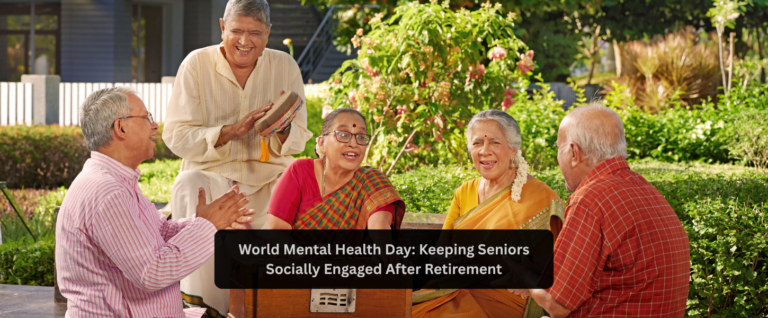
World Mental Health Day: Keeping Seniors Socially Engaged After Retirement
Retirement can open the door to a slower, more flexible lifestyle, but it can also bring significant changes...
Read More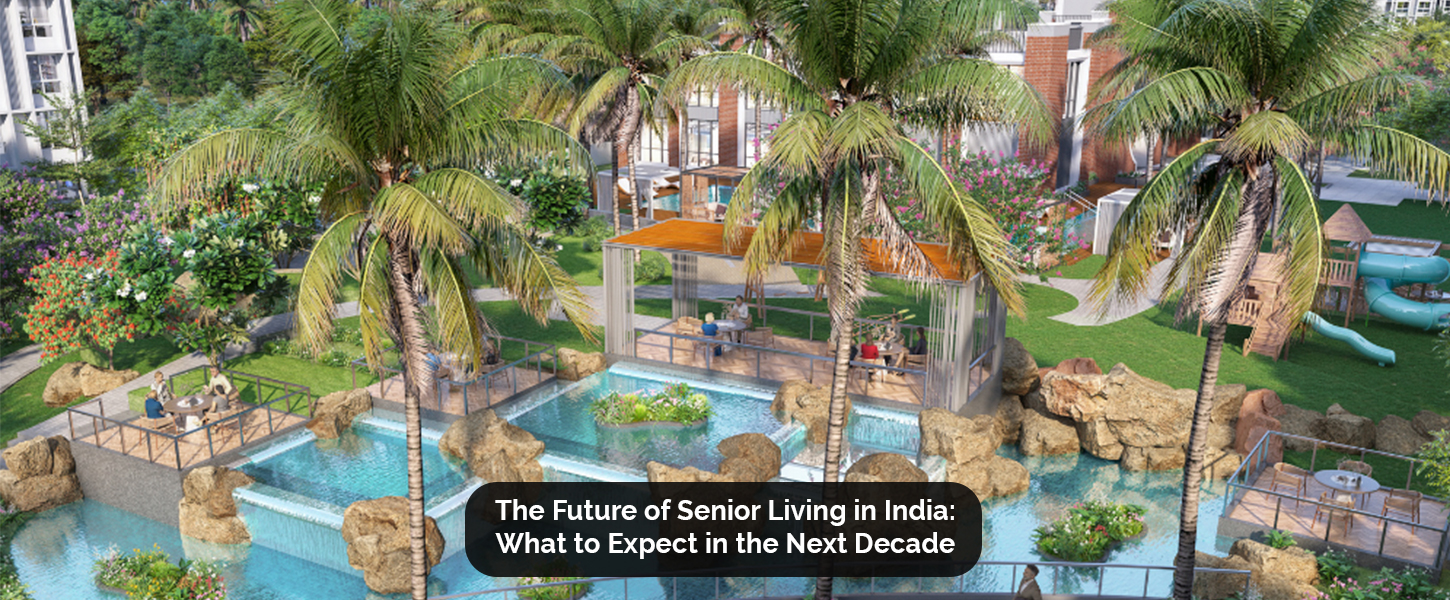

India is undergoing a demographic transformation that will significantly shape its social, healthcare, and housing infrastructure in the coming years. With the elderly population projected to cross 194 million by 2031, the country stands at a crucial juncture. Senior living, once considered a niche or even stigmatised concept, is now emerging as a practical, aspirational lifestyle choice for a growing number of older adults.
The next decade will witness a definitive shift in how senior living is perceived, planned, and executed across urban and semi-urban India. Below are key trends and developments expected to shape this sector.
Traditional old-age homes are gradually being replaced by integrated, professionally managed senior living communities. These communities are designed to promote independence, social engagement, healthcare access, and security. Unlike earlier models, these spaces are not institutional but rather lifestyle-oriented, blending comfort, wellness, and companionship.
Such developments prioritise active living, offering on-site amenities like clubhouses, hobby rooms, walking tracks, fitness areas, and dining options. The focus is not just on care, but on quality of life.
Technology will play a crucial role in transforming senior living environments:
Technology will increasingly shift from being a luxury to a necessity in senior-focused communities, offering both preventive and responsive healthcare solutions.
The healthcare component in senior living will become more integrated and proactive. Regular health check-ups, access to doctors and nurses, mental wellness programs, and in-house physiotherapy will be core offerings.
Communities will work closely with multispecialty hospitals to ensure that residents have access to both routine and critical care. The approach will shift from reactive healthcare to predictive and preventive care, aiming to extend healthy life years.
Societal perceptions of senior living are evolving. Once viewed with scepticism or associated with abandonment, senior living is now recognised as a lifestyle choice that fosters autonomy, dignity, and community.
Younger generations are increasingly supportive of this model, acknowledging that professional care and companionship offer better outcomes than dependence within nuclear households. This attitudinal change will be a key driver in mainstreaming senior living in India.
While still developing, government attention to elderly welfare is growing. Programs like the National Program for Health Care of the Elderly (NPHCE), the Maintenance and Welfare of Parents and Senior Citizens Act, and discussions around senior housing standards indicate a policy shift.
The coming decade is expected to bring clearer regulatory frameworks, accreditation systems, and possibly incentives for both developers and residents in the senior housing segment. A more structured environment will enhance credibility and encourage investment.
Senior living spaces will be thoughtfully designed with universal design principles to ensure comfort, accessibility, and safety for all residents. This includes no-step entryways for ease of movement, wider doors and corridors to accommodate mobility aids, and non-slip flooring to prevent falls. Emergency pull cords and support rails will be strategically placed to provide added safety. Additionally, the spaces will feature ample natural lighting and ventilation to promote well-being, along with quiet, acoustically-friendly interiors that create a calm and restful environment.
Due to congestion, high living costs, and limited space in metro cities, many senior living projects are now expanding into tier 2 and 3 cities like Bhiwadi, Jaipur, Coimbatore, and the outskirts of Pune. These locations offer more affordable land and construction opportunities, along with cleaner environments, a better overall quality of life, and closer proximity to nature—making them ideal for building comfortable and peaceful senior communities.
Improved infrastructure, connectivity, and the availability of medical facilities are making these cities increasingly viable for senior living development.
Beyond care, modern senior living projects emphasise active ageing. Expect a surge in:
The next decade will see communities that focus not just on needs but also on aspirations, where seniors can continue to learn, contribute, and thrive.
One example of such a model is seen in Ashiana Senior Living, where senior-focused design, social infrastructure, and in-house care services have created vibrant communities across India.
Senior living developers are actively innovating to make communities more financially accessible for seniors. This includes offering flexible ownership and rental models, monthly maintenance and care packages tailored to varying needs, and lifetime lease options that provide long-term security without the burden of ownership. Some are also exploring the integration of reverse mortgage solutions, which could further enhance affordability in the future.
With varied price points and financing solutions, senior living will cater to a broader demographic, from mid-income to affluent segments.
Over the next ten years, senior living in India will evolve from an emerging segment to an essential part of the housing and healthcare ecosystem. The shift will be driven by a combination of demographic urgency, changing social values, and the aspiration of seniors to age gracefully, independently, and in good company.
This transformation will not only benefit older adults but also ease the caregiving responsibilities of families, support public health systems, and create new economic and employment opportunities.
As the sector matures, quality, trust, and empathy will remain the cornerstones of successful senior living models.