The Secret to a Stress-Free and Fulfilling Life After Retirement
Retirement is often described as the reward for decades of hard work. Yet for many people, the transition...
Read More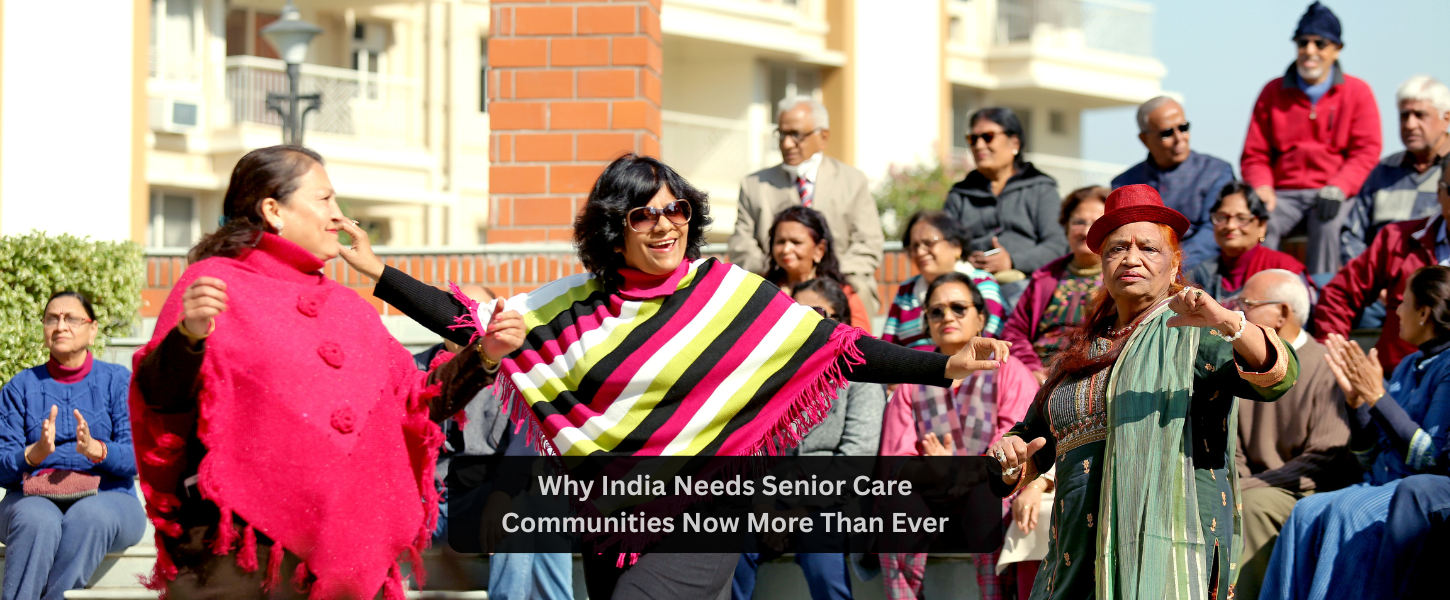

India today is the other side of the coin from a generation ago. Urbanisation, migration for work, and changing family structures have changed the living reality. Nowadays, many elderly parents live alone, often far from their children. While independence can be empowering, it has also brought health management, safety, and emotional well-being challenges. The recent NITI Aayog report on Senior Care also lays great emphasis on listing housing as one of the key issues.
Therefore, senior care communities are emerging as the bridge between independence and support. They offer thoughtfully designed spaces to enable seniors to live with dignity, choice, and a sense of belonging, without depending entirely on family members for daily needs.
Let’s see how senior care communities can address these changing needs effectively.
For decades, the joint family was the backbone of elder care in India. Multiple generations lived under one roof, and seniors had built-in support for everything from household chores to health monitoring. Nevertheless, with economic growth came increased mobility.
Children now relocate to different cities or even abroad for education and work opportunities. Smaller nuclear families are becoming the norm, and elderly parents are often left to manage on their own.
Many seniors do actually appreciate the freedom to live life on their own terms. However, there is no denying that the absence of constant family presence creates gaps in everyday care. Tasks such as managing medication schedules, getting regular health check-ups, or simply having someone to share meals with can become challenging.
This shift has created an urgent need for alternative living arrangements that combine independence with reliable support systems.
The demand for senior care communities in India is growing at a pace that reflects both demographic changes and evolving aspirations. According to industry estimates, the senior living sector in India could increase 5 times by 2030. This is due to an ageing population and rising awareness about the benefits of planned senior living environments.
These communities go beyond providing a roof over one’s head. They focus on creating an ecosystem that meets physical, emotional, and social needs. The following are the main factors driving this demand:
One of the meaningful advantages of senior care communities is healthcare services for daily living. On-site medical teams, tie-ups with hospitals, and routine health checks ensure that residents receive prompt attention without having to travel long distances.
Many communities also assist with daily activities such as bathing, dressing, and mobility. These services are put in place to help seniors maintain a comfortable lifestyle as their physical abilities change.
Living alone can expose seniors to safety concerns, from accidental falls to security threats. Senior care communities are designed to address these risks with features like non-slip flooring, wheelchair-friendly spaces, emergency call systems, and trained security staff available around the clock. This environment gives both residents and their families peace of mind, knowing that help is available whenever needed.
Loneliness is a silent challenge for many older adults. Senior care communities create opportunities for social interaction through shared dining areas, hobby clubs, wellness classes, and cultural events. This regular engagement helps in building friendships and maintaining mental well-being. The sense of belonging that comes from living in a community of peers can be invaluable in the later stages of life.
Today’s senior care communities are a far cry from the bare minimum facilities of the past. They often include landscaped gardens, fitness centres, libraries, and activity rooms. Meals are planned as per nutritional needs, and transport services make it easier for residents to run errands or attend appointments. These amenities are also designed to promote an active and fulfilling lifestyle, therefore, encouraging residents to remain engaged and independent for as long as possible.
Choosing the right senior care community requires careful evaluation. The following are some of the considerations to make note of before choosing a senior care community:
India’s ageing population is growing, and with it, the need for planned, secure, and enriching living options for seniors. Senior care communities offer the perfect balance of independence and support, combining healthcare, safety, and companionship in one thoughtfully designed environment.
At Ashiana Housing Senior Living properties, we have over 2350 residents celebrating their golden years. We have been at the forefront of the industry by creating such spaces, blending comfort, security, and community living tailored for senior needs. If you are looking for a home that brings together wellness, safety, and a vibrant social life, it is time to explore our projects.
We give your loved ones the care they deserve while helping them live life to the fullest.