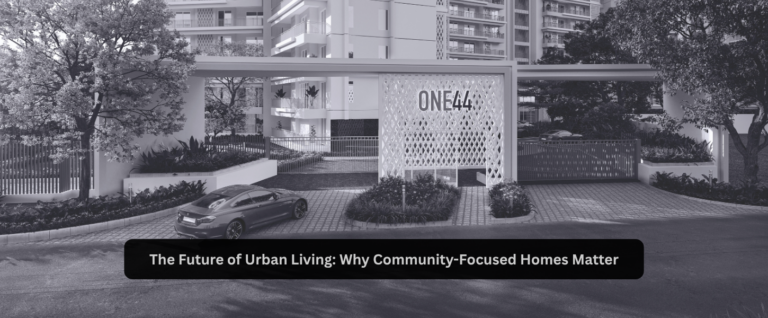
The Future of Urban Living: Why Community-Focused Homes Matter
Square footage, location, and specifications remain important considerations when choosing a home. But increasingly, the decision doesn’t end...
Read More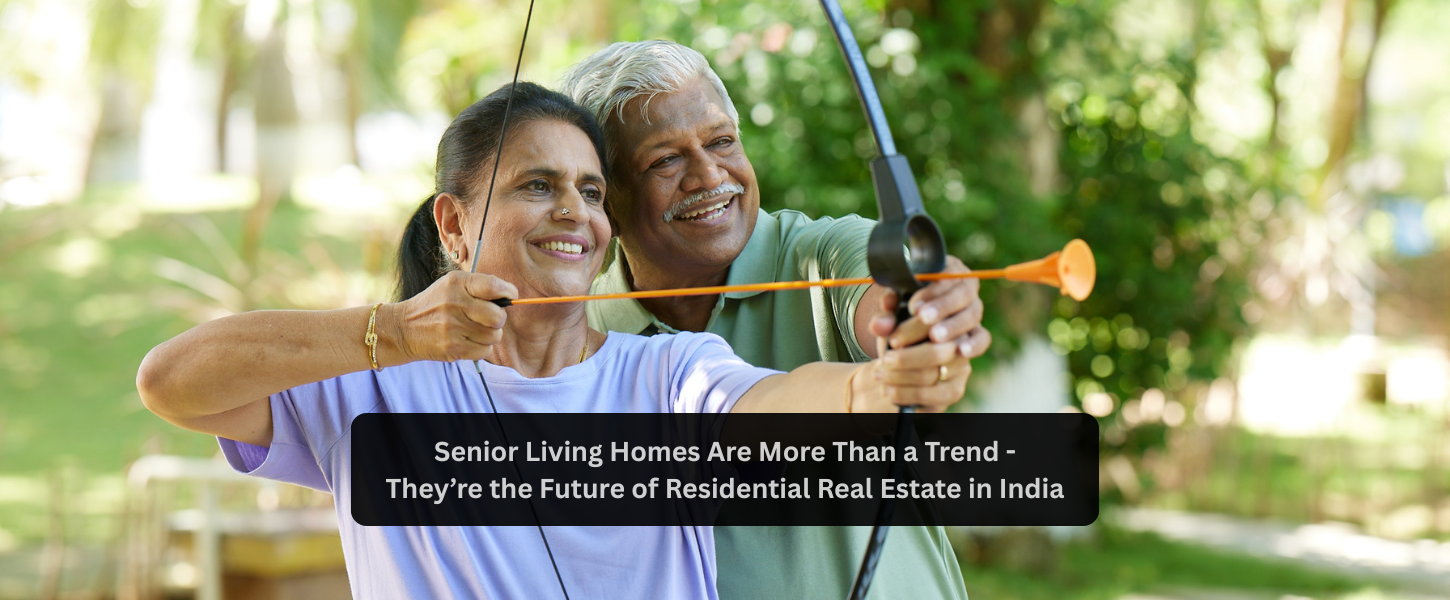

India’s housing market is evolving alongside its population. As people live longer, family structures become more dispersed, and older adults seek greater independence, senior living homes are moving from a niche housing category to an important part of the country’s residential landscape. What was once viewed primarily as accommodation for old age is increasingly being considered a planned lifestyle choice for retirement.
This transition is particularly visible in metropolitan markets such as Chennai, where strong healthcare infrastructure, urban connectivity, and growing demand for organised housing are creating favourable conditions for senior living in India. For the real estate industry, the opportunity is no longer simply to build homes for seniors; it is to create communities designed around how people want to live after retirement.
Most Indian homes are designed for general family living rather than the changing requirements that come with age. Features that appear insignificant earlier in life, from stairs and slippery flooring to difficult to access bathrooms and heavy maintenance responsibilities, can become everyday challenges later.
At the same time, conventional housing may not address another important concern: social connection. Children may relocate for work, neighbourhoods may change, and regular interaction can gradually reduce after retirement.
This gap between conventional housing and changing senior needs is creating demand for purpose built elderly housing India, where accessibility, security, social engagement, and independence are incorporated into residential planning from the beginning.
Chennai has several characteristics that make it well suited to the growth of organised retirement housing. Access to established hospitals and healthcare professionals is a major advantage, while strong road, rail, and air connectivity helps seniors remain connected with family members living elsewhere.
The city also offers an established cultural and social environment alongside expanding residential corridors beyond its densely populated core. This creates opportunities for communities that combine metropolitan accessibility with quieter surroundings.
For retirees evaluating long term living options, this balance can be valuable. Healthcare remains accessible, while daily life can take place in an environment designed around comfort, recreation, and community interaction.
The growth of senior living homes is significant because these developments address a very specific stage of life rather than attempting to adapt conventional housing after residents move in.
Good senior focused planning considers accessibility throughout the community. Residences can incorporate practical layouts, while common spaces may feature safer pathways, convenient access, and environments that make everyday movement easier.
However, physical design is only one element. Modern senior living communities increasingly combine housing with wellness, recreation, maintenance, security, emergency preparedness, and opportunities for residents to engage socially.
The result is a residential model built around independence rather than dependence.
The language around retirement housing is changing because the expectations of seniors themselves are changing.
Traditional perceptions of retirement homes India often centred on care and assistance. Modern retirement living, by contrast, can include fitness, yoga, hobbies, cultural programmes, celebrations, games, gardening, and opportunities to form new friendships.
This has encouraged the growth of active senior living, where residents are not simply provided with age friendly homes but with an environment that encourages participation.
For many older adults, that distinction matters. Retirement may bring more control over personal time, and the right community can make it easier to use that time meaningfully.
One of the most important ideas shaping this segment is independent senior living.
Many seniors considering these communities are capable of managing their daily lives and do not require continuous care. What they may value instead is freedom from demanding property maintenance, easier access to services, greater security, and the reassurance that assistance is available when required.
This creates an important middle ground between conventional housing and care intensive facilities. Residents can continue making their own choices while living in an environment designed to remain practical as they grow older.
The rise of senior housing represents a larger change within residential real estate India: developers are increasingly designing communities for specific lifestyles and life stages.
Senior housing requires a different approach from conventional development. Location decisions must consider healthcare and connectivity. Architecture must prioritise accessibility. Community management becomes especially important, while amenities need to support genuine everyday use rather than simply add visual appeal.
In the Chennai region, developers with specialised experience are contributing to this evolution. Developers like Ashiana Housing have developed senior living communities around Chennai, illustrating how organised residential development can bring together independent lifestyles, age friendly infrastructure, wellness, security, and social engagement within one ecosystem.
As the sector expands, quality will matter more than simply adding a senior living label to a residential project.
Successful communities will need to balance independence with preparedness. Accessibility should be integrated naturally into the design, while healthcare support and emergency systems should be available without making the environment feel institutional.
Equally important will be community management. Residents need opportunities for recreation and social interaction, along with reliable maintenance and everyday services.
For homebuyers and families, evaluating these operational aspects can be just as important as comparing apartment specifications.
Chennai’s evolving senior housing ecosystem demonstrates how the category can develop alongside major cities rather than being restricted to isolated retirement destinations.
This is significant because many seniors do not necessarily want to disconnect from urban life. They may prefer quieter residential surroundings while retaining access to hospitals, airports, family networks, cultural activities, and city conveniences.
As similar preferences emerge elsewhere, senior housing could become a more established part of mainstream residential planning across India.
The rise of senior living homes is not simply a short term real estate trend. It reflects fundamental changes in demographics, family structures, retirement expectations, and the way older adults define independence.
For residential real estate India, this creates an opportunity to develop housing that responds to an important and growing life stage with greater thought and specialisation. Chennai’s emerging ecosystem provides an example of how metropolitan connectivity, healthcare access, age friendly design, and community living can work together.
The key takeaway is that the future of senior housing will depend on more than building age friendly residences. The most relevant senior living homes will be those that help residents remain independent, active, connected, and comfortable while providing the support needed for the years ahead.
What are senior living homes?
Senior living homes are age friendly residences designed to support independent, secure, active, and socially connected lifestyles for older adults.
Why is senior living growing in India?
Longer life expectancy, changing family structures, greater financial independence, and evolving retirement expectations are driving demand for organised senior living.
Why is Chennai suitable for senior living communities?
Chennai offers established healthcare infrastructure, strong connectivity, urban conveniences, and residential locations suitable for organised retirement living.
How is independent senior living different from traditional retirement homes?
Independent senior living focuses on autonomy, wellness, recreation, and community engagement while keeping support and essential services accessible when needed.
What should families look for in senior living homes?
Consider age friendly design, healthcare access, emergency support, security, maintenance, social activities, location, and opportunities for active living.