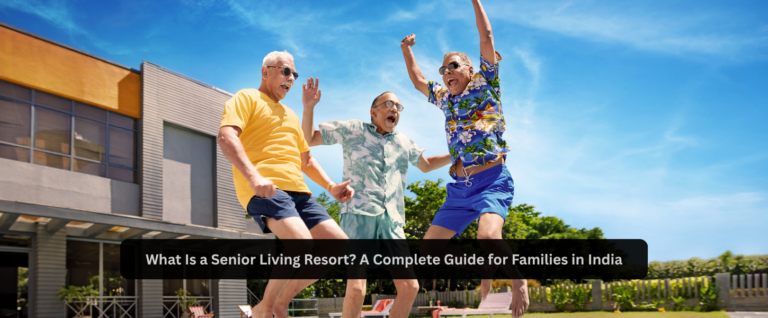
What Is a Senior Living Resort? A Complete Guide for Families in India
Retirement should be about enjoying life at a comfortable pace, staying connected with loved ones, and having the...
Read More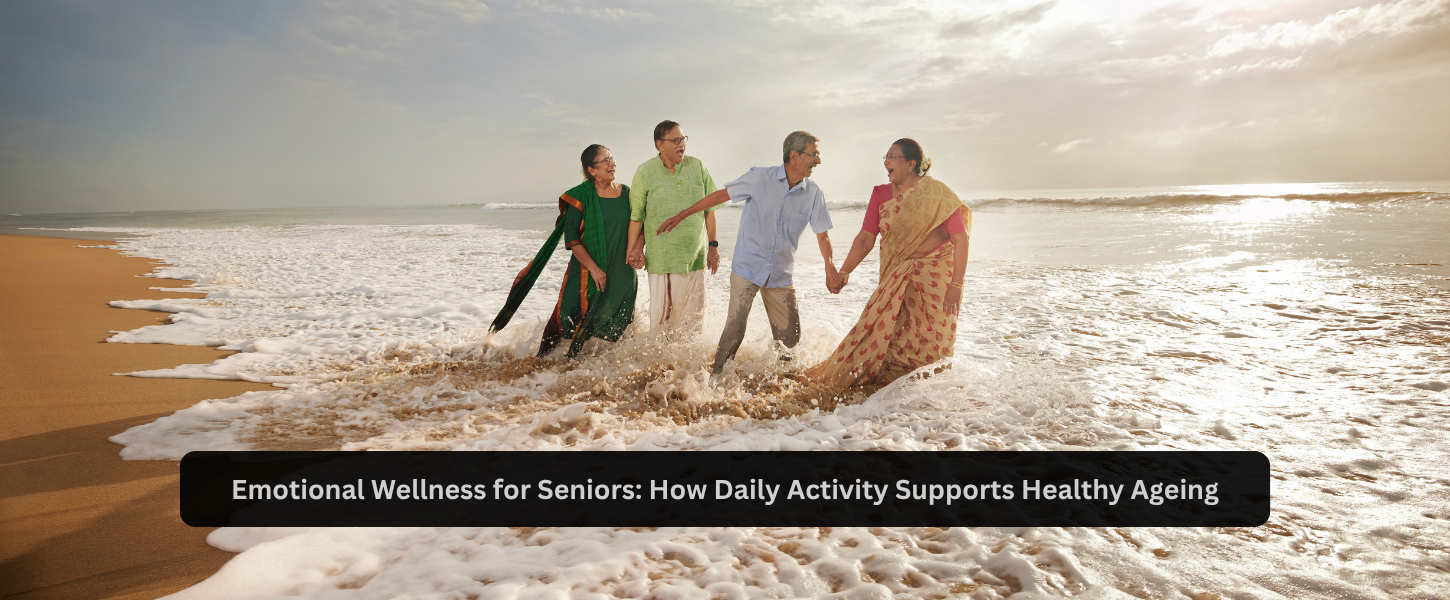

Retirement brings something many people look forward to for years: the freedom to spend time on what truly matters. It opens the door to new hobbies, meaningful relationships, travel, learning, and a slower pace of life. But healthy ageing is not only about staying physically fit. Emotional wellness plays an equally important role in helping seniors enjoy this new chapter with confidence, connection, and purpose.
Daily engagement through conversations, hobbies, physical activity, learning, and community participation can make retirement more fulfilling. Research from the World Health Organization (WHO) highlights that social participation and supportive communities are key contributors to healthy ageing, while loneliness and social isolation can negatively affect overall well-being.
The good news is that emotional wellness is built through everyday moments, and small, consistent activities can make a meaningful difference.
Emotional wellness is the ability to understand, manage, and express emotions while maintaining meaningful relationships and finding purpose in everyday life.
For seniors, emotional wellness includes:
It is not about feeling happy all the time. It is about having the emotional resilience and support needed to enjoy life’s experiences.
Many people use these terms interchangeably, but they are different.
| Emotional Wellness | Mental Health |
| Managing emotions and maintaining positive relationships. | Overall psychological and cognitive well-being. |
| Focuses on purpose, connection, resilience, and emotional balance. | Includes emotional, behavioural, and psychological health conditions. |
| Supported through routines, hobbies, friendships, and community engagement. | May sometimes require professional assessment, counselling, or medical care. |
Both emotional wellness and mental health contribute to healthy ageing, and nurturing one often supports the other.
Life after retirement often brings significant transitions. Daily work routines change, children may move away, and social circles can become smaller. While retirement offers freedom, it may also increase the risk of loneliness if meaningful engagement decreases.
According to the WHO, loneliness and social isolation are important public health concerns among older adults and can affect physical and emotional well-being. Staying socially connected and participating in community life supports healthier ageing.
Healthy ageing is not just about living longer. It is about living well.
Daily engagement improves emotional wellness by creating routine, purpose, connection, and opportunities for meaningful experiences.
Simple activities such as walking with friends, attending hobby clubs, volunteering, practising yoga, or learning something new can positively influence emotional well-being.
| Daily Engagement | Potential Emotional Benefit |
| Morning walks with neighbours | Social connection and physical activity. |
| Yoga or meditation | Stress management and emotional balance. |
| Hobby clubs | Creativity, purpose, and enjoyment. |
| Board games and puzzles | Cognitive stimulation and social interaction. |
| Community celebrations | Belonging and companionship. |
| Volunteering or mentoring | Sense of contribution and confidence. |
| Learning music, art, or technology | Lifelong learning and emotional fulfilment. |
Daily engagement is not about staying busy every minute. It is about creating meaningful experiences that make each day purposeful.
Regular conversations, shared meals, walks, and group activities help seniors maintain meaningful social relationships and reduce feelings of isolation.
Having activities to look forward to gives structure to retirement and helps create a sense of accomplishment.
Reading, puzzles, music, learning new skills, and workshops keep the brain active and encourage curiosity.
Community activities create opportunities to meet like-minded people, celebrate together, and develop lasting friendships.
Activities like walking, yoga, swimming, and light fitness contribute to both emotional and physical well-being.
Choosing activities independently helps seniors stay confident, capable, and emotionally resilient.
Emotional wellness grows stronger when seniors feel connected to people around them.
Ways families can help include:
A supportive community complements family relationships by providing companionship in everyday life.
| Time of Day | Suggested Activity |
| Morning | Walk, yoga, meditation, or gardening. |
| Afternoon | Reading, puzzles, music, art, or hobby sessions. |
| Evening | Social gatherings, board games, or community events. |
| Weekly | Cultural programmes, workshops, volunteering, or fitness classes. |
This routine offers flexibility while encouraging meaningful engagement throughout the week.
The environment where seniors live can make everyday engagement easier and more natural. Walkable pathways, green spaces, clubhouses, activity rooms, wellness facilities, and shared gathering areas create opportunities for residents to interact without needing to travel far.
Ashiana Housing’s senior living communities are designed around this philosophy. Instead of focusing only on residential spaces, communities encourage daily interaction through wellness sessions, hobby clubs, cultural celebrations, fitness activities, and landscaped spaces where residents can connect with neighbours.
In Chennai, Ashiana Vatsalya and Swarang reflect this approach by offering thoughtfully designed senior living communities that support independence while encouraging social participation and an active retirement lifestyle.
Emotional wellness is built through consistent everyday experiences rather than occasional celebrations. A conversation with a friend, a morning yoga session, a hobby that sparks creativity, or a community event can all contribute to a happier and more fulfilling retirement.
Healthy ageing is about maintaining independence, meaningful relationships, physical activity, lifelong learning, and a sense of purpose. When daily engagement becomes part of everyday life, retirement becomes an opportunity to continue growing, connecting, and enjoying life with confidence.
Seniors can improve emotional wellness through regular social interaction, physical activity, hobbies, mindfulness, learning new skills, volunteering, and maintaining meaningful daily routines.
Building friendships, joining community activities, staying connected with family, participating in hobby clubs, and maintaining an active daily routine can help reduce loneliness and social isolation.
Walking groups, yoga, gardening, music, painting, reading, puzzles, volunteering, cultural programmes, and community events all support emotional well-being.
There is no fixed number, but regular meaningful interaction with family, friends, neighbours, or community groups helps seniors maintain a sense of belonging and emotional connection.
Community living creates opportunities for companionship, shared activities, wellness programmes, and social participation, making it easier for seniors to stay emotionally engaged while maintaining independence.