




Chennai’s GCC Expansion and Its Potential Impact on Real Estate Market
Chennai has long been recognised for its strong manufacturing, automobile, IT, healthcare, financial services, and engineering sectors. In…
7 min read
Read more
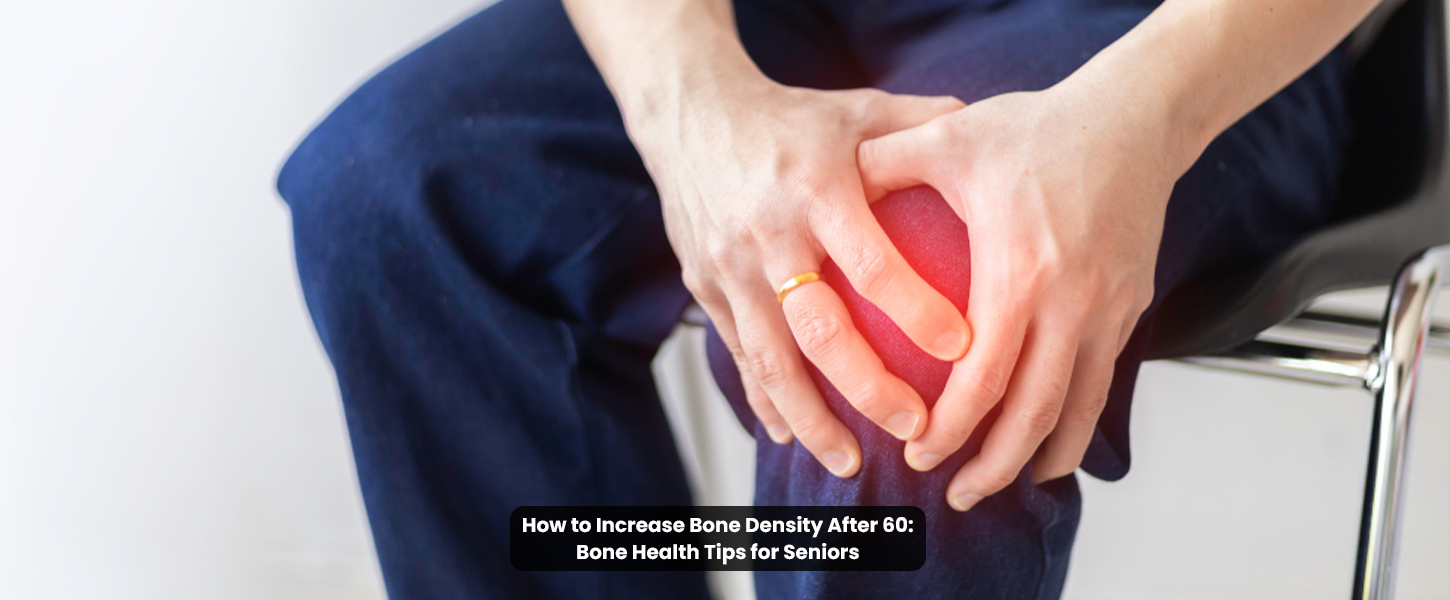
Aging brings many joys—wisdom, experience, and a treasure trove of memories. However, it also comes with some physical challenges, one of which is declining bone density. Weak bones increase the risk of fractures, limiting mobility and independence. The good news? You can strengthen your bones at any age, including after 60. Here’s how.
As we age, bone loss occurs naturally because the body reabsorbs more bone tissue than it produces. This process is accelerated by hormonal changes, nutritional deficiencies, and a sedentary lifestyle. In some cases, conditions like osteoporosis make bones even more fragile. The key to maintaining strong bones lies in a combination of diet, exercise, and lifestyle adjustments.
Also Read: 5 Ways to Keep Your Eyes Safe this Summer
Here are some proven ways to boost bone density.
Calcium is the building block of bones, while vitamin D helps the body absorb calcium. After 60, men and women should aim for 1,200 mg of calcium per day and at least 600–800 IU of vitamin D.
Bones become stronger when they are subjected to stress. Weight-bearing and resistance exercises stimulate bone formation.
Strength training not only builds muscle but also stimulates bone growth.
Apart from calcium and vitamin D, other nutrients contribute to bone health:
Smoking weakens bones by reducing calcium absorption, and excessive alcohol consumption interferes with bone remodeling. Quitting smoking and keeping alcohol intake moderate (1 drink per day for women, 2 for men) can significantly improve bone health.
A bone density scan (DEXA scan) can assess bone strength and detect osteoporosis early. If diagnosed with low bone density, your doctor may recommend medications or lifestyle changes to prevent fractures.
Falls are the leading cause of fractures in older adults. Reduce fall risks by:
Also Read: 7 Home Gardening Tips for Seniors
Bone health is essential for maintaining mobility and independence in later years. While bone loss is natural, you have the power to slow it down or even reverse it with the right habits. By staying active, eating well, and making small lifestyle changes, you can enjoy strong and healthy bones well into your golden years. Start today—the sooner, the better!
Chennai has long been recognised for its strong manufacturing, automobile, IT, healthcare, financial services, and engineering sectors. In…
Many of us picture retirement as a time of rest, hobbies and long, unhurried mornings. Yet the reality…
Retirement planning is often associated with building a savings corpus, investing wisely, and preparing for healthcare expenses. However,…