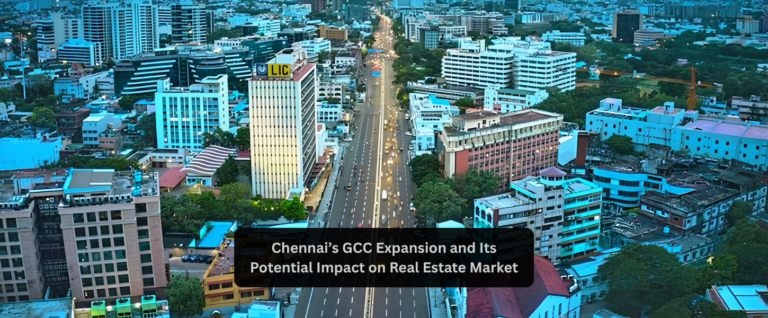
Chennai’s GCC Expansion and Its Potential Impact on Real Estate Market
Chennai has long been recognised for its strong manufacturing, automobile, IT, healthcare, financial services, and engineering sectors. In...
Read More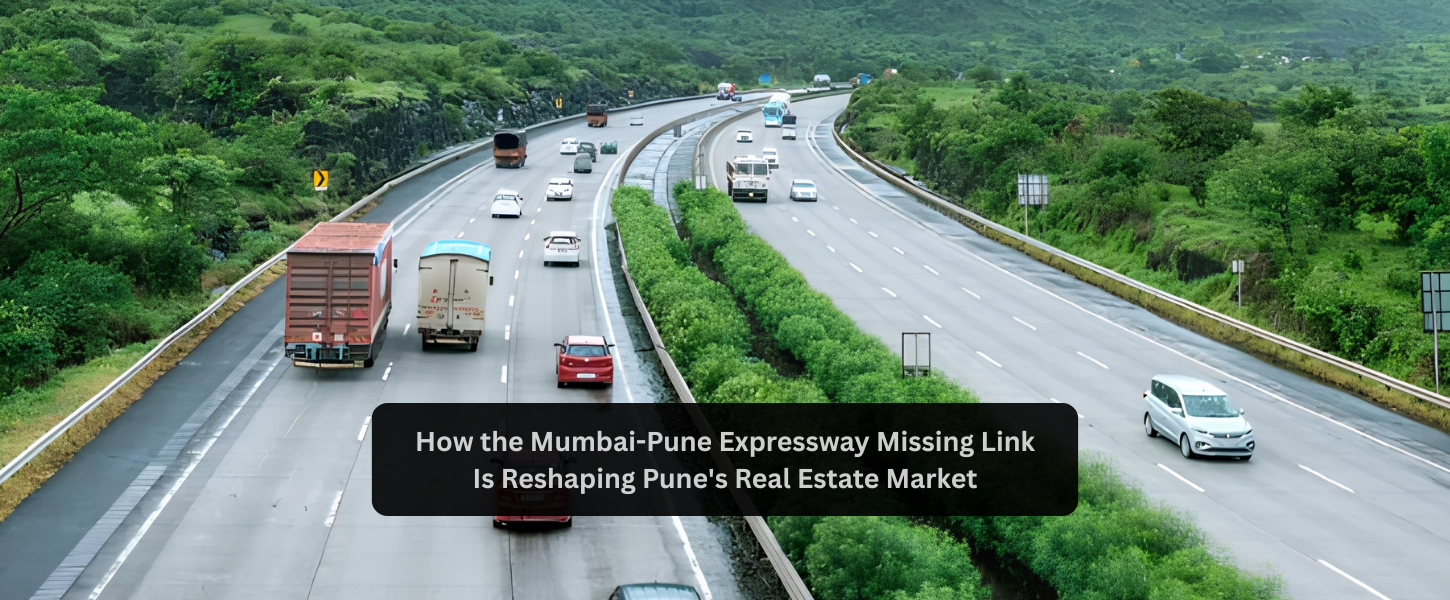

Infrastructure has always been one of the strongest catalysts for real estate growth. Whether it is a new metro line, highway, or commercial corridor, improved connectivity often transforms how people choose where to live and invest. The completion of the Mumbai Pune Expressway Missing Link is a prime example of this transformation, bringing renewed momentum to Pune real estate and reinforcing the city’s position as one of India’s fastest growing residential markets.
The Mumbai Pune Expressway Missing Link has been designed to improve traffic flow and reduce congestion on one of India’s busiest expressways. Through a combination of tunnels, bridges, and advanced engineering, the new alignment shortens travel distance while making journeys faster and safer.
For professionals who frequently travel between Mumbai and Pune, reduced commuting time means greater convenience and a better work life balance. Businesses also benefit from improved logistics and smoother transportation, creating positive ripple effects across multiple sectors.
Beyond transportation, the project is expected to have a lasting influence on the Pune property market.
Across India’s major cities, there is a strong relationship between infrastructure upgrades and residential development. Better connectivity attracts commercial investments, improves employment opportunities, and increases demand for housing in surrounding areas.
As connectivity improves through projects like the Mumbai Pune Expressway Missing Link, several positive outcomes are expected.
These developments contribute to sustained real estate growth, particularly in locations that offer excellent accessibility and quality residential infrastructure.
Modern homebuyers are making decisions differently than they did a decade ago. Instead of choosing homes based only on proximity to work, they are evaluating the complete lifestyle a community offers.
Today’s buyers increasingly prioritise well planned neighbourhoods, green open spaces, modern amenities, security, and better connectivity. Communities that combine these features with easy access to major transport corridors are becoming highly desirable.
This shift has encouraged developers to create integrated residential projects that balance convenience, comfort, and long term liveability. Rather than focusing only on location, buyers are investing in communities that enhance their everyday quality of life.
Pune has consistently remained one of India’s strongest residential markets because of its diverse economy, renowned educational institutions, thriving IT ecosystem, and manufacturing sector.
The improved regional connectivity resulting from the Mumbai Pune Expressway Missing Link further strengthens its investment potential. As accessibility improves, more professionals may choose to live in Pune while maintaining business connections with Mumbai, increasing demand across the housing market.
For investors, this combination of infrastructure development and sustained residential demand creates favourable conditions for long term property investment.
Infrastructure projects no longer influence only travel. They shape how cities expand and evolve while influencing where people choose to live.
These trends reflect a clear shift towards investing in homes that deliver long term quality of life instead of simply offering proximity to workplaces.
While infrastructure creates exciting opportunities, selecting the right property still requires careful evaluation.
Before making a purchase, buyers should consider the following factors.
Developers such as Ashiana Housing are aligning with these evolving buyer preferences by creating thoughtfully designed residential communities that combine quality construction, lifestyle focused planning, and well integrated amenities. Their approach reflects the growing emphasis on building homes that offer lasting value while supporting modern community living.
The impact of the Mumbai Pune Expressway Missing Link extends beyond faster travel times. It represents a broader transformation in how infrastructure influences urban development and housing demand.
As Pune continues to attract professionals, entrepreneurs, and investors, the city’s residential market is expected to benefit from stronger connectivity, expanding commercial opportunities, and increasing demand for quality housing.
For buyers, the opportunity lies not simply in purchasing property but in identifying locations that will continue to grow alongside future infrastructure development.
The completion of the Mumbai Pune Expressway Missing Link is expected to play a significant role in strengthening Pune real estate by improving connectivity, supporting economic activity, and encouraging residential growth. Combined with evolving buyer preferences and expanding infrastructure, the project reinforces Pune’s position as one of India’s most attractive housing markets.
The key takeaway is simple. Infrastructure is more than a transportation upgrade. It is a long term driver of Pune real estate. Buyers and investors who consider future connectivity alongside project quality are likely to make more informed and rewarding real estate decisions.
It is a major infrastructure project designed to reduce travel time between Mumbai and Pune while improving connectivity, road safety, and traffic flow.
Improved connectivity is expected to increase housing demand, support long term property appreciation, and encourage residential development across Pune.
Yes. Pune’s strong economy, expanding infrastructure, thriving IT sector, and consistent housing demand make it an attractive destination for long term property investment.
Integrated townships, lifestyle focused communities, sustainable developments, larger homes, and increasing demand from end users are among the leading trends.
Infrastructure improves accessibility, attracts businesses, boosts economic activity, increases residential demand, and supports long term property value appreciation.