






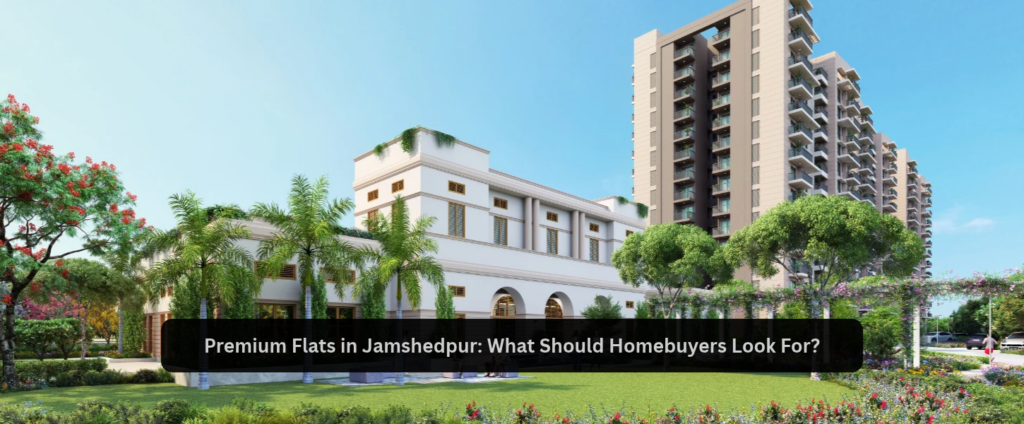
Premium Flats in Jamshedpur: What Should Homebuyers Look For?
Buying a home is about more than finding a spacious apartment or living in a well-known neighbourhood. It…
6 min read
Read more
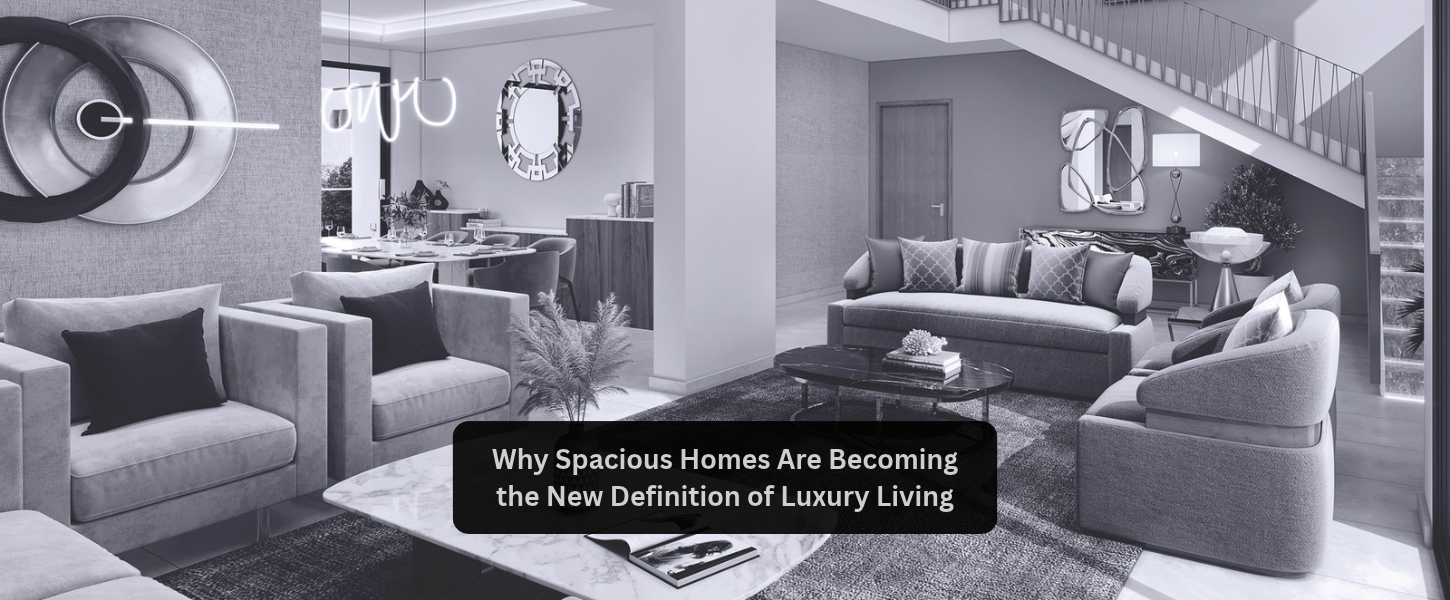
Luxury was once associated with expensive interiors, grand entrances, and impressive amenities. Today, homebuyers are looking beyond appearances and paying greater attention to how a home makes them feel. Having enough room to relax, enjoy privacy, spend time with family, and pursue personal interests is becoming an important part of modern homeownership.
This shift is changing the meaning of luxury living. A spacious home is no longer simply about having more square footage. It is about thoughtful layouts, functional spaces, natural light, and the freedom to enjoy everyday life without feeling restricted. As homebuyers explore premium residential options, space is becoming one of the most valued features of a comfortable home.
A well-designed home should support the way people live. Whether it is a growing family, working professionals, or people who enjoy hosting guests, having sufficient space can make everyday routines more comfortable.
Luxury was once measured by what was visible: the finish of the entrance, the brand of the fittings, the height of the tower. Today, it is increasingly measured by how a home feels to live in every day.
| Luxury then | Luxury now |
| Grand lobbies and ornate finishes | Generous rooms, high ceilings and abundant natural light |
| A long list of amenities | Amenities that are used, with space to enjoy them |
| Dense towers with many units | Low-density planning with open, green surroundings |
| Compact balconies | Large balconies, terraces and private outdoor space |
| Impressive on first visit | Comfortable for the next ten years |
In short, luxury is moving from display to experience.
Several changes in the way we live have made space more precious than ever.
For many families, the home is also an office, a classroom, and a fitness space. Flexible work has made it important to have separate zones, such as a study, a quiet corner, or a family room, so everyone isn’t competing for the same square footage.
People are more aware of the effect of their surroundings on health and mood. Light-filled rooms, cross-ventilation, views of greenery, and calm, uncluttered layouts all contribute to a sense of well-being, and each of them needs space.
Growing children, visiting parents and multi-generational households need larger, more flexible homes. A spare room or a family lounge is often valued more than an extra decorative feature.
In a busy city, a private balcony, a garden or a quiet bedroom wing can feel like true luxury. Fewer apartments per floor and well-planned layouts add to that privacy.
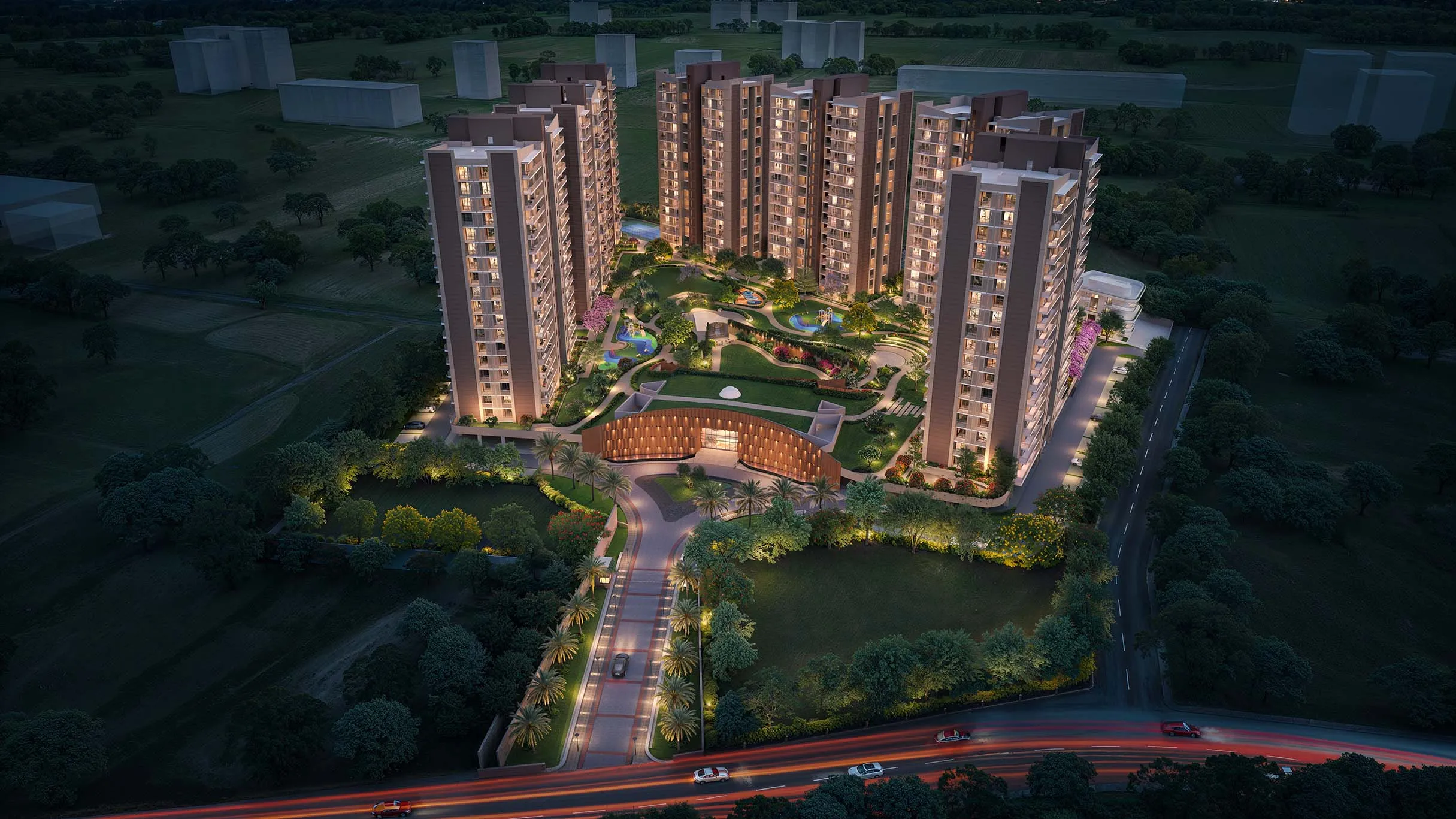
As cities become denser, buyers increasingly value communities with open lawns, wide pathways, and low building density. Green space and sky views are rare, and therefore precious.
With more information available, buyers compare carpet areas, layouts and density, not just brochures. They look for homes that deliver comfort, not only impressions.
Luxury living now comes in several forms, depending on how people want to live.
Large apartments and penthouses suit families who want generous living areas and elevated views in a community with shared amenities.
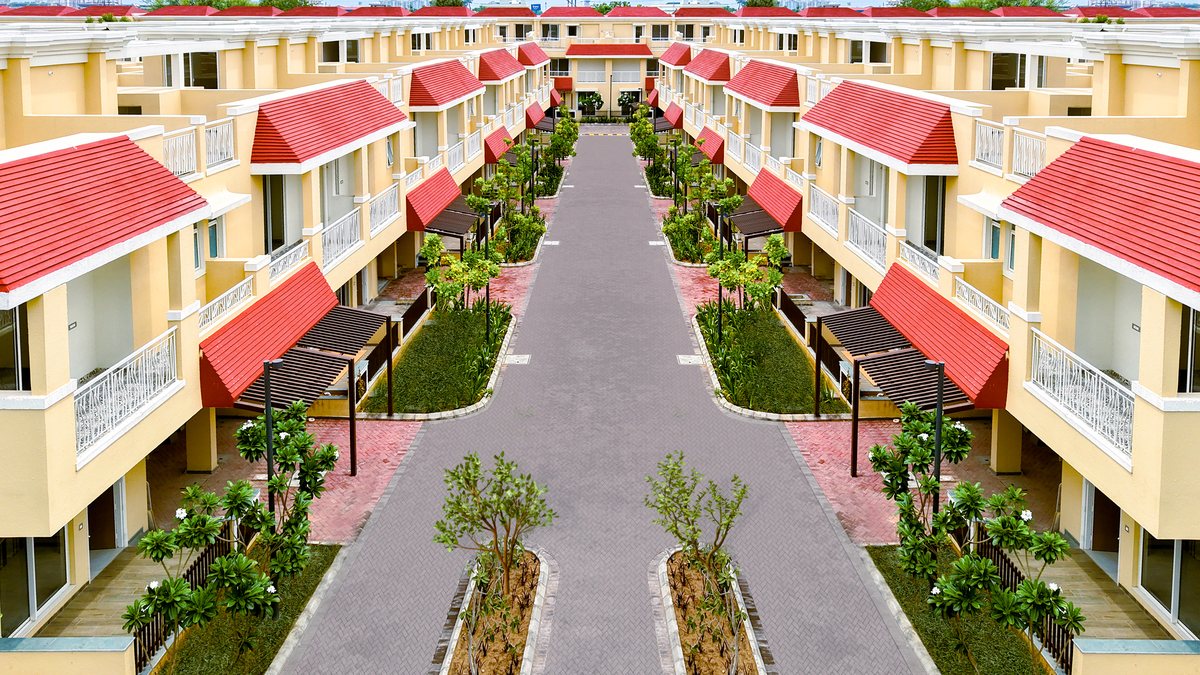
Villas offer private gardens, extra privacy and a sense of independence, with the convenience of a gated community.
Low-density communities give residents the quiet and openness that many associate with a more premium way of life, even in apartment living.
The common thread is that each gives people room to live well.
Brochures can be persuasive, so it helps to look beyond the headline area. Here are a few practical checks:
Space is a wonderful measure of luxury, but it should come alongside the fundamentals. A truly satisfying home also needs a good location, reliable construction quality, thoughtful design, strong security, well-maintained amenities and a credible developer. A large home in a poorly connected or poorly built project will not deliver the experience you expect.
It is also worth considering maintenance and running costs, since larger homes and richer amenities can mean higher monthly expenses. A realistic budget helps you enjoy the space you choose.
Developers like Ashiana Housing have embraced this philosophy through thoughtfully designed residential communities.
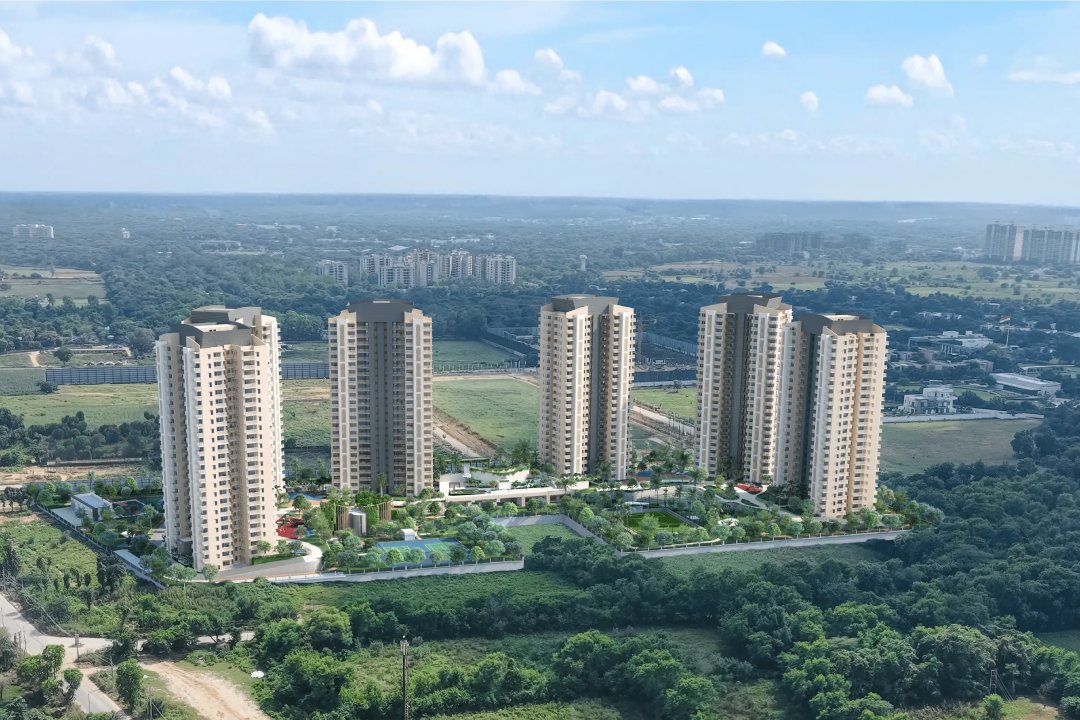
One of their projects, ONE44, reflects the same philosophy of luxury living, with a focus on spacious residences, lush green surroundings and low-density planning.
Luxury has always been about how a home makes us feel. Today, more and more people feel most at ease in homes that offer room to move, breathe and live without compromise. As needs change, space is no longer an extra. It is the heart of luxury living.
If you are planning to buy, look beyond the brochure, check the numbers, visit the community and ask yourself one simple question: will this home give my family room to live well, today and for years to come?
Luxury living today is about comfort and quality of life, which includes spacious rooms, natural light, privacy, greenery, good design and well-maintained amenities, rather than only fancy finishes.
Because homes now serve many purposes, including work, learning and relaxation, and because buyers value wellbeing, privacy and room for family to grow.
Not necessarily. Layout efficiency, light, ventilation, privacy and the quality of surroundings matter as much as size.
It refers to communities with fewer buildings and units on a given area of land, leaving more room for open space, greenery and privacy.
It depends on your preferences. Villas offer privacy and private outdoor space, while apartments in well-planned communities can offer convenience, security and shared amenities.
Buying a home is about more than finding a spacious apartment or living in a well-known neighbourhood. It…
Picture a Sunday evening. You need groceries, the kids want a movie, and your parents want a quiet…
The Story Behind Children’s Day Every year on 14 November, India celebrates Children’s Day on the birth anniversary…