How Navratri and Dussehra Are Celebrated in a Gated Community
Few things lift the mood of a neighbourhood like the nine nights of Navratri. The beat of the...
Read More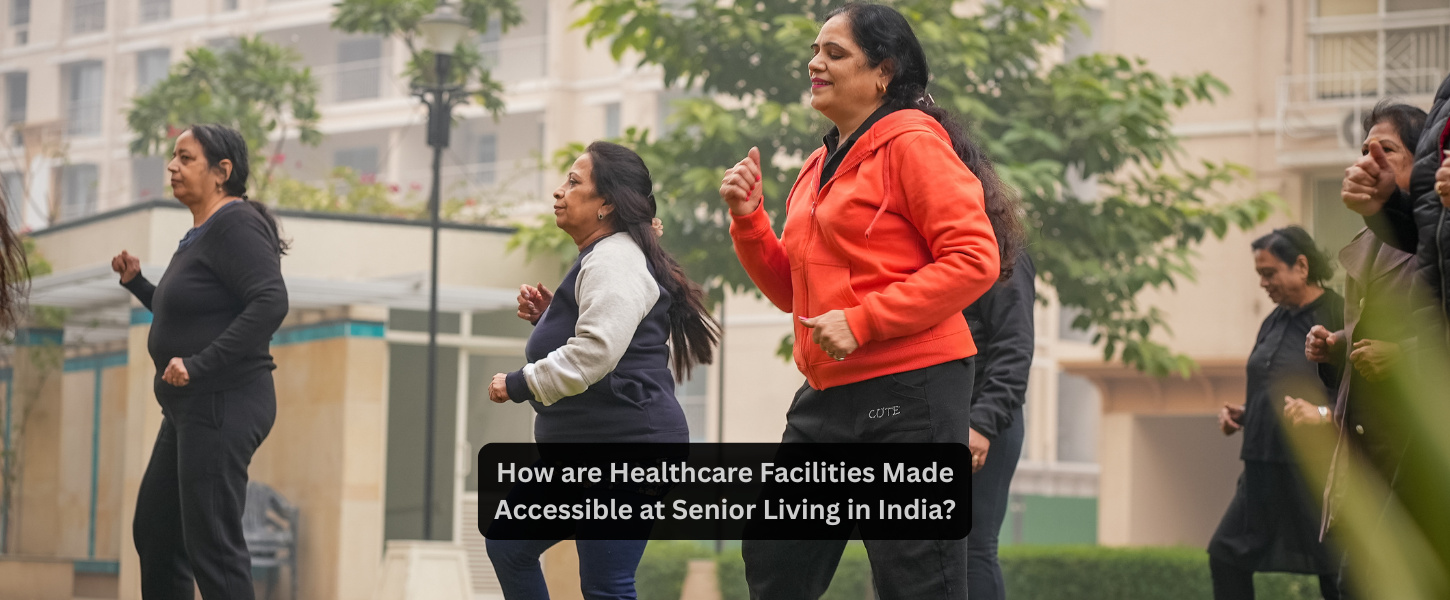

When it comes to senior health, every second matters. A delay in noticing a symptom, a late ambulance, a missed medication, or a postponed screening can shift a manageable condition into a critical one. For many older adults living in traditional neighbourhoods, this delay is often unavoidable as healthcare depends on availability, proximity, family support and unpredictable response systems. And as families become smaller, busier and more scattered, dependence on external help becomes riskier.
That’s exactly why senior living communities are reimagining what “accessible healthcare” means. Here, care doesn’t wait to be called; instead, it is built into daily living. Nurses are on site, ensuring regular monitoring and acting as first responders; emergency teams are trained and prepared, cutting down the time between distress and treatment; diagnostic services come directly to the doorstep, avoiding the hassle of travel and long queues; and wellness programs, open green spaces and fitness areas work quietly in the background to reduce illness before it begins. Instead of reacting to health problems, these communities create an ecosystem that anticipates them.
Today, in this blog, we will explore how modern senior living communities in India are designing and delivering healthcare that older adults can depend on, not just when something goes wrong, but every single day.
Accessibility begins with thoughtful design that not only reduces barriers to movement but also ensures timely medical response in senior living communities. When areas are step-free and supported by gentle ramps, residents using walkers or wheelchairs can move safely and confidently, which naturally lowers the risk of falls and minimizes delays during emergencies. This seamless movement is further supported by wider corridors and doorways that allow stretchers and medical equipment to pass through swiftly, ensuring help reaches residents without obstruction.
To prevent everyday accidents that could complicate health needs, slip-resistant flooring, adequate lighting and clear signage work together to create safer pathways that guide residents clearly and securely. Within this environment, accessible washrooms fitted with grab rails in private and shared areas empower older adults to manage daily tasks independently, reducing the need for constant assistance while maintaining safety.
Such built-in infrastructure reduces friction when healthcare teams need to examine or transport a resident.
On-site primary care and nursing support make healthcare more immediate and reassuring for seniors living in these communities, as most facilities today provide trained in-house medical personnel who are easily accessible when needed. With staff nurses available round-the-clock, residents receive continuous monitoring of vitals, timely medication administration, wound dressing, and quick first response during emergencies, reducing dependence on external help.
This everyday support is complemented by scheduled visits from primary care physicians or geriatricians, who handle routine check-ups, chronic disease management and medication reviews, ensuring that evolving health needs are addressed before they escalate. When short-term observation or urgent assessment is required, in-house day-care clinics and observation bays allow medical teams to monitor seniors with acute but stable conditions for a few hours, eliminating the need for immediate and often stressful hospital transfers.
Together, these in-house clinical services significantly reduce waiting times, support early detection of health concerns and provide care in a familiar, comforting environment, making hospital visits less frequent and far less stressful for residents and their families.
Emergency preparedness and rapid response are crucial in senior living communities, where timely action can make a significant difference in critical situations.To support this, facilities build layered systems of protection, beginning with emergency call buttons placed at strategic locations across resident rooms, corridors and common areas, enabling seniors to summon help instantly when they feel unwell or unsafe.
This technology works hand in hand with trained first responders stationed on-site, who can perform CPR, stabilise residents and coordinate ambulance transfers, ensuring immediate professional care before hospital intervention. Preparedness is further strengthened through clearly defined emergency protocols and regular drills that help both staff and residents understand exactly where to go and whom to contact, preventing confusion during critical moments.
Completing this system, connectivity with nearby hospitals allow priority admissions or direct transfer pathways, helping residents receive specialised treatment quickly and reducing delays that could impact outcomes. Together, these measures build a reliable, rapid-response ecosystem that protects seniors when every second counts.
Preventive care and wellness programming in senior living communities go beyond treating illness. They focus on reducing its likelihood by combining medical vigilance with nature, movement and community living. Residents benefit from regularly scheduled screening camps for vision, hearing, cardiac risk factors, diabetes and other common age-related concerns, all organized within the community so that health check-ups become convenient and routine.
To support a healthy lifestyle, the campus offers open green spaces, landscaped gardens and walking paths where seniors can enjoy fresh air and gentle strolls- environments shown to reduce stress and improve mental well-being. For more active wellness, there are on-site gyms, yoga lawns, and organized group exercise or yoga sessions, complemented by nutrition counselling and cognitive-stimulation programmes, encouraging physical, mental and social health. Social clubs and hobby zones foster interaction and help reduce isolation, making wellness a shared and pleasant daily experience.
By combining preventive medical care with opportunities for movement, relaxation, socialising and close-to-nature living, these communities make prevention a natural part of everyday life, significantly lowering the need for acute interventions while keeping healthcare support accessible and holistic.
At Ashiana Senior Living, accessible healthcare is woven into the way our communities are planned, built and lived in. For us, healthcare is a continuum that combines thoughtful design, proactive prevention, on-site medical support, emergency readiness and strong partnerships with nearby hospitals and specialists.
Every element of our ecosystem is created to ensure that seniors receive care that is timely, dignified and easy to access. Wellness begins in our open green spaces, gyms and yoga lawns, strengthens through screenings and vaccination drives, and is supported every day by trained nurses, clinical facilities and customised emergency response systems. And when external care is required, our tie-ups with reputed hospitals make the journey seamless and stress-free for residents and their families.
By keeping healthcare close, approachable and dependable, we enable older adults to live with confidence and independence and give families the reassurance that their loved ones are not only well cared for, but truly supported at every stage of aging.