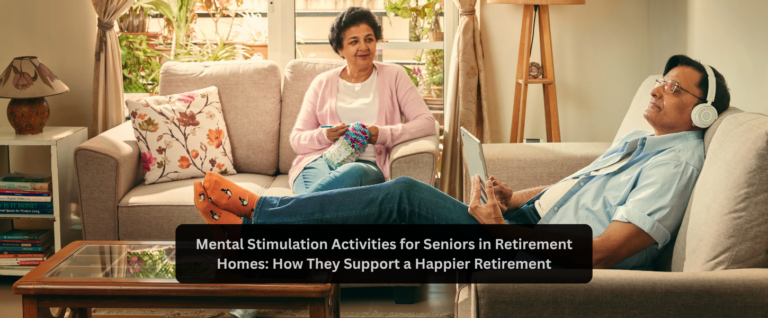
Mental Stimulation Activities for Seniors in Retirement Homes: How They Support a Happier Retirement
Retirement can bring something often difficult to find during working years: time. Time to pursue interests, meet people,...
Read More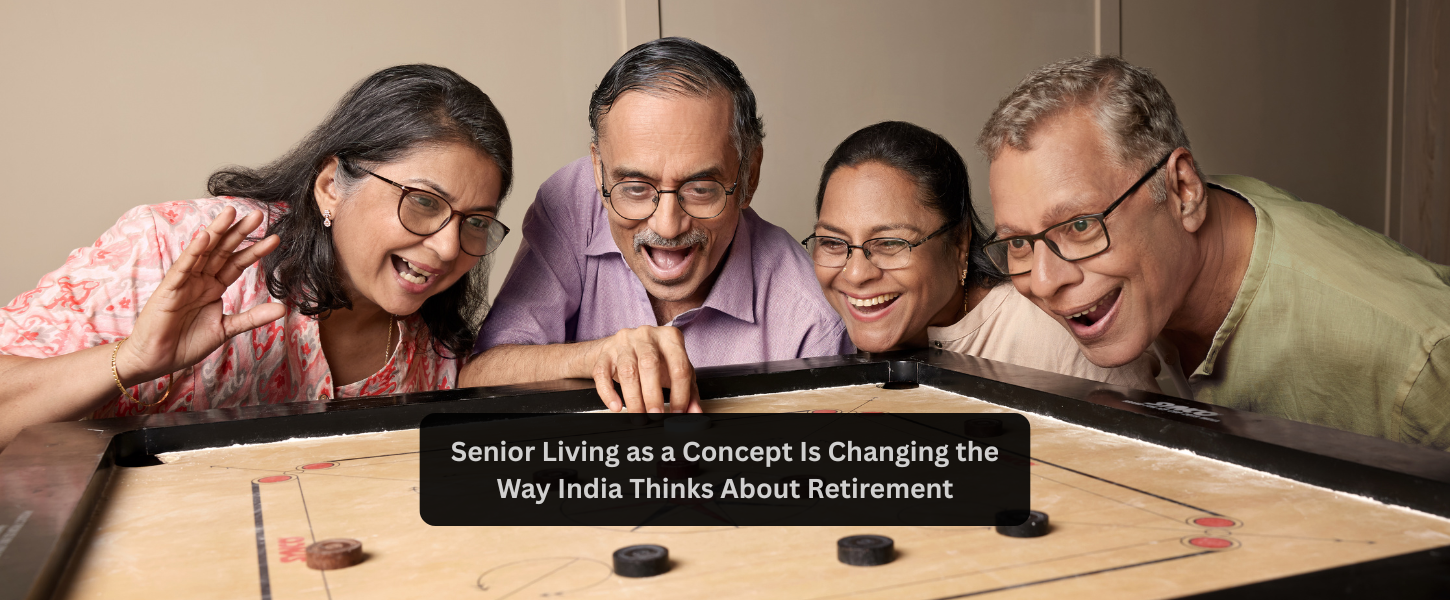

For a long time, retirement in India followed a familiar script: stop working, remain in the family home, and depend increasingly on children as the years progressed. But today’s seniors are challenging that idea. Many are financially independent, socially active, health conscious, and keen to retain control over how they spend their time. This changing mindset is bringing senior living into conversations about lifestyle and retirement planning.
The shift is particularly relevant in metropolitan regions such as Chennai, where access to healthcare, established social infrastructure, connectivity, and organised residential development can support a more independent retirement. Rather than asking where seniors should live when they need assistance, families are beginning to ask where they can live well for longer.
One of the biggest barriers to senior living in India has been perception. Senior communities are still sometimes associated with institutional facilities meant primarily for people who cannot live independently.
Modern retirement living takes a different approach. The objective is to provide residents with their own space and independence while reducing some of the practical challenges of managing a conventional home.
Age friendly design, professional maintenance, emergency support, wellness facilities, recreational spaces, and an active social environment can make everyday life easier without taking away personal freedom.
That distinction is central to understanding why retirement housing is evolving.
Where you retire can influence how comfortably you age. Healthcare is important, but so are connectivity, social engagement, daily conveniences, safety, and access to activities.
Chennai brings several of these factors together. Its established healthcare ecosystem gives seniors access to hospitals and specialists, while its metropolitan infrastructure keeps residents connected to shopping, entertainment, cultural spaces, airports, and other everyday services.
At the same time, residential development beyond the city’s busiest urban pockets is creating opportunities for seniors seeking a calmer environment without disconnecting completely from Chennai.
For families whose children live elsewhere in India or abroad, living within reach of a major city can also make travel and family visits more practical.
Imagine retirement in a conventional independent home. The house may be familiar and comfortable, but maintenance, repairs, security, domestic help, and everyday upkeep can gradually demand more time and effort.
Now consider an environment where many of these responsibilities are professionally managed.
This is where independent senior living offers a different proposition. Seniors can continue managing their own schedules while spending less time worrying about property maintenance and daily operational concerns.
The result is not necessarily a slower lifestyle. For many residents, having fewer household responsibilities creates more time for hobbies, exercise, travel, friendships, and family.
Leaving the workplace often means losing a major source of regular social interaction. Friends may live across different parts of the city, children may relocate for careers, and opportunities to meet people naturally can decline.
Senior living communities address this differently by making social interaction part of the residential environment.
A morning walk may lead to a conversation with neighbours. An evening could involve a cultural programme, a hobby group, a game, or a fitness session. Festivals and community activities create occasions for residents to participate without needing to travel extensively.
For active senior living, this social ecosystem can be just as important as the physical infrastructure.
The needs of a 40 year old homeowner and a 70 year old resident are not always the same, yet conventional homes are rarely designed with ageing in mind.
Good senior focused housing considers everyday details such as easy movement, accessible bathrooms, safer flooring, convenient common spaces, pedestrian friendly pathways, and emergency preparedness.
The objective is simple: the environment should adapt to residents rather than forcing residents to continually adapt to the environment.
This approach is gradually changing expectations around retirement homes India, placing dignity, comfort, and independence at the centre of residential design.
Retirement does not automatically mean reducing activity. In fact, having greater control over time can create opportunities to develop healthier routines.
An elderly lifestyle centred around wellness might include morning yoga, walking, swimming, gardening, reading, cultural programmes, indoor games, fitness activities, or simply spending time with friends.
The important difference is accessibility. When opportunities for recreation and interaction exist within the community, participating in them becomes easier.
This is one reason retirement communities in India are increasingly being evaluated on the quality of everyday experiences they create, not simply on the homes they provide.
The emergence of purpose built retirement communities around Chennai illustrates how the sector is becoming more organised. Ashiana Housing, for example, has established a presence in senior living in the Chennai region, reflecting a broader industry shift towards communities where age friendly design, wellness, security, social engagement, and independent lifestyles are considered together.
Such developments also demonstrate an important change in the market: senior housing is increasingly being planned proactively for people choosing their retirement lifestyle, rather than only reactively for those who require care.
Specifications tell only part of the story. A clubhouse, landscaped garden, or activity calendar may look impressive on paper, but the everyday functioning of the community matters more.
Spend time at the property and observe whether residents actually use the common spaces. Understand healthcare and emergency arrangements, maintenance services, security, meal options, accessibility, and recreation opportunities.
Most importantly, consider future requirements. A suitable community should support independence now while providing enough flexibility for changing needs later.
India’s retirement conversation is moving beyond the assumption that ageing automatically means dependence. Seniors increasingly want autonomy, social connections, wellness, safety, and freedom from unnecessary household responsibilities.
For Chennai, this changing mindset creates an opportunity to develop a stronger ecosystem around retirement living, supported by the advantages of a major metropolitan region.
The rise of senior living represents a bigger change in how India views retirement. It shifts the conversation from managing old age to designing a fulfilling next chapter.
The most important takeaway for families is to plan retirement around lifestyle as carefully as they plan finances. Healthcare and security matter, but so do friendships, independence, everyday activity, and having an environment that remains comfortable as needs evolve.
Ultimately, the growing acceptance of senior living suggests that retirement in India is becoming less about stepping away from life and more about choosing how to live it.
What is senior living?
Senior living refers to age friendly communities designed to support independent, active, secure, and socially connected retirement lifestyles.
How is senior living different from traditional old age homes?
Modern senior living focuses on independence, wellness, community engagement, and lifestyle, while also providing support when required.
Why is Chennai suitable for senior living?
Chennai offers strong healthcare infrastructure, good connectivity, everyday conveniences, and growing options for organised retirement living.
What amenities should senior living communities offer?
They should provide age friendly infrastructure, security, emergency support, wellness facilities, recreational spaces, and opportunities for social interaction.
When should families consider senior living?
It is best considered proactively while seniors are independent, allowing them to choose a community that supports their present lifestyle and future needs.