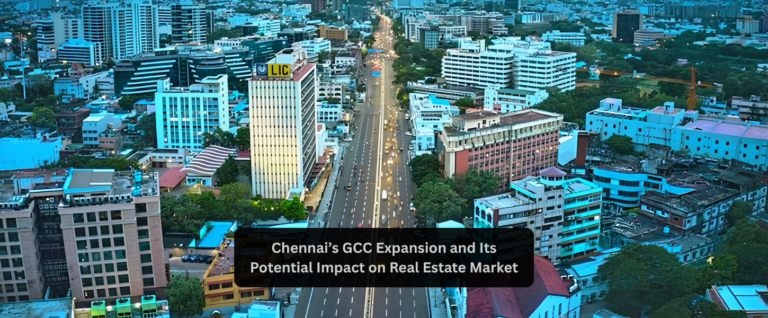
Chennai’s GCC Expansion and Its Potential Impact on Real Estate Market
Chennai has long been recognised for its strong manufacturing, automobile, IT, healthcare, financial services, and engineering sectors. In...
Read More

The landscape of aging in India has undergone a quiet but profound revolution. Just a decade ago, the “family home” was the primary option for our elders; other choices were often viewed with a hint of hesitation.
As we navigate 2026, the conversation has shifted. With India’s senior population projected to reach 230 million by 2036, families are examining the practicalities of aging through a new, more critical lens.
Today, the choice focuses on how to best support a parent’s quality of life. Here is why many Indian families are opting for purpose-built communities over the solitary family home.
In 2026, the traditional perception of “retirement homes” has been successfully replaced by the concept of Senior Living Communities. This didn’t happen overnight; it was the result of a long-term shift toward viewing aging as a period of growth rather than decline. These are now seen as vibrant, high-tech, and social ecosystems that function similarly to boutique resorts.
| Aspect | Aging at Home | Senior Living (2026) |
| Social Life | Relies on family visits or dwindling neighborhood circles. | Integrated social geometry with peers, hobby clubs, and festivals. |
| Safety | Presents “Safety Shadows” like steep stairs and slippery tiles. | Features senior-specific architecture and a 24/7 emergency response system. |
| Maintenance | Requires seniors to manage repairs, bills, and domestic help. | Provides a “Zero-Chore” lifestyle with professional housekeeping. |
| Healthcare | Functions reactively after a medical event occurs. | Offers proactive care with on-site physiotherapy and health monitoring. |
While the sentimental value of a family home is significant, the practical burdens have become increasingly complex in 2026.
The seniors of 2026 prioritize growth and engagement. We see a surge in demand for Continuing Care Retirement Communities (CCRCs) in cities like Bengaluru, Pune, and Chennai.
These communities offer a “Continuum of Care.” A resident moves in while fully independent to enjoy golf greens and theaters, with the assurance that assisted living or memory care is available within the same campus if needed later. This approach removes the obstacles that often hinder a senior’s independence.
Indian families are choosing senior living to protect the parent-child bond. When a child manages a parent’s medical coordination and property maintenance, the relationship can become defined by a “to-do list.”
Moving to a professional community allows the child to return to their original role. Visits focus on genuine connection, shared meals, and quality time, while the community handles the logistics of daily life.
If you are helping your parents weigh their options in 2026, consider these four questions:
Explore senior living communities by Ashiana Housing, a trusted leader in senior living in India, where residents can enjoy a secure, active, and socially connected lifestyle.
In 2026, the best fit is defined by where your parents can be safest, most social, and most supported. Choosing a senior living community is a proactive investment in their vitality, ensuring their next chapter is their most vibrant one yet.
Modern communities have dining halls that offer a wide range of regional cuisines, from traditional South Indian tiffins to North Indian comfort food, all prepared by chefs who balance authentic taste with senior-specific nutrition (low oil/salt). Furthermore, festivals like Diwali, Holi, and Onam are celebrated with a scale and community spirit that is often impossible to replicate in a solitary apartment or bungalow.
This is a primary reason for the popularity of Continuing Care Retirement Communities (CCRCs). These campuses allow one spouse to participate in active sports or hobby clubs while the other receives specialized assisted living or physiotherapy on the same premises. It keeps couples together in the same community while ensuring both receive the specific level of care they require.
When families perform a “Maintenance Audit,” they often find that senior living is a smart financial consolidation. Staying at home involves fragmented costs: 24/7 security, domestic help, cook’s wages, rising utility bills, and expensive ad-hoc home repairs. Senior living bundles these into a predictable monthly fee that also includes premium amenities like clubhouses, pools, and on-call medical staff, often offering better value for a higher quality of life.
Absolutely. In 2026, senior living is about “Right-Sizing,” not just downsizing. Residents are encouraged to bring their cherished furniture, artwork, and tally marks of their history to furnish their private apartments. The goal is to create a space that feels like “home” from day one, but without the architectural barriers (like stairs or high-threshold bathrooms) of their previous house.