





Children’s Day Special: 7 Little Things That Make a Big Difference in a Child’s Life at Home
The Story Behind Children’s Day Every year on 14 November, India celebrates Children’s Day on the birth anniversary…
6 min read
Read more
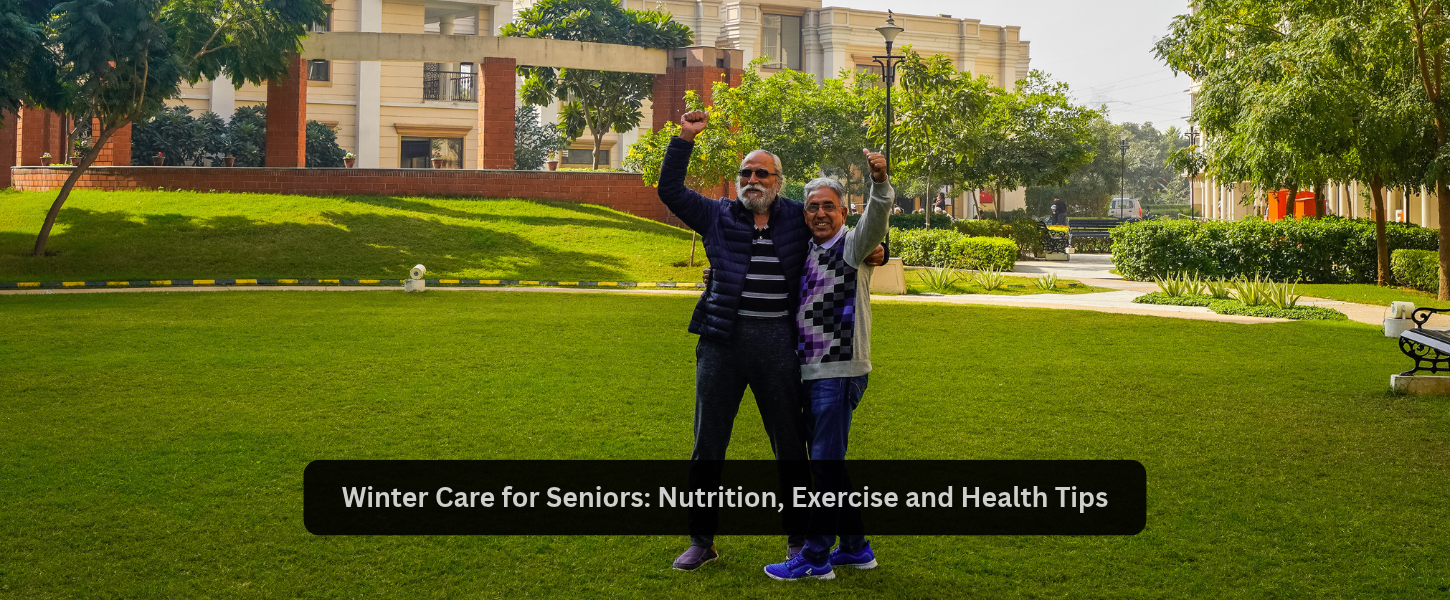
Winter brings a welcome change of pace, with cooler mornings, cosy evenings, and more opportunities to enjoy time indoors. However, for older adults, the season may also bring certain health and lifestyle challenges. Colder temperatures, reduced physical activity, seasonal illnesses, and changes in daily routines can influence both physical and emotional well-being.
This is why winter care for seniors should go beyond staying warm and eating nutritious meals. A holistic approach focuses on nurturing the body, supporting emotional health, maintaining social connections, and creating a safe, comfortable living environment.
With thoughtful everyday habits and appropriate support, seniors can continue to lead active, fulfilling, and independent lives throughout the winter months.
As people age, their bodies may become more sensitive to temperature changes. Age-related changes in circulation, mobility, immunity, and temperature regulation can make winter routines more challenging for some older adults.
However, physical health is only one aspect of overall wellness.
Shorter days, limited opportunities to spend time outdoors, and reduced social interaction can also affect mood, motivation, and daily engagement. Seniors who spend more time indoors may find themselves becoming less physically active or socially connected.
A holistic approach to winter care recognises the relationship between physical, mental, emotional, and social well-being.
It encourages seniors to maintain a balanced lifestyle that includes nutritious food, regular movement, restful sleep, meaningful relationships, preventive healthcare, and activities that bring enjoyment and purpose.
Good nutrition plays an important role in supporting energy levels, muscle strength, immune function, and overall health throughout the year.
During winter, warm and nourishing meals can bring additional comfort while helping seniors maintain a consistent eating routine.
A balanced winter diet can include:
Rather than focusing on restrictive diets, seniors should aim for variety, balanced portions, and regular mealtimes.
Those managing diabetes, kidney conditions, digestive concerns, or other medical needs should follow dietary recommendations from their healthcare professionals.
Staying physically active is an essential part of healthy ageing. Regular movement can help seniors maintain muscle strength, flexibility, balance, mobility, and confidence in everyday activities.
However, colder weather may discourage outdoor walks and other familiar forms of exercise.
A holistic approach to winter care for seniors encourages movement that is enjoyable, manageable, and suited to individual abilities.
Suitable activities may include:
Winter wellness is not limited to physical health. Emotional well-being is equally important in helping seniors feel comfortable, motivated, and connected.
Spending more time indoors may reduce opportunities for social interaction and participation in favourite activities. For some older adults, this change in routine may contribute to feelings of loneliness, boredom, or low mood.
Creating space for enjoyable and meaningful experiences can help maintain emotional balance. Seniors can consider activities such as reading, listening to music, painting, knitting, playing board games, solving puzzles, or exploring creative hobbies.
Practices such as mindfulness, gentle meditation, and relaxation exercises may also help some individuals manage everyday stress.
Quality sleep contributes to physical recovery, cognitive functioning, emotional well-being, and overall health.
During winter, changes in daylight exposure, physical activity, and daily routines may influence sleep patterns.
Maintaining a consistent sleep schedule can help seniors establish a comfortable rhythm.
Simple habits include going to bed and waking up at regular times, keeping the bedroom comfortably warm, avoiding excessive caffeine late in the day, and creating a calming bedtime routine.
A supportive living environment is another important aspect of holistic winter care.
Older adults may be more sensitive to cold temperatures, particularly if they have existing health conditions or reduced mobility.
Wearing comfortable layers, warm socks, and appropriate footwear can help maintain body warmth. Clothing should allow easy movement without creating discomfort. Indoor spaces should be kept at a comfortable temperature while allowing adequate ventilation.
Home safety also deserves attention during winter, when reduced daylight and slippery surfaces may increase certain risks.
Meaningful social interaction is an important part of healthy ageing.
Winter may naturally lead to more time indoors, but this does not have to mean reduced engagement with others.
Staying connected with family, friends, neighbours, and the wider community can support emotional well-being and provide a sense of companionship and belonging.
Regular conversations, shared meals, family gatherings, hobby sessions, cultural celebrations, and group activities can create opportunities for positive interaction.
Preventive healthcare is an essential part of winter care for seniors, especially for those managing chronic health conditions. Cold weather and seasonal respiratory infections may create additional concerns for some older adults.
Maintaining regular medical appointments and following prescribed treatment plans can help seniors manage their health throughout the season.
Important aspects of winter healthcare include:
Holistic well-being also involves maintaining a sense of purpose and enjoyment.
Winter can be an opportunity for seniors to explore hobbies, reconnect with interests, and participate in meaningful experiences at a comfortable pace.
Activities such as tending indoor plants, preparing favourite recipes, sharing family stories, learning a new skill, volunteering in suitable ways, or participating in cultural and spiritual activities can bring a sense of fulfilment.
Spending time in safe outdoor environments during pleasant daylight hours may also provide a refreshing change of surroundings.
At Ashiana Senior Living, the focus is on creating an environment where seniors can enjoy a balanced, active, and fulfilling lifestyle year-round, including the winter months.
From opportunities for physical activity and social engagement to community interactions and recreational experiences, the senior living environment encourages residents to stay connected, engaged, and independent.
During winter, access to shared spaces, indoor activities, and a supportive community can help seniors maintain their routines while enjoying companionship and everyday comfort.
This holistic approach to senior living recognises that well-being extends beyond physical health. Emotional wellness, meaningful relationships, personal independence, and a sense of belonging are equally important in helping seniors embrace the season with confidence and joy.
A holistic approach to winter care for seniors recognises that healthy ageing is about more than preventing illness or managing physical needs.
It is about creating an environment where older adults feel physically comfortable, emotionally supported, socially connected, mentally engaged, and confident in their daily lives.
Balanced nutrition, gentle exercise, hydration, restful sleep, preventive healthcare, and a safe home environment form the foundation of winter wellness. Equally important are meaningful relationships, enjoyable activities, personal independence, and a sense of purpose.
Families, caregivers, and senior living communities can contribute by creating supportive routines that respect each senior’s individual needs and preferences.
With thoughtful planning and simple daily habits, winter can be a season not only of comfort and care, but also of connection, engagement, and continued well-being.
Holistic winter care focuses on an older adult’s overall well-being rather than physical health alone. It includes balanced nutrition, regular movement, emotional wellness, social engagement, quality sleep, preventive healthcare, safety, and personal independence.
Important practices include dressing warmly, eating nutritious meals, staying hydrated, remaining physically active, attending recommended healthcare appointments, maintaining social connections, and ensuring that the home environment is safe and comfortable.
Seniors can include seasonal vegetables, fruits, whole grains, pulses, dairy or suitable alternatives, and adequate protein sources in their meals. Warm preparations such as soups, dal, khichdi, and porridge can be comforting and nutritious. Individual dietary needs should always be considered.
Staying connected with loved ones, pursuing hobbies, participating in social activities, maintaining a comfortable daily routine, and practising relaxation techniques may support emotional well-being. Persistent changes in mood should be discussed with a healthcare professional.
Gentle indoor walking, chair exercises, stretching, light strength training, and suitable yoga or mobility exercises can help maintain movement. Activities should be selected according to physical ability and medical guidance.
The Story Behind Children’s Day Every year on 14 November, India celebrates Children’s Day on the birth anniversary…
Choosing a home is about much more than selecting an apartment. The neighbourhood you choose can influence your…
Jaipur’s transformation from a traditional Tier-2 city into a growing residential and commercial destination has made the city…