The Future of Urban Living: Why Community-Focused Homes Matter
Square footage, location, and specifications remain important considerations when choosing a home. But increasingly, the decision doesn’t end...
Read More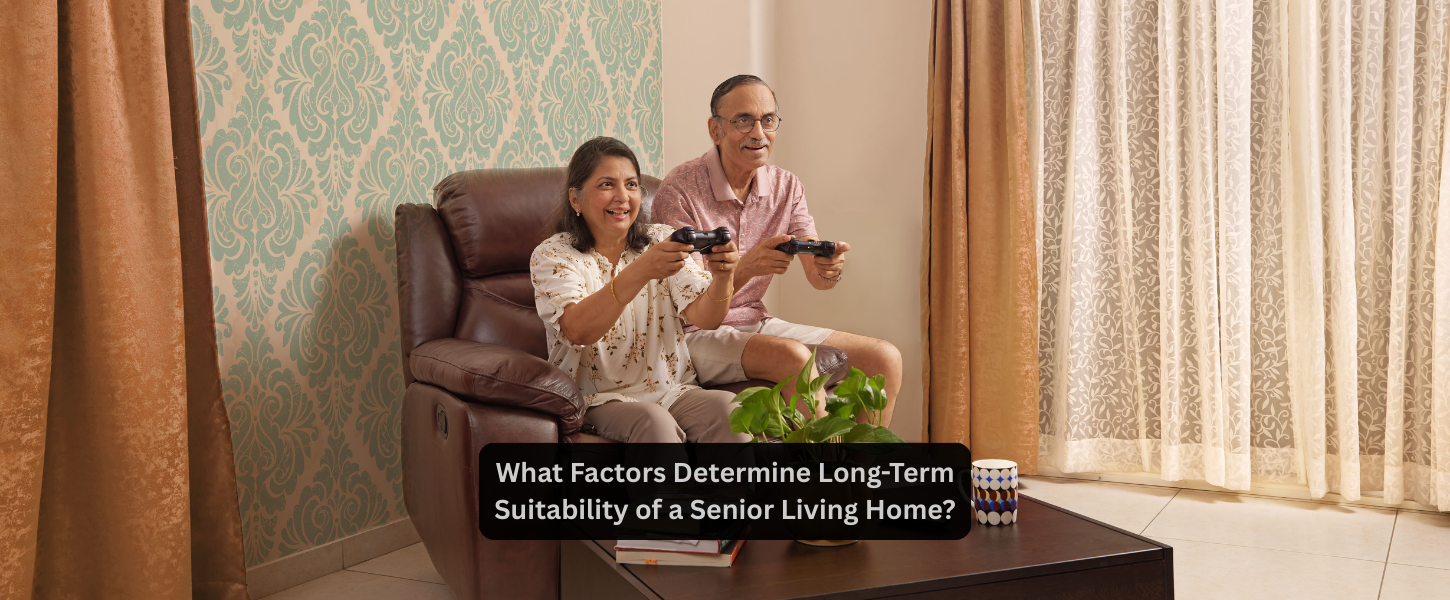

Choosing a senior living home is not a short-term decision. It is a choice that affects comfort, independence, emotional well-being, and peace of mind for many years. While location and amenities often attract initial attention, long-term suitability depends on deeper factors that support evolving needs.
As life expectancy increases and family structures evolve, seniors are seeking spaces that adapt to them rather than restrict them. Understanding what truly makes a senior living home suitable in the long run helps individuals and families make thoughtful, future-ready decisions.
Senior living is not about immediate convenience alone. It is about choosing a space that continues to support dignity, comfort, and confidence over time.
Homes that adapt to physical changes, support emotional health, and simplify daily living remain suitable longer. Thoughtful planning today helps avoid difficult decisions later.
By focusing on long-term suitability rather than short-term appeal, seniors and families can make choices that support a fulfilling and secure future.
One of the most important factors in long-term suitability is how well a senior living home supports different stages of ageing. Needs at sixty are not the same as needs at 75 or 80.
A suitable senior living environment enables residents to live independently for as long as possible while providing support when needed. Thoughtful layouts, barrier-free movement, and accessible design play a significant role in reducing daily effort and maintaining dignity.
Homes that anticipate future mobility needs reduce the stress of relocation later. When seniors can age in place without frequent adjustments, it fosters emotional stability and confidence.
Long-term comfort is closely tied to how manageable daily life feels. Over time, routine tasks such as housekeeping, maintenance, and meal planning can become physically tiring.
Senior living homes that simplify everyday responsibilities enable residents to focus on wellness, hobbies, and meaningful engagement. Predictability in daily support systems brings reassurance and reduces mental fatigue.
When daily living feels smooth and organised, seniors experience a stronger sense of control over their lives.
Emotional comfort is often underestimated when assessing long-term suitability. Living alone for extended periods can lead to feelings of isolation, even when physical needs are met.
A senior living home should offer opportunities for social interaction without pressure. Shared spaces, group activities, and informal gatherings allow relationships to form naturally over time.
The freedom to participate or withdraw based on personal preference helps maintain emotional balance. Over the years, these interactions have contributed significantly to happiness and mental well-being.
Safety is not just about emergency response. It is about creating an environment where residents feel secure enough to move freely and live independently.
Features such as controlled access, trained staff, and prompt assistance systems help reduce anxiety for both seniors and their families. Over the long term, this sense of safety encourages residents to stay active and engaged.
A senior living home that prioritises safety consistently rather than reactively becomes a reliable space for ageing with confidence.
Long-term suitability also depends on how wellness is supported daily. Wellness extends beyond medical care to include physical activity, mental stimulation, and emotional balance.
Homes that encourage movement through walking areas, exercise spaces, and wellness routines help seniors maintain strength and flexibility. Preventive health check-ups and easy access to medical support reduce the risk of sudden health disruptions.
A focus on preventive wellness supports healthier ageing and reduces dependency over time.
The location of a senior living home plays a vital role in long-term comfort. A peaceful environment supports relaxation and recovery, while good connectivity ensures access to healthcare, family, and essential services.
Homes located in quieter neighbourhoods with access to urban infrastructure strike this balance well. Over the years, this balance has become increasingly important as travel preferences change.
A location that offers calm without isolation supports both emotional and practical needs.
Design influences how comfortable seniors feel in their living space. Long-term suitability improves when homes feel familiar rather than institutional.
Warm interiors, natural light, open spaces, and thoughtful planning help residents feel at ease. When a living space reflects everyday lifestyles rather than clinical design, it supports emotional comfort and dignity.
Design that respects cultural preferences and daily habits contributes to a sense of home rather than adjustment.
A suitable senior living home allows residents to make choices about how they live their days. Flexibility in routines, activities, and personal space supports individuality.
Over time, the freedom to adapt daily schedules and interests helps residents feel empowered. This sense of choice becomes more valuable as priorities shift with age.
Homes that support flexibility rather than rigid routines remain suitable for longer periods.
Another important factor is the developer’s experience and philosophy. Long-term suitability depends on consistent maintenance, reliable services, and a clear understanding of senior needs.
Developers with experience in senior living are more likely to anticipate challenges and evolve services over time. This continuity builds trust and reassurance for residents and families alike.
Swarang, an upcoming senior living project in Chennai by Ashiana Housing Limited, reflects a thoughtful approach to long-term suitability. Located in a calm yet well-connected area, Swarang is designed to support seniors through different life stages.
The project focuses on ease of movement, wellness-oriented spaces, and daily living support that reduces effort. Attention has been given to creating an environment that feels familiar, comfortable, and adaptable.
By prioritising safety, wellness, and emotional well-being alongside independence, Swarang aligns with seniors’ needs not just today but in the years ahead.
Long-term suitability in a senior living home is shaped by much more than present-day comfort. It depends on how well the space evolves with changing physical needs, emotional priorities, and lifestyle expectations over the years. A thoughtful senior living choice supports independence while offering reassurance, safety, and predictability.
When daily living feels manageable and dignity remains intact, seniors are better able to enjoy this stage of life with confidence. Evaluating long-term suitability helps individuals and families move beyond short-term convenience and focus on lasting comfort, stability, and peace of mind.