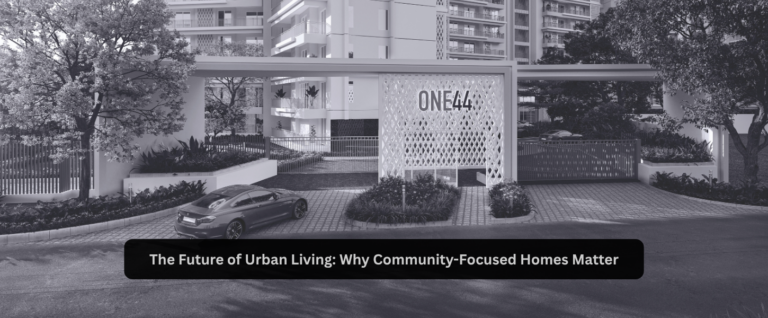
The Future of Urban Living: Why Community-Focused Homes Matter
Square footage, location, and specifications remain important considerations when choosing a home. But increasingly, the decision doesn’t end...
Read More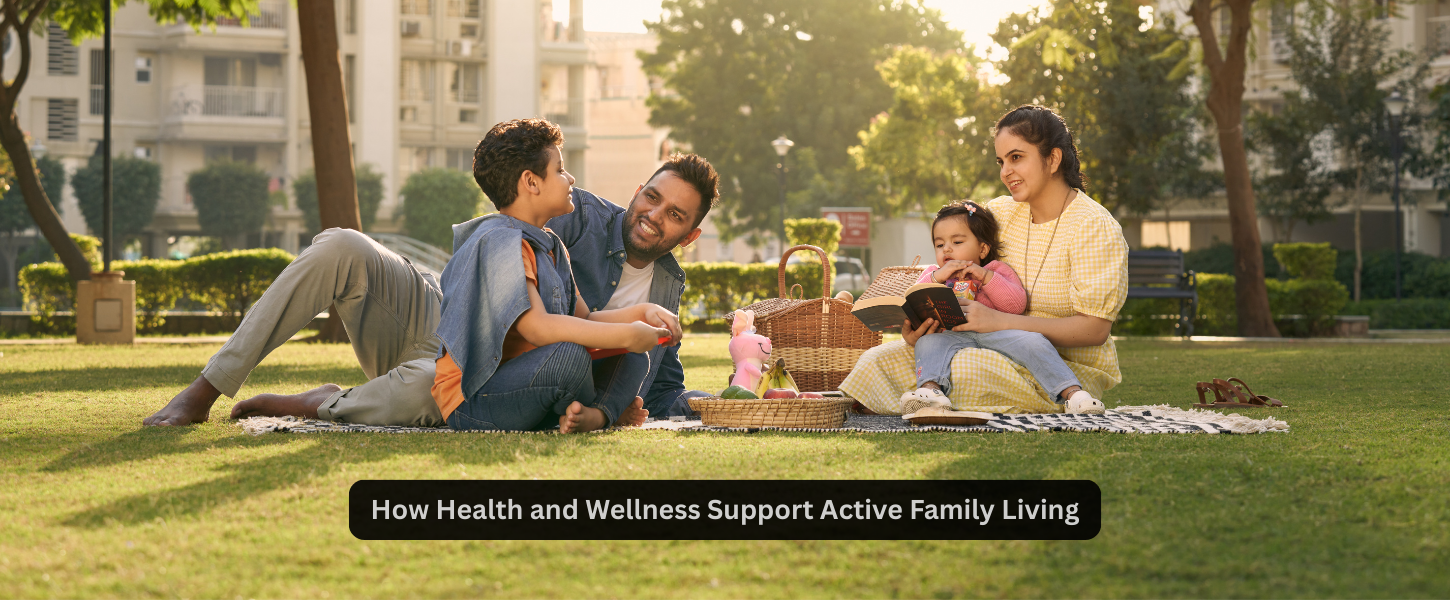

In today’s fast-paced world, families are rethinking what they truly need from their homes. Beyond location and layout, health and wellness have become essential considerations in residential living. For modern families juggling careers, children’s schedules, and personal goals, a home is no longer just a place to return to, it’s a space that shapes routines, habits, and overall well-being.
Thoughtfully planned residential communities now play a vital role in helping families stay active, emotionally balanced, and socially connected, making wellness a part of everyday life rather than an occasional indulgence.
Good Health and well-being go far beyond gym access or weekend activities. In family living, they are reflected in small, consistent moments that influence everyday routines.
When homes are designed to support movement, activity becomes effortless. Children playing outdoors after school, parents choosing evening walks over screen time, or families opting for stairs instead of lifts, these habits develop organically in environments that encourage movement without pressure.
A calm, thoughtfully designed living environment can significantly reduce stress. Natural light, greenery, and open spaces offer working professionals a sense of relief after long days while providing children room to relax and recharge after structured school hours.
Wellness also means creating space for quality time. Shared outdoor areas, community zones, and relaxed environments encourage conversation, play, and togetherness, helping families build stronger emotional connections and a healthier daily rhythm.
The design of a residential community has a direct influence on how active and engaged families can be. Communities built with wellness in mind gently guide residents toward healthier choices.
| Design Element | How It Supports Active Living | Family Benefit |
| Open Green Spaces | Landscaped gardens and lawns bring nature closer and act as informal activity zones for relaxation and play | Encourages outdoor time, reduces stress, and promotes overall well-being |
| Walking and Jogging Tracks | Dedicated paths make daily movement effortless, from morning jogs to evening family walks | Builds healthy routines and supports an active lifestyle for all age groups |
| Safe Children’s Play Areas | Age-appropriate, secure play zones encourage outdoor activity and social interaction | Supports physical growth, confidence, and emotional development in children |
| Fitness and Recreational Facilities | Multipurpose courts and fitness zones cater to varied interests and age groups | Enables shared family activities while supporting individual fitness goals |
True family wellness extends beyond movement and exercise; it includes mental peace, social connection, and emotional security.
Not all residential developments prioritise long-term well-being. Communities that truly support healthy living are thoughtfully planned to focus on comfort, usability, and balance. When wellness is integrated at the planning stage, it naturally influences how residents interact, use spaces, and form daily routines.
Developers like Ashiana Housing are widely recognised for their resident-centric approach. Their focus on open green areas, community-oriented spaces, and lifestyle-driven design supports balanced living across different life stages, especially for growing families seeking comfort, stability, and ease.
Wellness-focused planning works best when it blends seamlessly into daily life. Communities shaped around this philosophy prioritise natural light, fresh air, open layouts, and outdoor access, elements that subtly influence how families move, relax, and connect.
A practical example of this approach can be seen in Ashiana Amaya, a residential community designed with family living at its core.
Open, breathable layouts allow natural light and airflow to enhance daily spaces. Landscaped green zones invite residents outdoors, encouraging movement and relaxation as part of everyday routines. Safe play areas support children’s development, while walking paths and recreational zones give adults opportunities to stay active and unwind, without leaving the community.
Homes that genuinely support good health and well-being do more than offer amenities; they shape habits, relationships, and everyday experiences. For families, living in a thoughtfully planned community can mean more movement, reduced stress, stronger connections, and a greater sense of balance over time.
As residential planning continues to evolve, wellness-focused communities are proving essential for nurturing an active family lifestyle, one where physical health, mental peace, and family togetherness grow side by side.