
The Future of Urban Living: Why Community-Focused Homes Matter
Square footage, location, and specifications remain important considerations when choosing a home. But increasingly, the decision doesn’t end...
Read More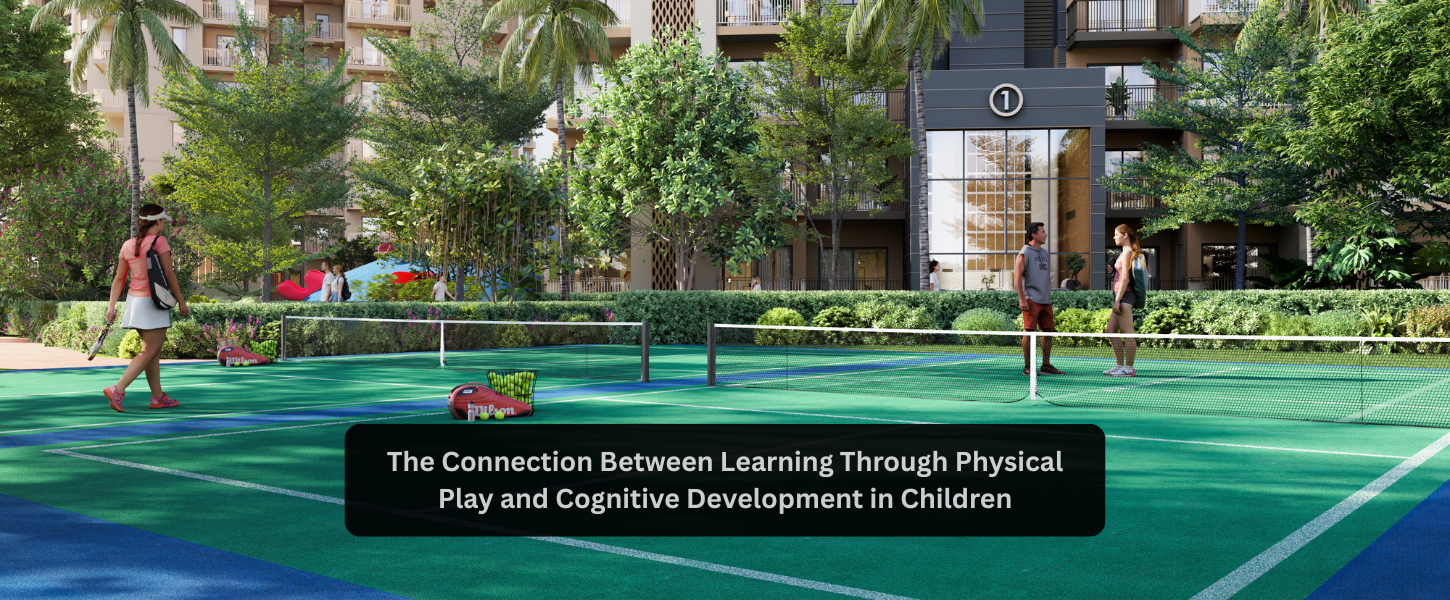

Every parent wants to give their child the best start in life. While academics are important, learning doesn’t happen only in classrooms. Some of the most valuable lessons take place on a playground, a sports court, or during a simple game of tag. Activities that involve physical play do much more than keep children active; they play a vital role in cognitive development, helping children think, solve problems, make decisions, and interact confidently with others.
As children jump, climb, run, and play, their brains are constantly processing information. They assess situations, adapt to challenges, and learn through experience. This combination of movement and thinking creates a strong foundation for lifelong learning.
Cognitive development refers to how children learn, think, remember, reason, and solve problems. While books and structured lessons contribute to these skills, active play offers practical learning experiences that stimulate the brain in unique ways.
Whether children are navigating an obstacle course, playing football, or inventing games with friends, they are constantly making decisions, understanding rules, and responding to changing situations. These activities strengthen memory, concentration, and critical thinking while making learning enjoyable.
Although they may seem different, physical play and mental play are closely connected.
Imagine a child playing a game of football. While running across the field, they are also predicting their teammates’ movements, planning strategies, making quick decisions, and adjusting their actions based on the game. Similarly, climbing a play structure requires children to judge distances, balance their bodies, and solve movement challenges.
These experiences improve:
When physical movement is combined with active thinking, children develop stronger cognitive abilities naturally.
Many outdoor games encourage teamwork, teaching children lessons that extend far beyond the playground.
Playing in groups helps children learn how to:
These experiences contribute to emotional intelligence while strengthening problem-solving and leadership abilities. They also help children understand that success often comes through collaboration rather than individual effort.
To adults, a child’s play may look like simple fun, but every game offers valuable learning opportunities.
Building a fort, creating imaginary adventures, organising races, or inventing new games encourages children to think creatively, negotiate rules, and overcome challenges. This form of unstructured play nurtures imagination while developing resilience and confidence.
Unlike passive entertainment, active play keeps both the body and mind engaged, making learning a natural part of everyday life.
The skills developed through active play continue to benefit children as they grow.
Regular physical and mental activities help improve:
Children who enjoy opportunities for active play are often better prepared to adapt to new environments and tackle future challenges with confidence.
The environment where children grow has a significant influence on their development. Communities with open spaces, sports facilities, and safe play areas encourage children to stay active and interact with others every day.
This is where thoughtfully designed kid-centric communities make a real difference.
At Ashiana Amarah by Ashiana Housing in Sector 93, Gurgaon, learning extends beyond books and classrooms. Designed around the philosophy of holistic child development, the community offers expansive green spaces, dedicated play zones, sports courts, and activity areas where children can engage in meaningful physical play every day. Combined with structured learning opportunities and thoughtfully planned recreational spaces, Ashiana Amarah creates an environment where movement, creativity, and learning come together naturally.
By encouraging children to play, explore, and collaborate in a safe setting, the community supports both their physical well-being and cognitive development.
The connection between physical play and cognitive development is stronger than ever. Every game, challenge, and shared experience helps children develop essential thinking skills, creativity, confidence, and emotional intelligence.
For parents, choosing a home that supports active learning can have a lasting impact on their child’s growth. Communities like Ashiana Amarah provide thoughtfully designed spaces where children can enjoy the benefits of children’s play, strengthen teamwork, and develop the cognitive skills needed to thrive in an ever-changing world.
How does physical play improve cognitive development in children?
Physical play strengthens memory, concentration, decision-making, problem-solving, and critical thinking by engaging both the body and the brain.
Why is teamwork important for children?
Teamwork helps children build communication, leadership, empathy, cooperation, and conflict-resolution skills while encouraging collaborative learning.
What is the difference between physical play and mental play?
Physical play involves movement and activity, while mental play focuses on thinking, creativity, and problem-solving. Most games combine both, supporting holistic child development.
How does a child’s play contribute to learning?
Child’s play encourages imagination, resilience, creativity, social interaction, and independent thinking, making it an essential part of healthy cognitive development.
How does Ashiana Amarah support children’s cognitive development?
Ashiana Amarah offers green spaces, sports facilities, dedicated play areas, and kid-centric amenities that encourage physical play, teamwork, and learning through everyday experiences.