
Mental Stimulation Activities for Seniors in Retirement Homes: How They Support a Happier Retirement
Retirement can bring something often difficult to find during working years: time. Time to pursue interests, meet people,...
Read More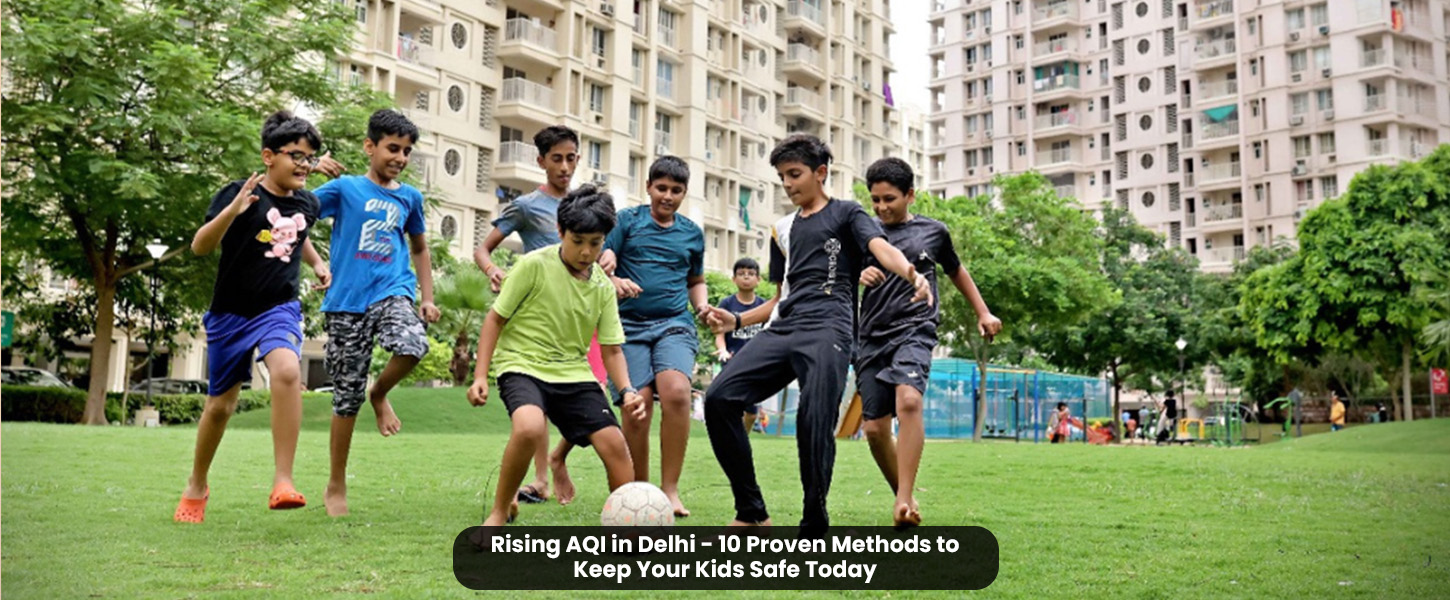

Air quality in Delhi NCR has become a pressing concern, particularly during winter when pollution levels skyrocket. Children are more vulnerable to poor air quality, so parents must proactively safeguard their health. Here’s a comprehensive guide to understanding AQI in Delhi NCR and actionable tips to protect your kids.
The AQI, or Air Quality Index, measures the level of pollutants in the air, including particulate matter, carbon monoxide, and ozone. Due to vehicular emissions, industrial activity, and weather patterns, the AQI in Delhi often reaches hazardous levels, especially during winter.
The AQI in Delhi is severely affected by factors such as crop residue burning in neighboring states, increased vehicle usage, and urban construction dust. Seasonal phenomena like low wind speeds and temperature inversions further trap pollutants, causing the AQI in Delhi to spike to alarming levels.
When the AQI in Delhi NCR reaches “severe” levels, it poses a significant health risk, particularly to children. Prolonged exposure can lead to respiratory issues, weakened immunity, and long-term health complications like asthma or reduced lung function.
When Delhi’s AQI spikes, maintaining clean indoor air becomes crucial, invest in a high-quality air purifier with a HEPA filter to trap pollutants like PM2.5 and PM10. Place purifiers in bedrooms and living areas where children spend most of their time. Regularly clean or replace filters to ensure the purifier works effectively during days with a high AQI in Delhi NCR.
Peak pollution levels are common during early mornings and evenings due to temperature inversions and stagnant air. Since the AQI in Delhi NCR is usually at its worst during these times, encourage your kids to avoid outdoor activities like jogging, cycling, or playing. Staying indoors during such hours reduces exposure to harmful pollutants.
Tracking the AQI in Delhi NCR daily is essential for planning your child’s activities. Use apps like SAFAR, AQICN, or the CPCB AQI tracker for real-time updates. If the AQI in Delhi is moderate, brief outdoor activities may be allowed; however, indoor alternatives should be prioritized if the levels are severe.
On days when stepping outdoors is unavoidable despite a high AQI in Delhi NCR, ensure your child wears a properly fitting N95 or N99 mask. These masks filter fine particulate matter and pollutants that regular cloth masks cannot. Replace masks frequently to ensure their effectiveness, especially during elevated AQI in Delhi.
Nutrition plays a vital role in countering the effects of the rising AQI in Delhi NCR. Include antioxidant-rich foods like oranges, guavas, and spinach in your child’s diet to combat inflammation. Omega-3-rich foods such as walnuts and flaxseeds can also strengthen their respiratory system. Encourage adequate hydration, as it helps flush out toxins caused by the deteriorating AQI in Delhi NCR.

To mitigate the effects of the high AQI in Delhi NCR, surround your home with air-purifying plants like Aloe Vera, Peace Lily, and Snake Plant. These plants help reduce indoor toxins and improve oxygen levels. Even in apartments, small indoor gardens can create a green buffer against the outdoor pollution caused by the rising AQI in Delhi NCR.
School commutes can expose children to peak pollution levels, especially when the AQI in Delhi NCR is at its highest. Consider carpooling, using air-conditioned vehicles, or encouraging the school to reschedule outdoor activities. Talk to school authorities about implementing measures like air purifiers in classrooms to combat the hazardous AQI in Delhi NCR.
During days with severe AQI in Delhi NCR, keep your children engaged indoors with hobbies such as board games, arts and crafts, or indoor sports. Setting up a dedicated play area with clean air ensures they stay active while minimising exposure to the harmful AQI in Delhi NCR.

Respiratory health is at significant risk when the AQI in Delhi NCR remains high. Schedule regular check-ups with a pediatrician to monitor your child for early signs of asthma, bronchitis, or allergies. Discuss preventive measures like flu vaccinations to safeguard their health during periods of hazardous AQI in Delhi NCR.
The rising AQI in Delhi NCR requires a collective approach. Advocate for initiatives like tree-planting drives, stricter vehicle emission norms, and better waste management systems. By supporting community and government efforts, you reduce the AQI in Delhi NCR over the long term. Encourage your child to participate in environmental conservation activities to instill a sense of responsibility.
The AQI levels are categorized as follows:
Stay informed about these levels to make informed decisions for your family’s activities.
High pollution levels can cause:
Children are more vulnerable to air pollution due to their developing immune systems and respiratory functions, which make them less capable of combating harmful pollutants. Their higher breathing rates cause them to inhale more air—and pollutants—relative to their body weight, while their smaller airways and lungs make them prone to significant respiratory distress even with minor exposure. Spending more time outdoors increases their risk of inhaling polluted air, especially during peak AQI hours.
Additionally, prolonged exposure during their formative years can impair lung development, exacerbate asthma and allergies, and even impact cognitive and physical growth, leading to long-term health complications.