




Jaipur Real Estate Outlook 2026-2030: Property Prices, Growth Drivers & Emerging Trends
Jaipur’s transformation from a traditional Tier-2 city into a growing residential and commercial destination has made the city…
7 min read
Read more

Finding the right place to live in your later years is a personal decision. For some, it means moving into a home that offers comfort and independence. For others, it means finding a supportive environment where everyday needs are easier to manage. Whether you are over 50 and planning your next chapter, looking for a home with your spouse, or exploring options for your parents, understanding the available choices is important.
When comparing Senior Living in Chennai with old-age homes, it helps to understand how these two options differ in terms of lifestyle, independence, facilities, and everyday support.
Growing older should never mean putting life on hold; it should mean having the freedom to enjoy it in a way that feels right for you.
Senior living refers to residential communities designed to meet the changing needs and lifestyle preferences of older adults. These communities generally focus on independent living, comfort, convenience, and opportunities to socialise.
For someone aged 50 or above, exploring senior living can be a way to plan ahead rather than wait until a housing need arises. It allows individuals and couples to consider where and how they would like to live in the coming years. Instead of managing a conventional home with all its responsibilities, they may prefer a thoughtfully planned residential environment with accessible spaces and shared amenities.
For families, these communities can also be an option to consider when parents want to maintain their independence while enjoying opportunities to interact with people in a similar stage of life.
Old-age homes provide accommodation for older adults who may need a place to stay, assistance with everyday activities, or a more structured living arrangement. Depending on the facility, services may include meals, housekeeping, personal care, supervision, and access to healthcare support.
Some facilities cater to seniors who require regular assistance, while others accommodate individuals who are able to manage many aspects of daily life independently.
Not every old-age home offers the same services, just as not every senior living community provides medical or personal care. Comparing individual facilities is therefore essential.
Although both options cater to older adults, their approach to daily living can vary.
| Factor | Senior Living Communities | Old-Age Homes |
| Main focus | Independent living, comfort, and community engagement | Accommodation and varying levels of care |
| Independence | Generally encourages residents to manage their own routines | Depends on the resident’s needs and facility |
| Accommodation | Often offers private apartments or residential units | May offer private or shared rooms |
| Social life | May include common areas, group activities, and community events | Depends on the activities and environment provided |
| Daily assistance | May offer selected or optional support services | May provide meals, housekeeping, and personal care |
| Lifestyle | Often designed around independence and an active lifestyle | May focus on accommodation, care, or a combination of both |
| Suitable for | Seniors planning ahead, independent individuals, couples, and families exploring housing options | Seniors seeking accommodation and, where available, additional care |
The right choice depends on personal preferences, health requirements, lifestyle, and the level of assistance needed.
Before making a decision, compare the overall cost, maintenance charges, available services, security arrangements, healthcare access, and agreement terms. Visiting the premises and speaking with residents can also give you a better understanding of everyday life there.
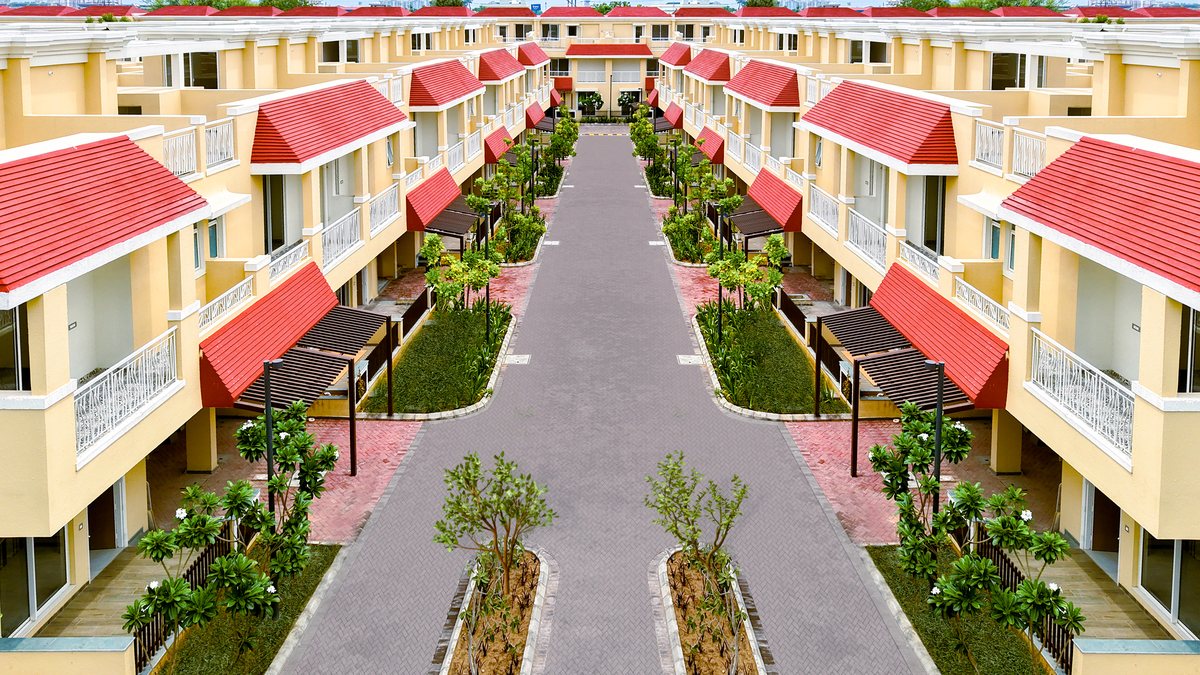
When exploring senior living options, factors such as comfortable apartments, landscaped green spaces, and opportunities for social interaction can help individuals and families make an informed decision. Modern senior-focused communities are increasingly bringing these elements together to create an environment where residents can enjoy their independence while staying connected with others.
Developments such as Swarang by Ashiana Housing, with features like low-rise residences, landscaped gardens, water bodies, and dedicated outdoor activity areas, reflect this approach to senior living. Spread across approximately 10.8 acres, the project offers 1 BHK, 2 BHK, and 3 BHK apartments, providing different living options to suit individual preferences.
Whether you are planning for yourself or exploring options for your parents, considering communities that balance privacy, green surroundings, and social engagement can help you find a home suited to your next chapter.
Ultimately, the difference between senior living and an old-age home comes down to what makes you feel comfortable, supported, and fulfilled. Take the time to understand your priorities, explore the available options, and choose an arrangement that fits your needs today and in the years ahead.
Because home is not just where you live; it is where you continue to find happiness, build connections, and make every stage of life meaningful.
Senior living communities generally focus on independent living, comfort, and social engagement, while old-age homes may provide accommodation alongside varying levels of daily assistance and care. The actual facilities depend on the individual property.
There is no universal age for planning senior living. People aged 50 and above may start exploring options to prepare for their future housing needs, lifestyle preferences, and long-term comfort. Eligibility requirements vary between communities.
Yes, senior living can be suitable for couples who want to enjoy their independence while having access to shared amenities and opportunities for social interaction. They should check apartment options, available services, and community facilities before making a decision.
Not all senior living communities provide medical care or round-the-clock assistance. Some may offer selected healthcare services, while others may require residents to arrange medical support independently. Always confirm the available facilities and emergency procedures.
Consider your preferred lifestyle, level of independence, healthcare needs, budget, location, and social preferences. Visit shortlisted properties, compare their facilities and costs, and review the services included before making a decision.
Jaipur’s transformation from a traditional Tier-2 city into a growing residential and commercial destination has made the city…
The Gurgaon real estate market has evolved significantly over the past decade. Once primarily recognised as a corporate…
Mumbai’s property market has always operated under a different set of rules. Limited land, high population density, a…