
Chennai’s GCC Expansion and Its Potential Impact on Real Estate Market
Chennai has long been recognised for its strong manufacturing, automobile, IT, healthcare, financial services, and engineering sectors. In...
Read More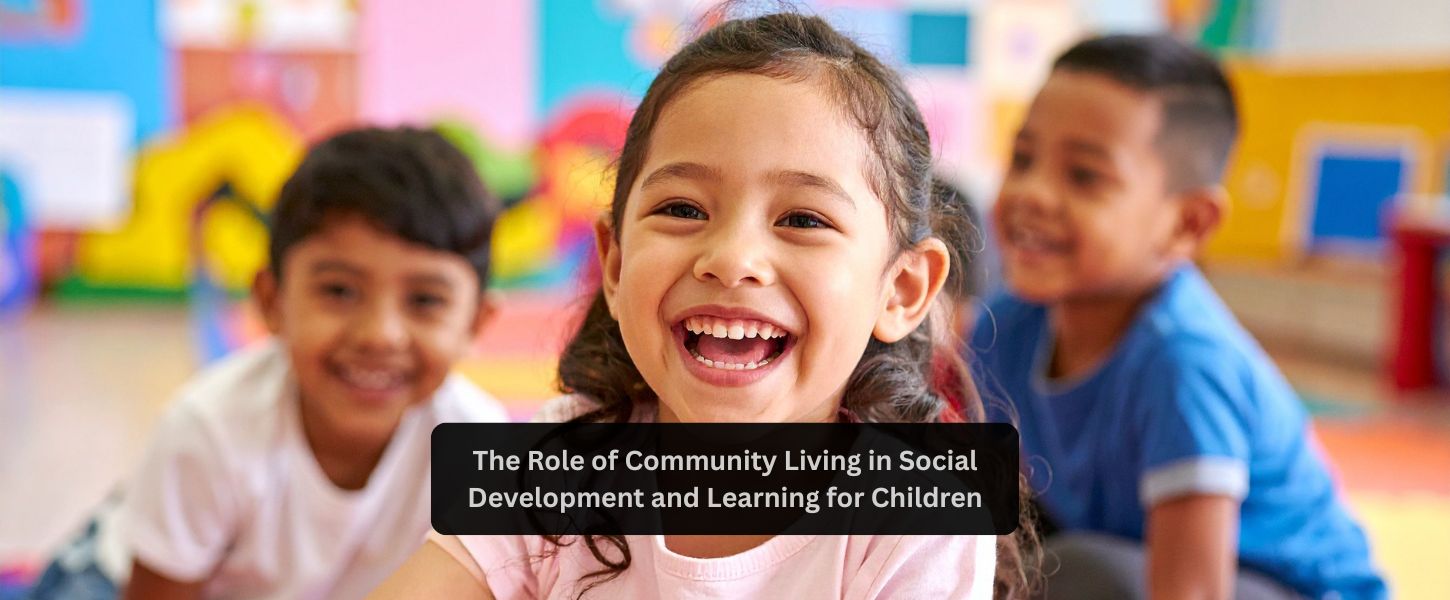

A child’s development is influenced by much more than family and formal education. The people they interact with, the environment they grow up in, and the experiences they encounter every day all contribute to their overall growth. Among these influences, community living plays a significant role in shaping a child’s personality, behavior, and future potential.
Today, experts increasingly recognize that Social Development is closely linked to the quality of a child’s social environment. Children who grow up in supportive communities often develop stronger relationships, better communication abilities, and greater confidence. Beyond academics, these interactions contribute to meaningful child social development and prepare children to thrive in an interconnected world.
Children learn continuously through observation, participation, and interaction. While parents remain their first teachers, the wider community becomes an extension of the learning environment.
A vibrant community provides opportunities for:
These factors contribute significantly to both child growth and development and long-term success.
One of the most valuable benefits of community living is the opportunity it provides for regular interaction with peers and adults. Whether through playground activities, cultural events, sports programs, or neighborhood gatherings, children learn how to communicate effectively and build relationships.
These experiences strengthen child social development by helping children:
As children interact with different people and situations, they gradually acquire the emotional intelligence necessary to navigate life successfully.
Communities provide children with everyday opportunities to interact, collaborate, and learn from others. Through shared experiences, they develop essential social skills for children such as communication, teamwork, leadership, emotional awareness, and problem-solving. Over time, these interactions strengthen overall social skills for kids, helping them build healthy relationships and adapt confidently to different social environments.
Education extends far beyond classrooms. Some of the most impactful lessons come from practical experiences that children encounter in their everyday surroundings. This is where community-based learning becomes particularly valuable.
Through participation in community initiatives, children gain exposure to real-world situations that encourage critical thinking and responsibility.
Examples include:
Such experiences encourage curiosity, creativity, and accountability while supporting both child learning and personal growth.
Unlike traditional academic learning, community-based learning encourages children to apply knowledge in practical situations. Whether participating in a tree-planting drive or organizing a local event, children learn valuable life skills that textbooks alone cannot teach.
These activities contribute significantly to learning and development by fostering independence, resilience, and leadership qualities.
Research consistently highlights the importance of social environments in shaping educational outcomes. Children who engage in community activities often demonstrate stronger communication skills, improved collaboration, and greater emotional well-being.
A supportive community environment contributes to child learning and development by providing:
When children feel connected to their surroundings, they become more motivated learners and more confident individuals.
Communities with parks, open spaces, libraries, sports facilities, and family-oriented activities provide children with opportunities to learn and interact naturally. These environments encourage exploration, creativity, and social engagement.
More importantly, they support healthy child growth and development by balancing academic learning with emotional and social experiences. Children raised in such environments are often better equipped to handle challenges, adapt to change, and build meaningful relationships.
As urban lifestyles become increasingly fast-paced, many parents are seeking environments that offer children opportunities to interact, play, and learn beyond screens and structured classrooms. Communities that promote engagement and participation help children develop stronger social connections and a sense of belonging.
This growing emphasis on kid-centric communities has influenced residential developments designed around family well-being. Developers such as Ashiana Housing have long recognized the importance of creating environments that support both social and emotional growth. Through projects like Ashiana Amarah, the emphasis extends beyond quality homes to fostering a vibrant community where children can interact with peers, participate in engaging activities, and benefit from enriching shared experiences.
Such developments reflect a broader understanding that meaningful experiences and community engagement contribute positively to both child learning and development and overall well-being.
Social Development is a critical part of a child’s overall growth, shaping how they communicate, collaborate, and build meaningful relationships throughout life. A supportive community environment provides children with opportunities to learn, interact, and develop essential life skills beyond academics.
Key benefits of community living include:
As families increasingly prioritize holistic development, community-focused environments continue to play an important role in raising confident, responsible, and socially aware individuals.
It helps children build confidence, communication skills, empathy, and healthy relationships.
It is learning through real-life experiences such as sports, volunteering, events, and group activities.
Children develop teamwork, communication, leadership, problem-solving, and emotional awareness.
By involving children in sports, clubs, community events, and outdoor group activities.