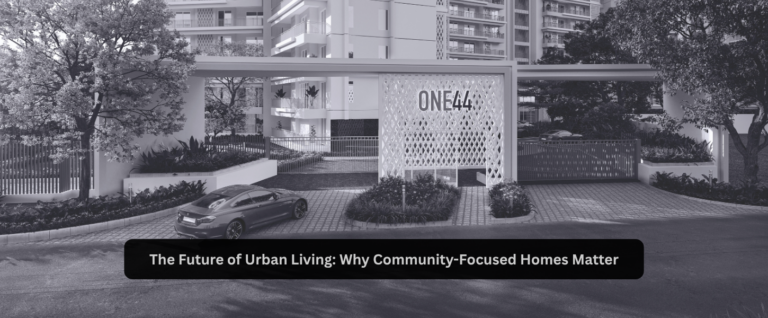
The Future of Urban Living: Why Community-Focused Homes Matter
Square footage, location, and specifications remain important considerations when choosing a home. But increasingly, the decision doesn’t end...
Read More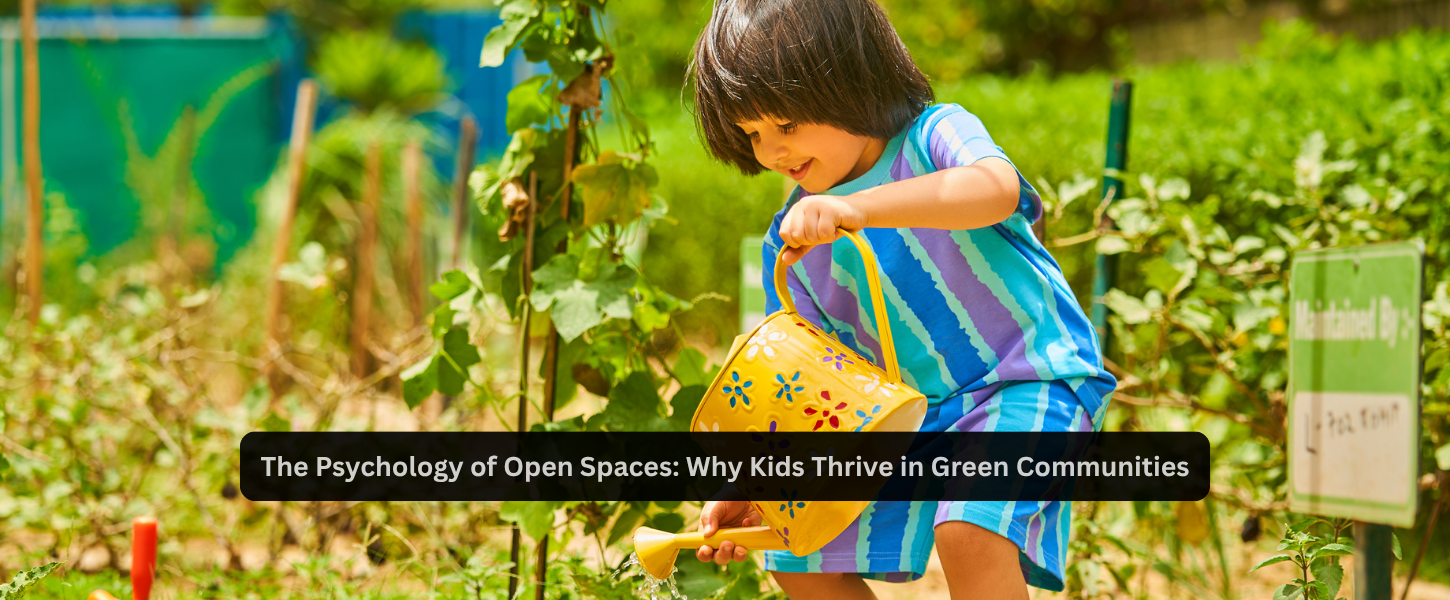

If you observe children closely, you’ll notice something instinctive, they are naturally drawn to open spaces. Whether it’s running freely in a park, chasing butterflies, or simply lying on the grass and looking at the sky, children seek environments that allow movement, exploration, and imagination.
Yet, modern urban living often limits this connection. High-rise apartments, busy schedules, and screen-heavy routines are gradually replacing outdoor play. What many parents may not realise is that a child’s surroundings play a profound role in shaping their emotional, cognitive, and social development. This is where the importance of green spaces and thoughtfully designed environments becomes essential.
From an environmental psychology perspective, the spaces children grow up in directly influence how they feel, think, and behave. Open and natural environments offer a calming effect that structured indoor settings often cannot replicate.
Studies suggest that children exposed to nature experience lower levels of stress and anxiety. Open environments provide a sense of freedom, reducing mental fatigue and promoting emotional balance. This is especially important in early years when children are still learning how to regulate their emotions.
There is also a strong connection between nature and cognitive development. Green surroundings help improve attention span and concentration. Unlike confined indoor spaces, nature gently stimulates the brain without overwhelming it, allowing children to focus better and think more clearly.
Children don’t just enjoy parks and recreation areas, they grow because of them. Living in communities with accessible open spaces allows children to experience a kind of freedom that structured environments often restrict.
These everyday experiences quietly contribute to stronger child development, shaping confidence and independence over time.
Outdoor play is deeply educational, linking movement with brain development in early childhood. Physical activity boosts blood flow, improving memory, learning, and problem-solving. Nature enriches sensory experiences, while kids’ outdoor activities reduce screen time, enhance focus, support better sleep, and promote balanced behaviour, contributing positively to overall child development.
While urbanisation has brought convenience, it has also introduced certain limitations for children.
Over time, these factors can impact both physical health and emotional well-being, making it even more important for families to prioritise environments that offer balance.
Modern residential developments are shifting towards environment-led planning, focusing not just on buildings but on how families, especially children, experience daily life. Well-designed communities now include dedicated open spaces for safe play, landscaped green areas, activity zones, and shared spaces that encourage interaction and connection.
This shift reflects a growing understanding of how surroundings influence behaviour and growth. Reputed developers like Ashiana Housing embrace kid-centric homes, creating environments where children can learn, play, and thrive, balancing indoor comfort with the freedom of outdoor living for holistic development.
At its core, open spaces are not just amenities, they are essential elements of a child’s upbringing. They nurture curiosity, build resilience, and create opportunities for learning beyond textbooks.
In a world that is becoming increasingly fast-paced and digital, giving children access to nature and space is one of the most valuable choices parents can make. Because sometimes, the simplest environments, green, open, and free, are the ones that shape the strongest, happiest, and most confident individuals.