The Future of Urban Living: Why Community-Focused Homes Matter
Square footage, location, and specifications remain important considerations when choosing a home. But increasingly, the decision doesn’t end...
Read More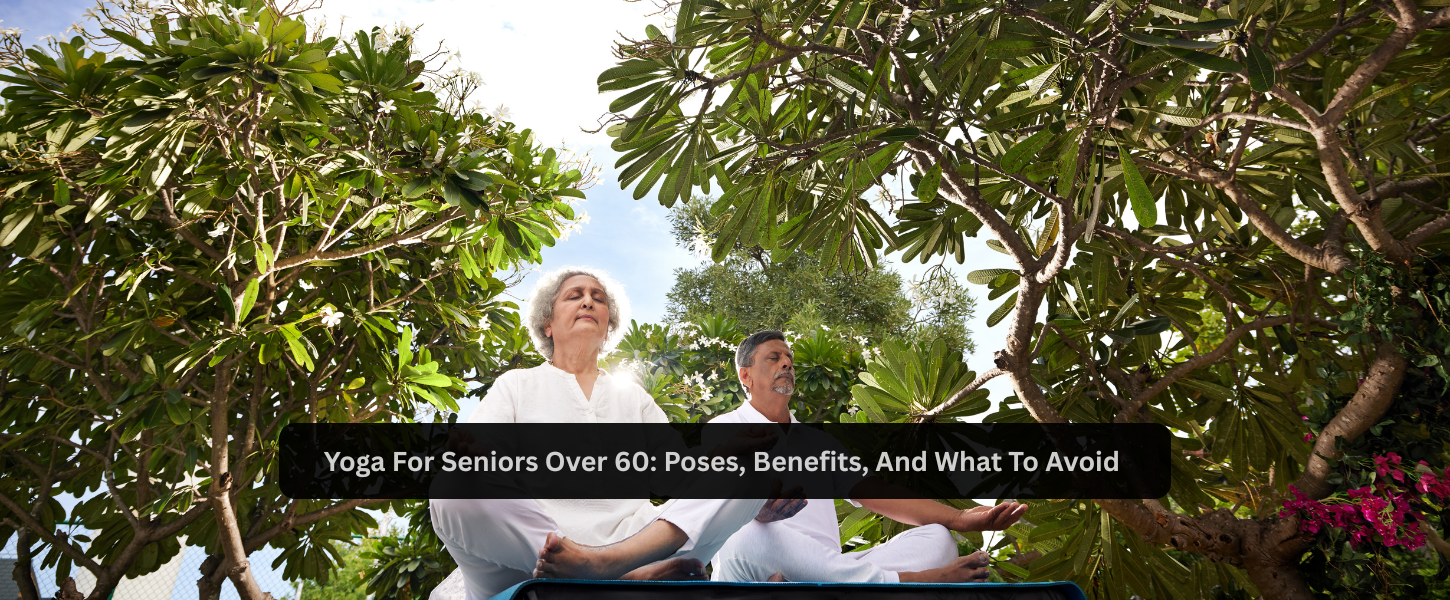

As we grow older, maintaining flexibility, strength, and balance becomes more important for staying active and independent. Everyday tasks like bending, walking, climbing stairs, or standing up can become difficult due to stiffness and reduced muscle strength. After 60, these changes are common, but they can be managed with regular yoga practice. Yoga helps seniors improve mobility, reduce tension, and support overall well-being.
Many people believe yoga is only for the young or flexible, but that is far from true. Yoga is not about perfect poses; it is about moving comfortably, breathing better, and feeling stronger in daily life. With gentle practice and consistency, seniors can enjoy better movement, improved balance, and a healthier lifestyle.
Yoga after 60 works on three things the body needs most at this stage: joint mobility, balance, and breath. Research from the University of Edinburgh found that yoga improved sleep quality, vitality, depression symptoms, and overall well-being in older adults. The benefits are not abstract; they show up in daily life.
Balance becomes crucial with age, as falls are a major concern for seniors. Gentle yoga improves leg strength, stability, and body awareness, helping reduce the fear of falling. Pranayama supports relaxation by calming the nervous system, while mindfulness through breath and movement improves focus, eases stress, and supports better emotional well-being.
Each of these poses can be done seated, standing with support, or modified to match your current mobility. There is no wrong version of any of them.
Most people who begin a gentle yoga practice notice the same changes within the first few weeks. Better sleep is usually the first one. The breathing exercises help the body wind down in the evening in a way that is genuinely different from simply lying down. Less morning stiffness is the second. Even 10 to 15 minutes of movement before breakfast changes how the rest of the day feels in the joints and the back.
The third change surprises people most. It is not a physical thing. It is the fact that they begin looking forward to it. Yoga becomes a part of the day that belongs only to them. That quality is rare, and for many seniors, it turns out to be as valuable as the physical benefits.
A few poses and habits create unnecessary risk for older adults, and knowing what to skip is as important as knowing what to practice. This is not about limitation; it is about a smarter version of the same goal.
Starting yoga after 60 does not require a studio, special equipment, or any prior experience. Ten to fifteen minutes a day is a genuine starting point. Consistency matters far more than duration in the early weeks.
Chair yoga and senior-specific classes are the most practical entry points because they are designed around actual mobility ranges, not idealized ones. Many cities offer them, and there are well-produced free video series online designed specifically for older beginners. If you have joint problems, a heart condition, or glaucoma, it is worth a brief conversation with your doctor first. Most will encourage it and may have one or two specific suggestions for your situation.
Yoga after 60 is not about what the body used to do. It is about what it can do now, with the right support and the right pace. At Ashiana Housing, we believe that your golden years should be filled with peace, health, and purpose. This is why gentle yoga and daily wellness activities are so incredibly important. To support this lifestyle, we purposefully design our communities with dedicated spaces like our built-in yoga lawns and meditation zones, giving you the perfect environment to nurture your mind and body.
Yes, with the right modifications. Chair yoga and gentle styles like Hatha yoga are specifically suitable for people with arthritis as they avoid high-impact movement.
Not at all. Chair yoga is a complete, effective practice that requires only a sturdy chair. Lying-down poses can be done on a bed with a firm mattress if getting down to the floor is difficult.
Most seniors report noticeable changes within two to three weeks of a consistent daily practice. Sleep quality and morning stiffness tend to improve first, followed by balance and confidence in four to six weeks.
Yes, and yoga is actually one of the better starting points after a long period of inactivity because it is low-impact, self-paced, and completely adjustable.