
The Future of Retirement Homes Is Built Around Community, Wellness, and Freedom
Retirement is changing. Today, life after retirement is no longer viewed as a time to slow down. For...
Read More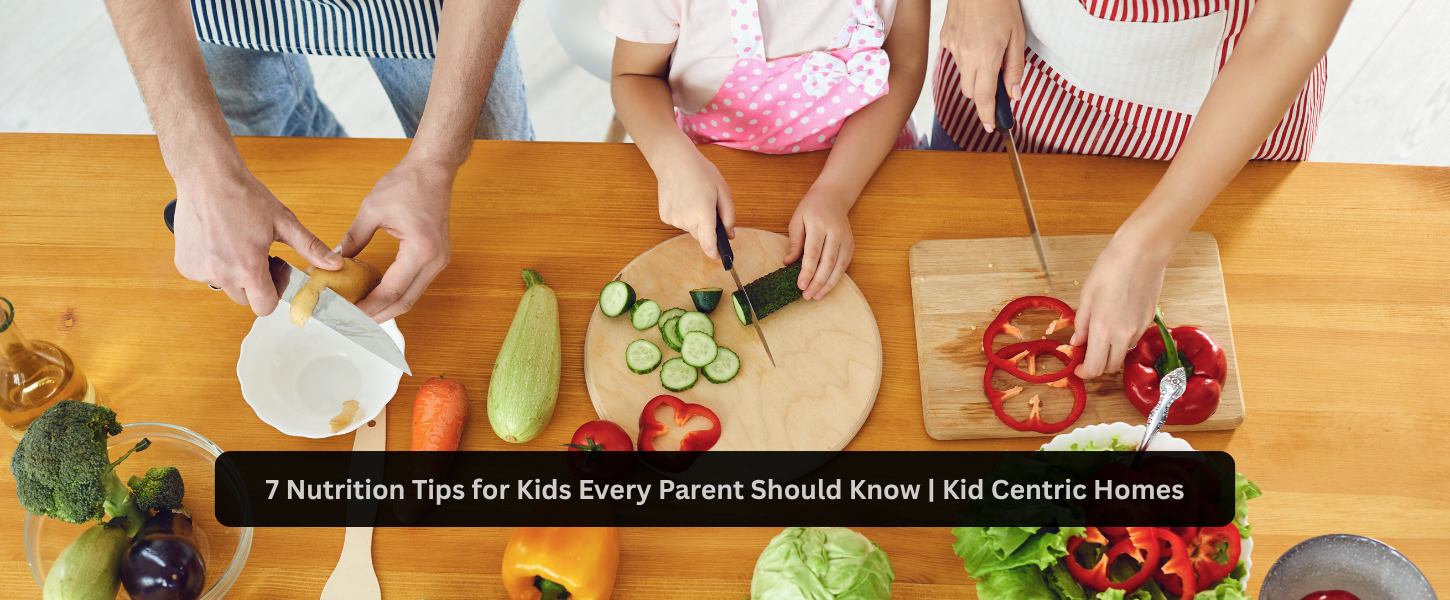

Every parent wants to give their child the best possible start in life, and it begins with the food they eat every day. Nutrition Tips for Kids are not just about adding vegetables to a plate or avoiding junk food. They are about building healthy habits that support energy, learning, immunity, and overall growth and development in children.
The choices children make during childhood and growing up can influence their health for years to come. A balanced diet helps children stay active in school, perform better during play, develop stronger immunity, and grow with confidence. The good news is that healthy eating does not have to be complicated or expensive. Simple Indian foods and everyday family meals can provide the nutrients children need to thrive.
In this blog, we share 7 Nutrition Tips for Kids that every parent should know, along with expert-backed guidance, practical meal ideas, and healthy food swaps that fit naturally into everyday family life.
The first few years of life are among the most important for child development. During this stage, children’s bodies and brains grow rapidly, making good nutrition essential for healthy bones, muscles, immunity, and cognitive development.
According to the World Health Organization (WHO) and UNICEF, healthy eating during childhood supports physical growth, brain development, learning ability, and immunity while reducing the risk of malnutrition and future health problems.
Good nutrition is not about perfection. It is about giving children a variety of wholesome foods consistently throughout childhood and growing up.
Every stage of childhood and growing up has different nutritional needs. Understanding these changes helps parents make better food choices.
| Age Group | Nutrition Focus |
| Toddlers (1–3 years) | Calcium, iron, healthy fats, and protein support rapid growth and brain development. Soft foods like dal, curd, khichdi, paneer, fruits, and vegetables work well. |
| School-age Children (4–12 years) | Protein, fibre, Vitamin D, calcium, and iron help support learning, immunity, and active play. Include roti, dal, eggs, milk, seasonal fruits, vegetables, and nuts. |
| Teenagers (13–18 years) | Higher energy, protein, Vitamin B12, zinc, and omega-3 requirements support puberty, muscle development, and brain health. Include paneer, legumes, dairy, seeds, fish, soy, and whole grains. |
This is one of the most important Nutrition Tips for Kids because children’s nutritional needs evolve as they grow.
Breakfast fuels learning, concentration, and active play. One of the easiest Nutrition Tips for Kids is making breakfast balanced instead of sugary.
Healthy breakfast ideas include poha with peanuts, vegetable idli with sambar, ragi dosa, oats with fruits, or paneer stuffed roti with curd.
Colourful fruits and vegetables provide different vitamins and antioxidants that support child development.
Aim to include carrots, spinach, tomatoes, beetroot, pumpkin, mangoes, berries, bananas, and seasonal fruits across the week.
Protein supports healthy muscles, immunity, and child growth and development.
Simple Indian protein options include dal, rajma, chana, paneer, curd, milk, eggs, soy nuggets, and sprouts.
Whole grains provide fibre, vitamins, and steady energy.
Choose whole wheat roti, brown rice, oats, ragi, millets, and homemade parathas instead of refined breads and packaged snacks.
Children naturally snack between meals, so keep nutritious options ready.
Seasonal fruits, roasted chana, makhana, nuts, yoghurt, homemade smoothies, vegetable sticks, and peanut chikki are excellent healthy nutrition tips for everyday snacking.
Hydration is an important part of Nutrition Tips for Kids.
Encourage water, buttermilk, coconut water, milk, and homemade fruit drinks instead of soft drinks or packaged juices with added sugar.
Avoid labelling foods as “good” or “bad.”
Instead, teach moderation, eat meals together as a family, involve children in cooking, and introduce new foods without pressure.
Positive food experiences during childhood and growing up create healthier habits later in life.
| Nutrient | Why Children Need It | Best Food Sources |
| Protein | Supports muscles, tissues, and overall child growth and development | Dal, paneer, milk, eggs, beans, soy, chicken, fish |
| Vitamin D | Helps build strong bones and improves calcium absorption | Milk, fortified dairy, eggs, sunlight exposure |
| Vitamin B12 | Supports brain function and healthy red blood cells | Dairy products, eggs, fortified cereals |
| Zinc | Supports immunity and healthy growth | Nuts, seeds, legumes, whole grains, dairy |
| Omega-3 | Supports brain and eye development | Flaxseeds, walnuts, chia seeds, fatty fish |
| Fibre | Supports digestion and gut health | Fruits, vegetables, oats, whole wheat roti, millets |
| Iron & Micronutrients | Support immunity, energy, and cognitive development | Spinach, lentils, jaggery, beans, beetroot, seasonal vegetables |
These nutrients form the foundation of healthy nutrition tips recommended by paediatric nutrition guidelines.
| Meal Time | Healthy Combination |
| Breakfast | Vegetable poha with peanuts + milk + banana |
| Mid-Morning Snack | Seasonal fruits such as apples, guavas, mangoes, or papayas |
| Lunch | Dal, whole wheat roti, mixed vegetables, curd, and cucumber salad |
| Evening Snack | Roasted makhana or sprouts chaat with lemon |
| Dinner | Paneer curry with roti and vegetables, or vegetable khichdi with curd |
This simple meal pattern naturally includes many of the Nutrition Tips for Kids discussed above.
At Ashiana Housing, healthy childhood goes beyond nutrition. Ashiana’s Kid Centric Homes are designed to create an environment where children can eat well, play freely, sleep better, and grow confidently.
Safe outdoor play areas, sports facilities, cycling tracks, landscaped greens, and activity zones encourage children to stay physically active every day. Through Ashiana’s Live and Learn programme, children also participate in activities that support creativity, teamwork, leadership, and life skills.
For parents, this creates a natural bridge between healthy eating habits, active lifestyles, limited screen time, outdoor play, and holistic child growth and development.
Healthy eating during childhood and growing up is not about following strict diets. It is about creating simple habits that children enjoy and can continue throughout life.
These Nutrition Tips for Kids encourage balanced meals, colourful plates, protein-rich foods, hydration, healthy snacks, and positive mealtime experiences. Combined with regular physical activity, good sleep, and a supportive community environment, they create a strong foundation for lifelong health.
At Ashiana Kid Centric Homes, healthy living extends beyond the kitchen by giving children safe spaces to play, learn, and grow every day, because the best childhood is one where nutrition, activity, and learning come together naturally.
Children need protein every day to support child growth and development. Good sources include dal, paneer, milk, eggs, legumes, soy, yoghurt, and nuts. Protein requirements vary by age and activity level.
Offer a variety of foods without forcing children to eat. Introduce new foods gradually, involve children in cooking, and keep mealtimes positive and consistent.
Yes. A well-planned vegetarian diet with dal, beans, paneer, curd, milk, soy, nuts, seeds, whole grains, and seasonal fruits can support healthy child development.
Hydration needs vary by age, weather, and activity levels. Encourage children to drink water regularly throughout the day instead of sugary beverages.
Balanced meals rich in fruits, vegetables, protein, zinc, Vitamin D, Vitamin C, and other micronutrients help support a healthy immune system alongside good sleep and regular physical activity.