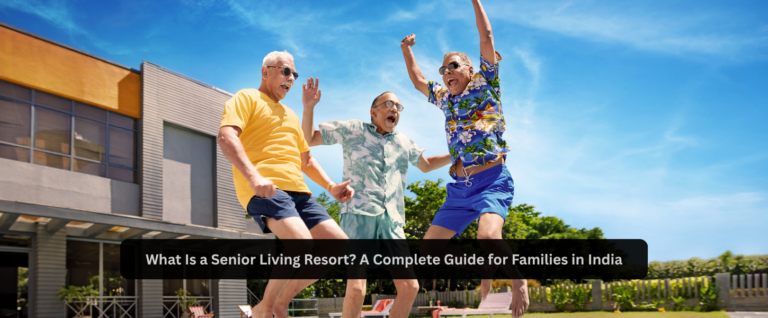
What Is a Senior Living Resort? A Complete Guide for Families in India
Retirement should be about enjoying life at a comfortable pace, staying connected with loved ones, and having the...
Read More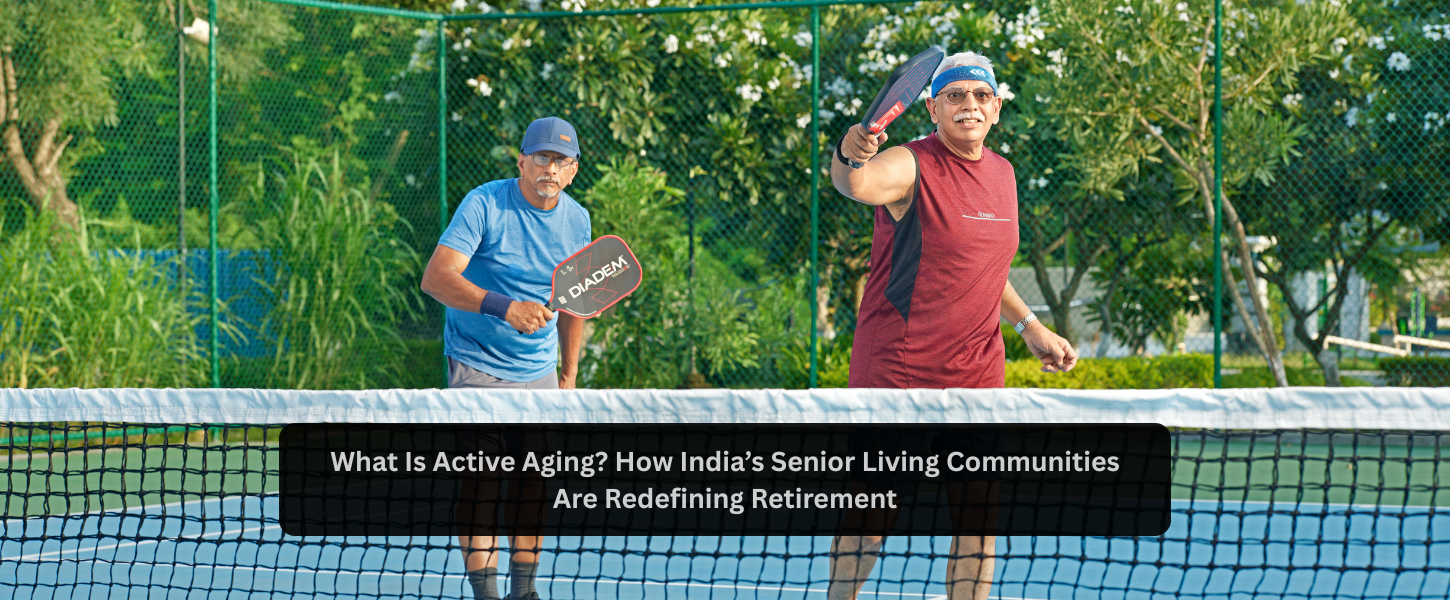

Retirement has always been seen as a major life transition, a phase where work slows down, responsibilities reduce, and life takes a different rhythm. But retirement does not have to mean stepping away from an active, fulfilling life. For many seniors today, this phase represents an opportunity to explore new interests, build meaningful connections, and spend time doing things they truly enjoy.
The difference between a retirement filled with isolation and one filled with purpose often comes down to one important factor: the environment. The right surroundings can encourage movement, social interaction, and independence, transforming retirement from a quiet phase of waiting into a chapter of continued participation.
This idea is at the heart of active aging, a concept that is changing the way people look at life after 60.
Active aging is not about staying young forever or constantly being productive. It is about creating opportunities for people to continue living a healthy, engaged, and meaningful life as they grow older.
According to the World Health Organization (WHO), active aging focuses on optimizing opportunities for health, participation, and security to improve quality of life as people age. It goes beyond physical fitness and includes emotional well-being, social connections, mental stimulation, and the freedom to make choices.
For seniors, active aging means having the opportunity to continue doing what brings happiness, whether it is walking in the morning, joining a hobby group, learning something new, spending time with friends, or simply being part of a community.
For generations, retirement was often imagined around staying at home and spending more time with family. While family remains an important source of support, lifestyles are changing rapidly.
Today, many children live in different cities or countries due to career opportunities. Neighborhoods that once had strong social connections are also changing. As a result, many seniors may find themselves with more free time but fewer opportunities for regular interaction.
A home that was comfortable for a working family may not always support an active lifestyle after retirement. Limited accessibility, fewer social spaces, lack of nearby recreational options, or reduced mobility can gradually affect how often seniors step out, meet people, or participate in activities.
Active aging recognizes that staying connected is just as important as staying physically healthy.
Modern senior living communities are designed around a simple idea: retirement should offer freedom, comfort, and connection. Unlike traditional perceptions, senior living is not about giving up independence. It is about creating an environment where seniors can enjoy their independence while benefiting from added convenience and support.
Communities designed for active aging provide spaces and opportunities that make everyday engagement easier. Walking paths, activity areas, hobby spaces, fitness facilities, and community events encourage residents to maintain an active routine.
Equally important is the presence of a like-minded community. Being surrounded by people in a similar stage of life creates natural opportunities for friendships, conversations, and shared experiences.
A good senior living community also focuses on safety without limiting freedom. Features such as accessibility-friendly designs, emergency support systems, and thoughtful services allow residents to feel secure while continuing to make their own choices.
The biggest change that senior living brings is not just a better home but a better lifestyle. Many seniors discover new routines after moving into a community. Someone who once spent most of the day indoors may find joy in morning walks, social gatherings, fitness activities, or pursuing hobbies they had set aside earlier.
The person does not necessarily change; the environment enables a different version of their everyday life. When seniors have access to companionship, activities, and a safe environment, retirement becomes less about slowing down and more about making the most of every day. This is the essence of active aging, creating a lifestyle where age does not define possibilities.
India is experiencing a significant demographic shift, with the senior population growing steadily. As life expectancy increases and family structures evolve, the need for thoughtful senior living solutions is growing.
The idea of senior living in India is also moving beyond the traditional concept of old age homes. Today’s communities focus on dignity, independence, and quality of life.
The new approach is based on three important pillars:
This changing perspective allows retirement to be viewed not as an ending, but as a new beginning.
For families exploring senior living options, it is important to look beyond the physical infrastructure. A community’s real value lies in the everyday experience it creates for residents. Factors such as the quality of activities, resident engagement, healthcare support, accessibility, and the overall community atmosphere play an important role.
A well-designed senior living environment should encourage participation while respecting personal preferences. It should offer opportunities to connect but also allow residents the comfort of their own space.
Active aging is a reminder that life continues to evolve at every stage. Retirement does not have to be defined by limitations; it can be a time of exploration, relationships, and meaningful experiences.
With thoughtfully designed senior living communities, older adults can find the right balance between independence and support, privacy and connection, comfort and activity.
Ashiana Senior Living believes that a home should support every stage of life, including the years when people have the time and freedom to truly enjoy it. Through senior living communities built around connection, care, and active lifestyles, retirement can become a fulfilling journey filled with new experiences.
Active aging is a lifestyle approach that focuses on maintaining health, participation, independence, and quality of life as people grow older. It includes physical activity, social connections, mental engagement, and emotional well-being.
Senior living communities are designed to support independent lifestyles while offering safety, convenience, and community engagement. They focus on providing seniors with an active and fulfilling way of life rather than only care services.
After retirement, regular workplace interactions and social routines often reduce. A senior living community provides opportunities for friendships, activities, and meaningful connections, helping seniors stay socially engaged.
Families should consider factors such as location, safety features, healthcare support, lifestyle activities, resident engagement, and the overall environment to ensure the community supports a happy and independent retirement.