
What Is a Senior Living Resort? A Complete Guide for Families in India
Retirement should be about enjoying life at a comfortable pace, staying connected with loved ones, and having the...
Read More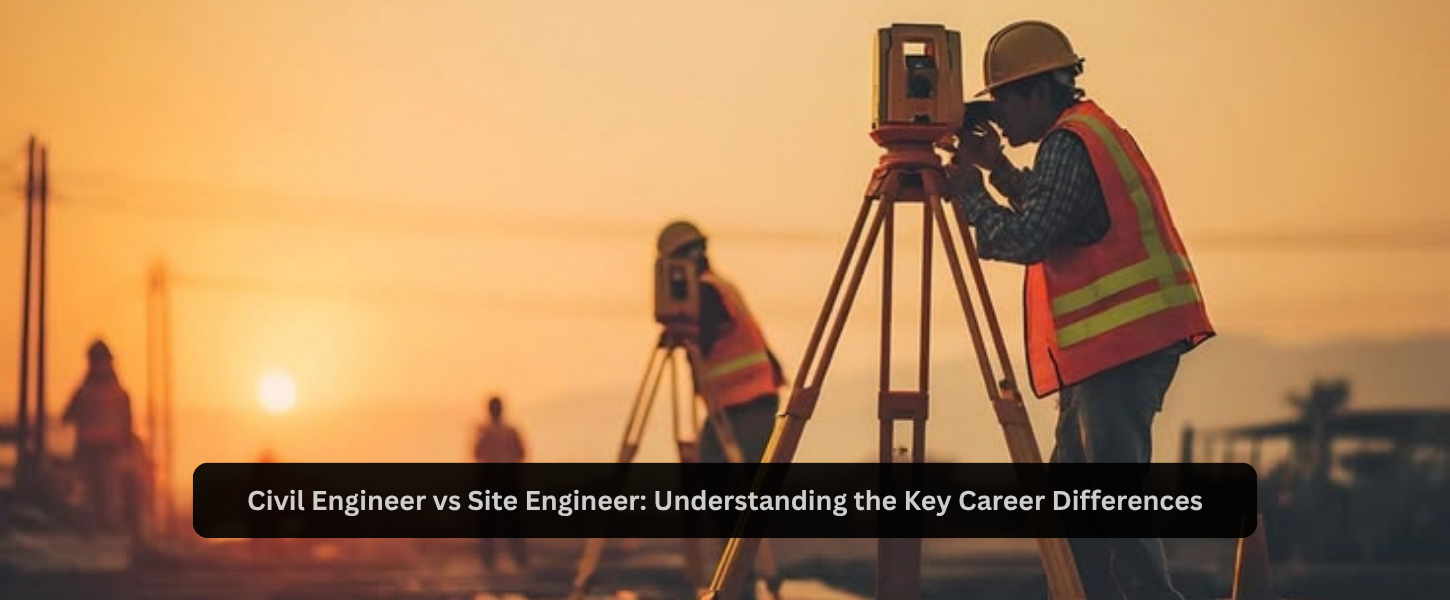

Students and early-career professionals entering the construction industry often come across two job titles that appear very similar: civil engineer and site engineer. Both roles contribute to the successful delivery of buildings and infrastructure, and both generally require a civil engineering background. However, the day-to-day work, the working environment and the long-term career direction can differ considerably.
Understanding these differences early helps candidates make informed decisions about a career in construction and plan their education, skills and experience accordingly. This blog compares the two roles across key parameters so that you can identify the path that best suits your strengths and goals.
A civil engineer is generally responsible for the planning, design, analysis and overall engineering of a project. A site engineer is responsible for turning those plans into reality on the ground by supervising execution, quality, safety and progress.
In some organisations, the site engineer role is part of the wider civil engineering function. In others, the two are distinct positions in separate teams. You may also come across the title construction engineer, commonly used by contracting firms, which usually blends elements of both roles with a focus on construction methods and project delivery.
A civil engineer typically handles feasibility studies, structural and infrastructure design, quantity calculations, technical specifications and coordination with architects, consultants and regulatory authorities.
A site engineer focuses on implementation. This includes interpreting drawings, supervising contractors and labour, managing materials, conducting quality checks, maintaining progress records and ensuring that safety protocols are followed on site.
Civil engineers in design and consulting roles usually work in an office environment, with periodic site visits for inspections or coordination. A site engineer, by contrast, spends most of the working day on the project site, often in varied weather and working conditions, and may need to work extended hours during critical construction stages.
Both roles usually require a diploma or bachelor’s degree in civil engineering, although entry criteria vary between employers. Design-focused civil engineer positions may favour a postgraduate qualification, such as an M.Tech in structural or geotechnical engineering, along with professional certifications. A site engineer role often places greater weight on practical exposure, internships and hands-on site experience.
A civil engineer is expected to be strong in structural analysis, design software, building codes and technical documentation. A site engineer needs sound drawing interpretation, measurement and estimation skills, workforce coordination, quick problem-solving and a firm understanding of site safety. Strong communication and time management are valuable in both roles, as is the broader versatility expected of a construction engineer.
Civil engineers are accountable for the technical soundness of the design, while a site engineer is accountable for the accuracy, quality and timeliness of execution. In practice, the two roles depend on each other, and effective collaboration between them is essential to avoid rework, cost overruns and delays.
A typical progression for a civil engineer in design or consulting runs from graduate engineer to senior design engineer, design manager and head of design or technical director. A site engineer commonly progresses to senior site engineer, project engineer, project manager and eventually head of projects. Movement between the two tracks is possible, and many professionals combine design and site experience to reach senior leadership roles.
Compensation depends on the employer, city, project type and years of experience rather than the job title alone. Both tracks offer steady increments, and professionals who add specialised skills such as BIM, project planning or quality management often see faster progression.
A civil engineer’s day may begin with reviewing drawings and calculations, followed by design coordination meetings with architects and consultants, preparing technical reports and responding to queries from the execution team.
A site engineer’s day often starts with a morning briefing on site, followed by checking work progress, verifying materials, inspecting quality and coordinating contractor teams. The day usually ends with updating progress reports and planning the next day’s activities.
Choose the civil engineer path if you enjoy analytical work, technical problem-solving and design-led thinking, and are comfortable with a desk-based environment with occasional site exposure.
Choose the site engineer path if you prefer a hands-on, fast-paced environment where you see the results of your work take shape every day.
Many professionals begin as a site engineer to build practical credibility and later move into design, planning or project management. Others start in design and shift to site roles. Either way, a well-rounded career in civil engineering benefits from experience in both areas.
Urban housing, industrial corridors, transport networks and public infrastructure continue to expand across the country, which keeps demand strong for both roles. A career in India’s construction sector offers exposure to large and varied projects, structured promotions and opportunities to move across real estate, infrastructure and consulting.
For graduates evaluating a career in India within the engineering domain, the construction industry remains a dependable and growth-oriented option, particularly for those who invest in continuous learning. A career in civil engineering is further supported by emerging areas such as sustainable construction, digital project tools and modular building methods.
Also Visit: Ashiana Housing Careers
The civil engineer and the site engineer play complementary roles in delivering safe, high-quality construction projects. One shapes the design and technical foundation, while the other ensures that it is executed precisely on the ground. Choosing between them depends on your interests, working style and long-term goals.
Whichever path you select, a career in construction offers a rewarding mix of technical challenge, stability and growth. Building a career in India’s expanding infrastructure landscape begins with understanding where your strengths lie and committing to continuous learning.
Not exactly. A site engineer is usually a civil engineering graduate or diploma holder who focuses on on-site execution, while a civil engineer in design or consulting focuses on planning and technical design. The titles overlap in some organisations.
Yes. With further study, software proficiency and design exposure, a site engineer can transition into design, planning or consulting roles.
Both offer strong growth. The better option depends on personal strengths, interests and the type of organisation.
A construction engineer typically manages construction methods, resources and project delivery. The role often overlaps with that of a site engineer or project engineer, depending on the organisation.
Yes. Continued investment in housing and infrastructure ensures lasting demand for skilled professionals.