
What Is a Senior Living Resort? A Complete Guide for Families in India
Retirement should be about enjoying life at a comfortable pace, staying connected with loved ones, and having the...
Read More

This Independence Day, help children look beyond the familiar names and dates of India’s freedom struggle. The stories of freedom fighters can open simple conversations about how courage, discipline, unity, and service can be practised in everyday life. Here are seven lessons that connect those historical stories with choices children can make at home, at school, and in their communities.
For parents, learning about freedom fighters is not only about remembering historical events. It is about connecting those stories with values children can apply at home, at school and within their communities.
The story of Mahatma Gandhi, lovingly known as Bapu, can introduce children to kindness and self-control. The courage of Rani Lakshmibai can become a lesson in bravery and determination. The journey of Sarojini Naidu can help children understand the importance of using their voice responsibly.
This Independence Day, instead of simply asking children to memorise an Indian freedom fighters list, help them discover the values behind those stories. Here are seven meaningful lessons that can help raise responsible, confident, and caring citizens.
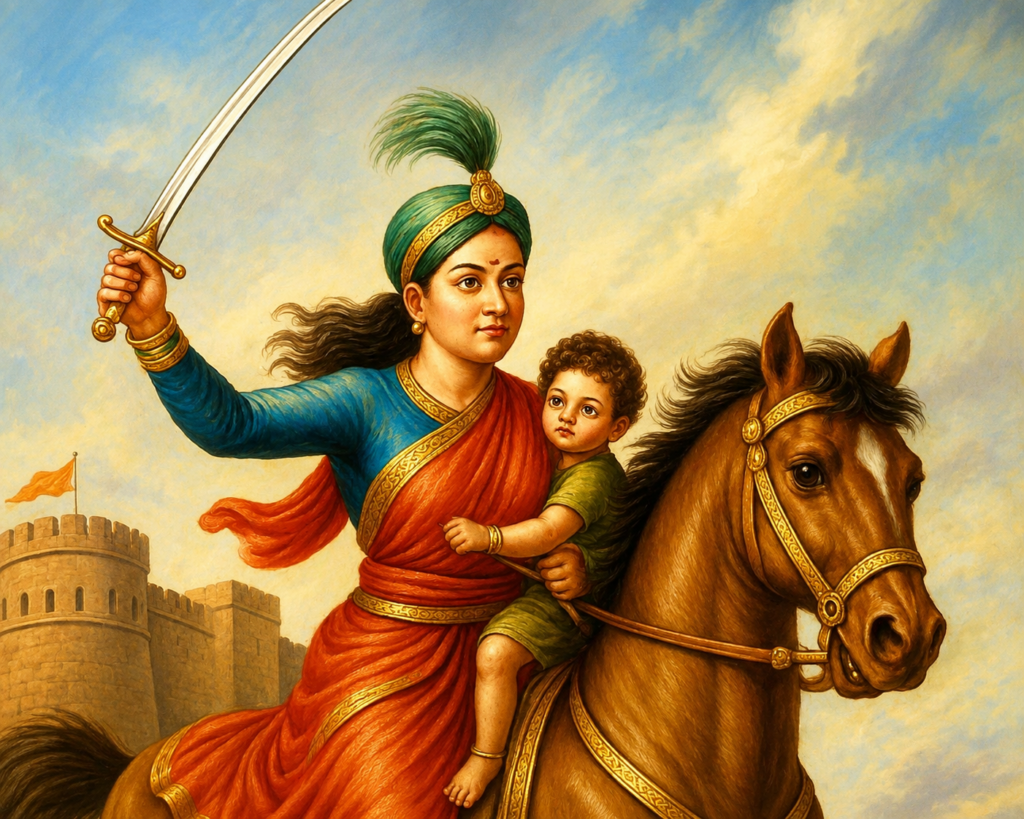
Rani Lakshmibai of Jhansi is remembered as one of the most courageous leaders of India’s freedom struggle. Her bravery, determination and leadership during the 1857 uprising continue to inspire generations.
Her story can help children understand that courage is not only about facing difficult situations. It is also about standing up for what is right, supporting others and making responsible choices.
Parents can connect this value with situations children experience at school or in their communities. Ask them how they would respond if they saw bullying, unfair treatment or someone being left out.
Choosing to speak the truth, include others and support someone who needs help are small actions through which children can practise courage in everyday life.
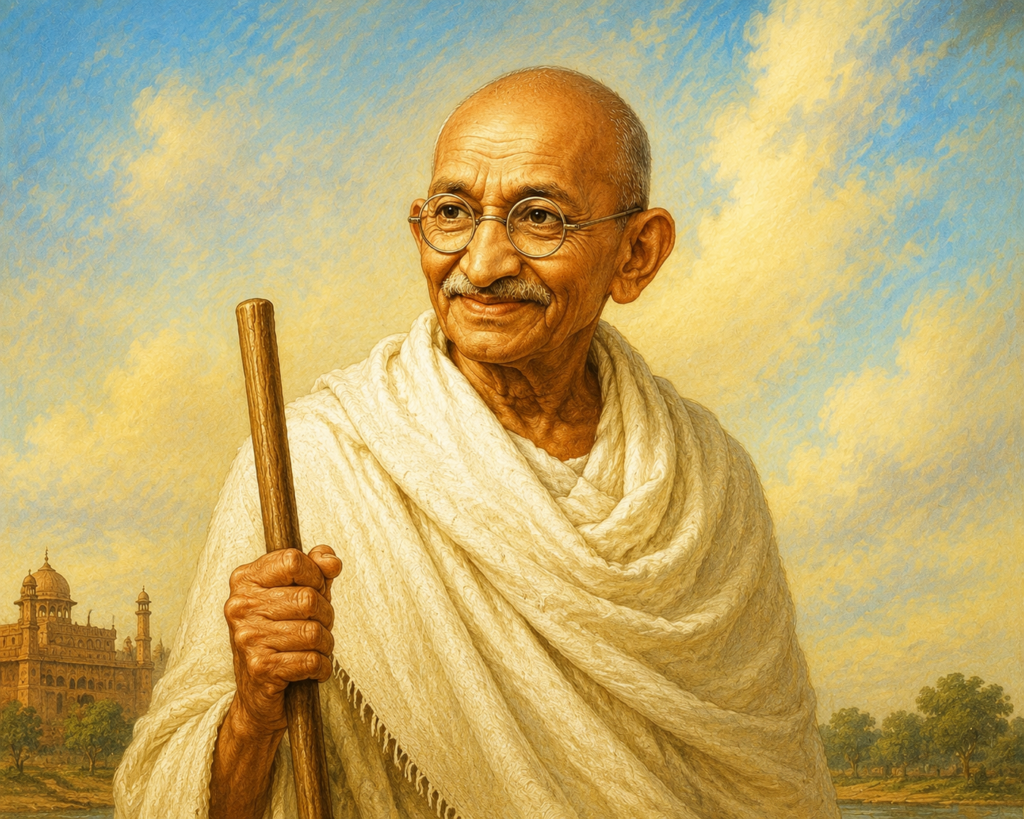
Mahatma Gandhi, lovingly known as Bapu, played a significant role in India’s freedom movement through his principles of truth, non-violence and peaceful resistance. His approach offers children a valuable lesson for everyday life: strength does not always have to be loud. Listening, staying calm, resolving disagreements respectfully, and refusing to hurt others are also forms of strength.
Children can practise this value by learning to pause before reacting, expressing their feelings calmly and finding solutions through conversation. These habits help them understand that being responsible is not about winning every argument, but about handling differences with patience and respect.
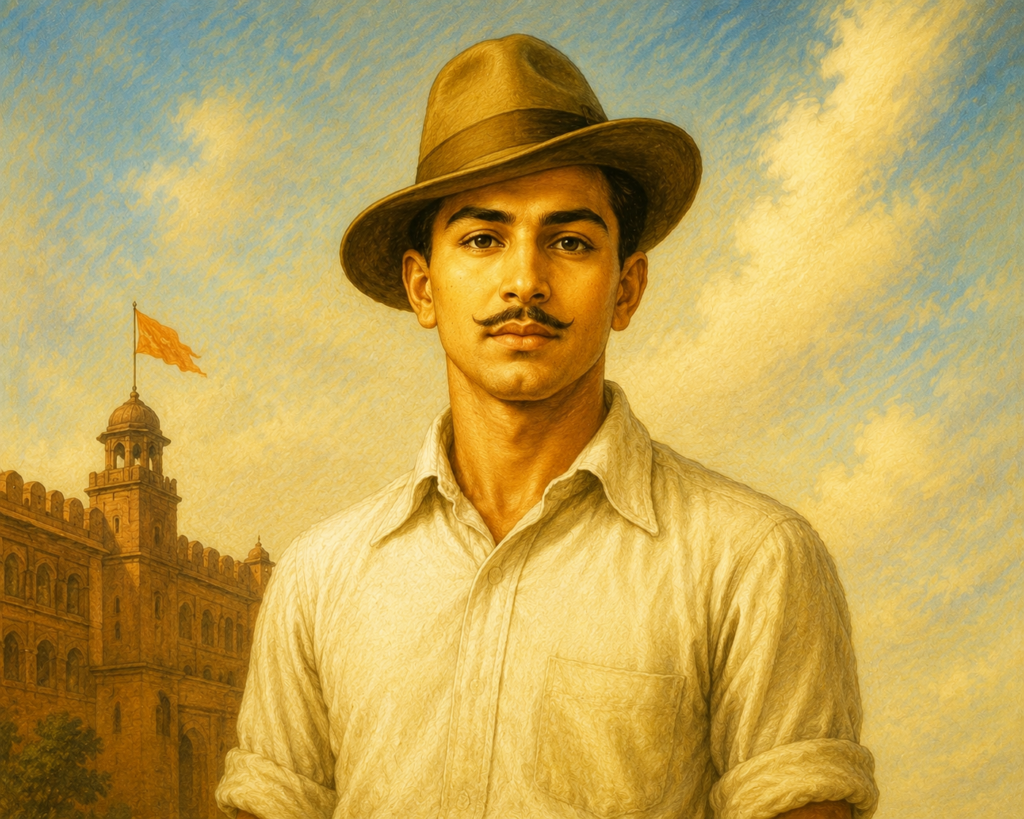
Bhagat Singh is remembered for his commitment to India’s freedom and his willingness to face severe consequences for his beliefs. His story can help children understand perseverance: meaningful goals often require patience, effort, and the ability to continue even when the path is difficult.
This lesson can be connected to everyday challenges. Whether a child is learning a new skill, preparing for an examination, playing a sport, or trying to improve a habit, parents can encourage progress instead of perfection. The message is simple: setbacks do not have to define the journey.
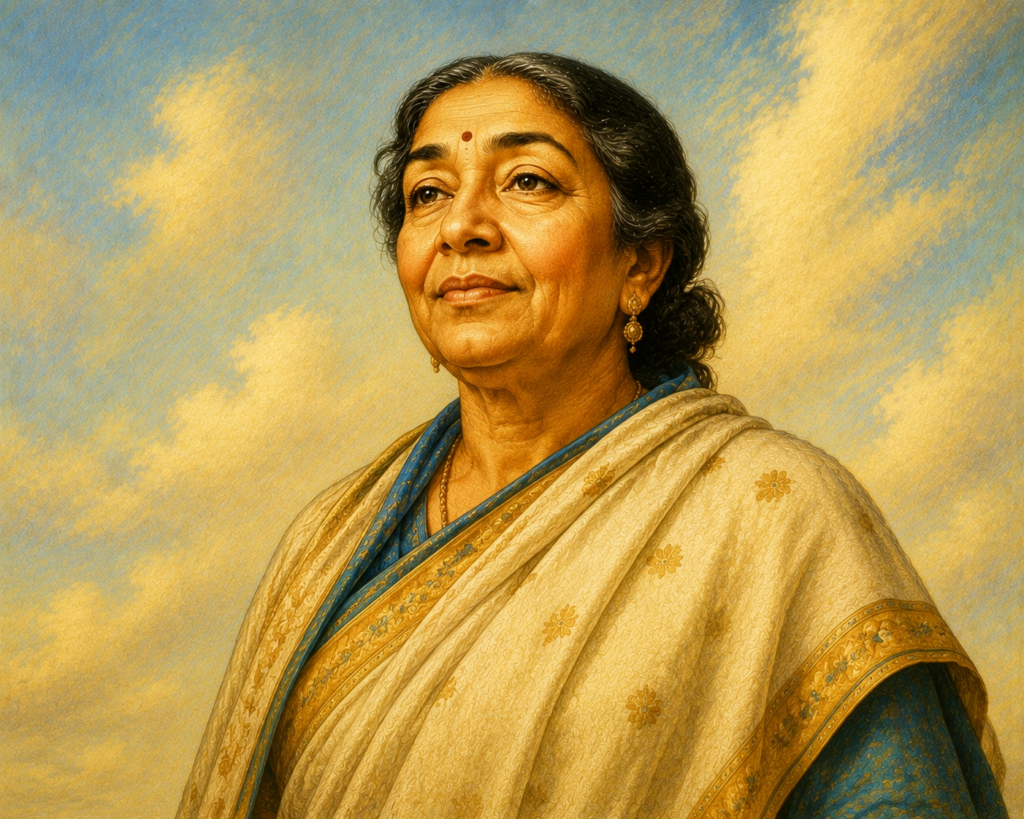
Sarojini Naidu played an important role in India’s national movement and used her voice to encourage collective action. Her work also reminds us that India’s freedom struggle involved people from different communities, regions, and backgrounds. For children, this becomes a lesson in respecting differences while working towards a shared goal.
Parents can bring this idea into community life. Encourage children to play with neighbours from different backgrounds, listen to other viewpoints, participate in community celebrations, and understand that friendship does not require everyone to think or live in the same way. A responsible citizen knows how to belong to a larger community without losing respect for individuality.
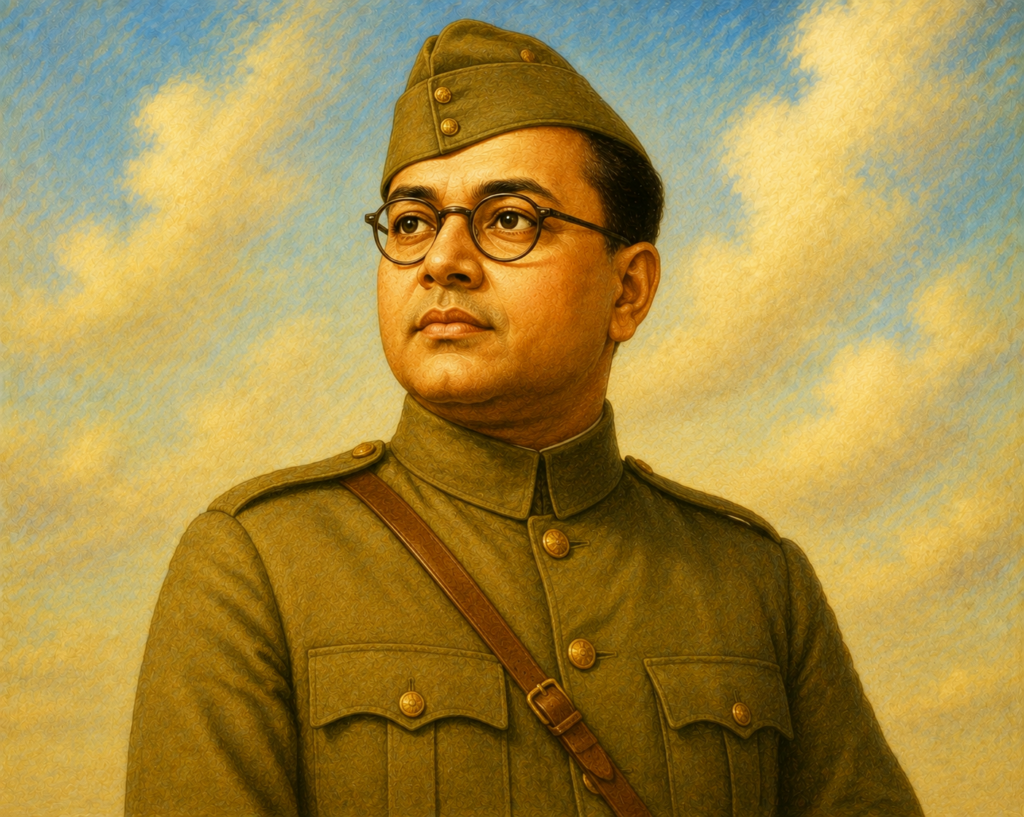
Subhas Chandra Bose is remembered for his determination and leadership of the Indian National Army. His life can help children understand that strong intentions need consistent action behind them. Having a goal is one thing; building the discipline to work towards it every day is another.
For children, discipline can be as simple as completing homework on time, taking care of their belongings, keeping promises, following through on responsibilities, or making time for reading and physical activity. Parents can explain that responsible citizens are not created by occasional good actions. They are shaped by everyday habits.
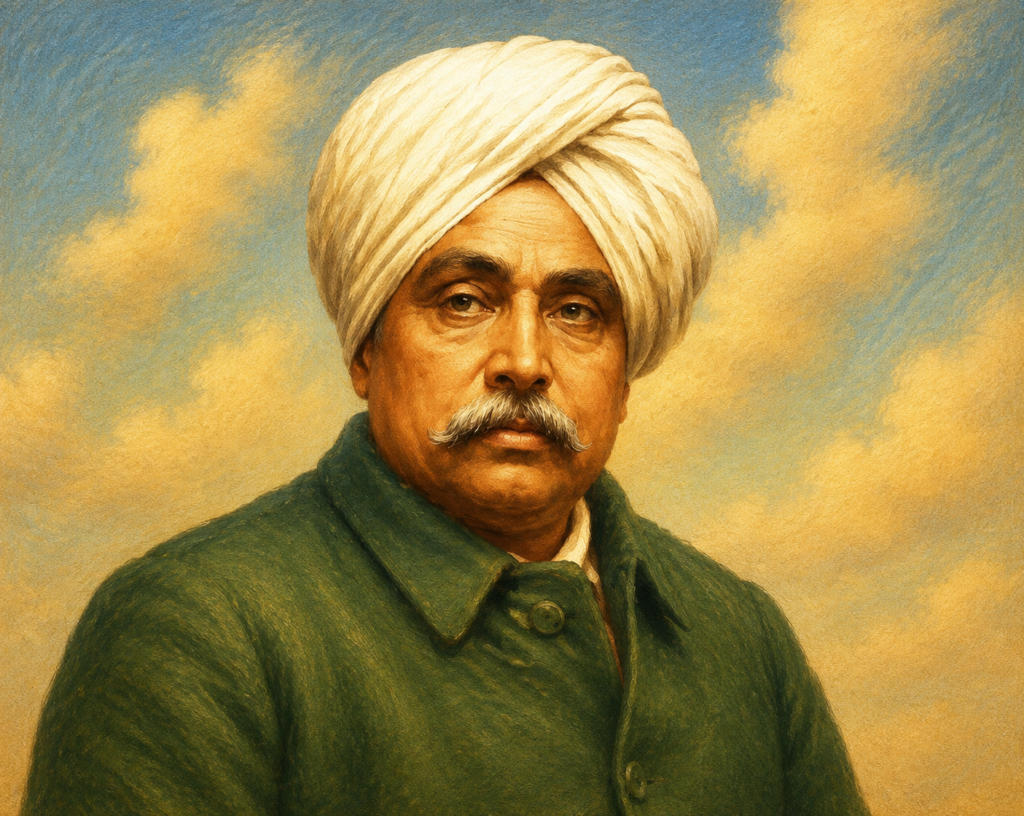
Lala Lajpat Rai was a prominent leader of India’s freedom movement and one of the figures associated with the Lal-Bal-Pal trio. He believed strongly in self-rule and encouraged people to stand up for their country without giving in to fear. His life shows children that leadership is not only about being in charge; it is also about having the courage to stand by what you believe is right.
Parents can connect this lesson to everyday life by encouraging children to take responsibility for their choices, speak honestly, and stand up respectfully when they see unfair behaviour. A child who can accept responsibility, support a classmate, or calmly express what they believe is right is already practising the kind of thoughtful leadership that Rai represented.
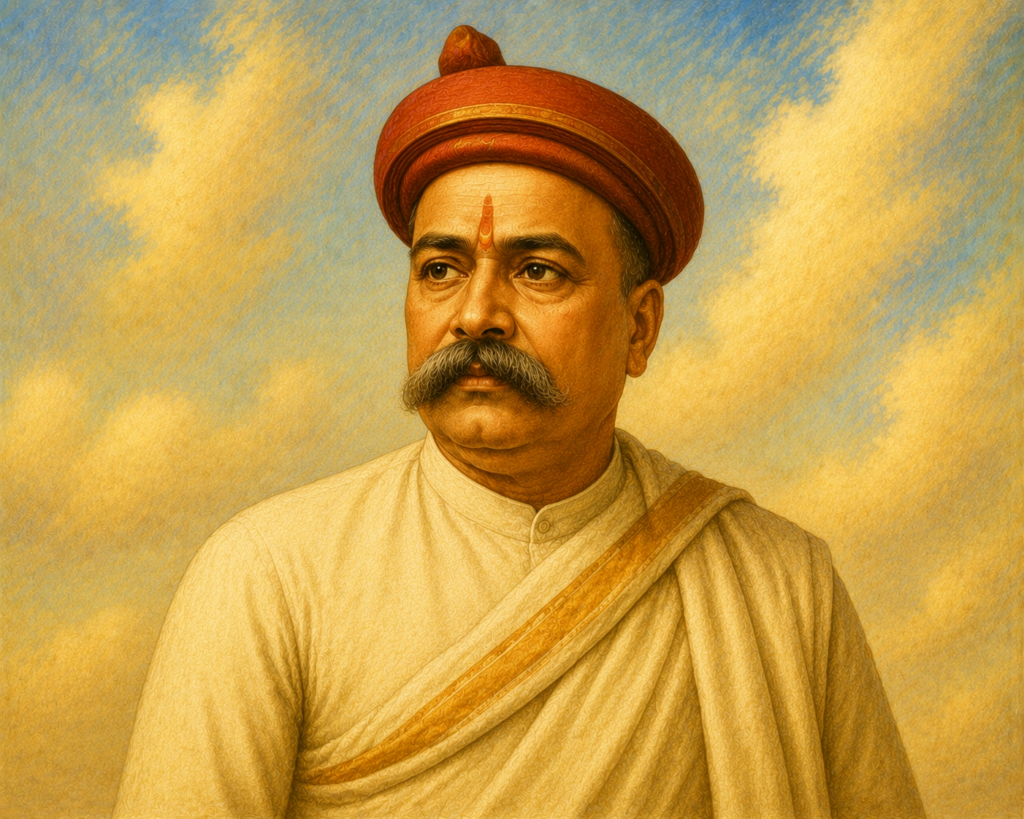
Bal Gangadhar Tilak was an important leader of India’s freedom movement who used journalism, public life and political action to spread awareness about self-rule.
His journey teaches children that meaningful change often begins when people are willing to speak up, stay committed and work towards a goal.
For children, this lesson can mean using their voice thoughtfully and taking action. They can speak up about a school issue, contribute to a group project, practise a skill regularly or work towards improving their surroundings.
The takeaway is simple: having a strong goal matters, but consistent effort is what helps turn an idea into action.
Values become stronger when children get opportunities to practise them.
A child may learn about unity in a textbook, but playing with neighbours from different backgrounds helps them experience it. They may read about responsibility, but caring for a shared garden can turn that idea into a habit.
A thoughtfully planned community can provide children with opportunities to interact, cooperate and learn from others. Shared parks, activity areas, clubhouses and common spaces encourage children to develop qualities such as empathy, respect and teamwork.
At Ashiana Housing, community-focused living is designed around spaces and experiences that encourage meaningful interaction among residents. For families, this creates an environment where children can learn important life lessons beyond the classroom.
At Ashiana Amarah by Ashiana Housing in Gurgaon, the Live & Learn programme further supports this approach through planned monthly activities that encourage children to explore their interests, discover new skills and develop confidence through engaging experiences.
The stories of India’s freedom fighters belong to history, but the values they represent can still shape the way children live today. Courage, peace, perseverance, unity, discipline, empathy, and responsibility are not lessons that need to stay inside a textbook. They can be practised at home, in school, and in the community.
This Independence Day, go beyond telling children about the sacrifices that gave India its freedom. Talk to them about what they can do with that freedom. Because raising responsible citizens begins with helping children understand that the freedom we celebrate also gives us a responsibility to make our homes, communities, and country better.
Freedom fighters are people who played roles in India’s struggle for independence from British rule. They came from different regions, communities, professions, and backgrounds and contributed to the movement in different ways.
Learning about Indian freedom fighters can help children understand India’s history while introducing them to values such as courage, perseverance, unity, discipline, and responsibility.
Children can learn that courage can mean standing up for what is right, discipline helps turn goals into action, unity makes communities stronger, and freedom comes with responsibility.
Parents can use age-appropriate stories, books, documentaries, museum visits, family discussions, and Independence Day activities to make history engaging and connect it with everyday values.
Parents can begin with a simple Indian freedom fighters list featuring well-known figures such as Mahatma Gandhi, Rani Lakshmibai, Bhagat Singh, Subhas Chandra Bose, Sarojini Naidu, and Sardar Vallabhbhai Patel, and then explore lesser-known contributors as well.