
What Is a Senior Living Resort? A Complete Guide for Families in India
Retirement should be about enjoying life at a comfortable pace, staying connected with loved ones, and having the...
Read More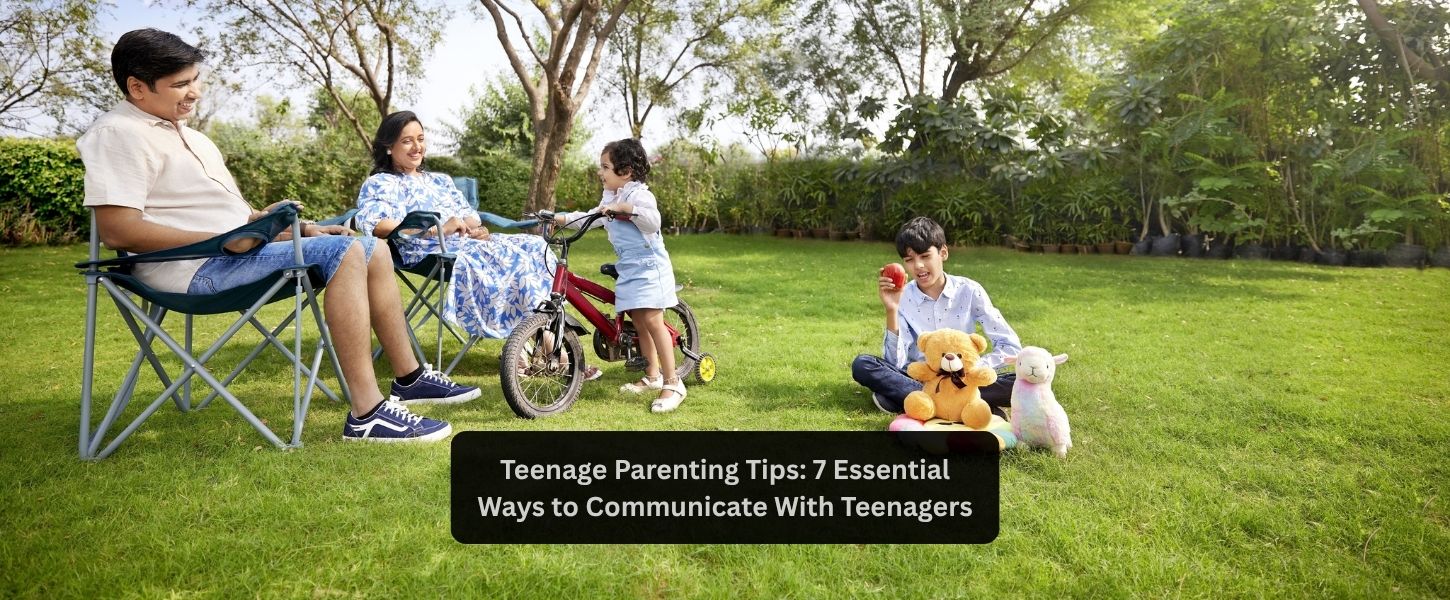

Teenage parenting tips can help parents stay connected as children become more independent. During adolescence, young people develop new ways of thinking, form stronger opinions, and place greater importance on friendships and personal identity.
These teenage parenting tips can help parents navigate those everyday conversations at home. Parents need patience, attention, and an understanding of when to listen, respond, or give their teenager some space.
A teenager is a young person between the ages of 13 and 19. The teenage years are part of adolescence, a stage when children gradually move towards greater physical, emotional, social, and cognitive maturity.
During these years, teenagers begin to develop stronger opinions, make more independent decisions, and explore their interests and personal identity. They may also become more influenced by friendships and seek greater privacy and freedom from their parents.
Every teenager develops differently. Some may become more independent quickly, while others may continue to seek regular support and guidance from their parents. Understanding these changes can help parents communicate with teenagers with greater patience and respect.
Teenagers need to feel heard without expecting an immediate lecture or judgment. The American Academy of Paediatrics recommends listening without judgment and avoiding an alarmed reaction when teens bring concerns to parents. This can create a safer space.
For better communication tips for parents:
Knowing what to avoid is part of learning how to talk to teenagers. A quick or dramatic response can make a teenager less willing to share next time.
During difficult conversations, avoid:
A calmer response gives parents time to understand the situation without making teenagers feel criticised. Learning how to talk to teenagers also means choosing a response that leaves room for another conversation later.
The best teenage parenting tips are simple habits repeated over time. These seven approaches can make talking to teenagers more comfortable and help build trust without forcing conversation.
Listening is one of the most useful communication tips for parents. Put distractions aside and let your teenager complete their thought before you respond. You can repeat the main point in your own words to check that you understood them correctly.
The goal is to understand before deciding what to do. This supports communication with teenagers by giving them room to explain.
Strong reactions can make teenagers hesitate before sharing something again. If your child mentions a disagreement with a friend, pause before deciding who is right or how serious the issue is.
Try to understand the situation first:
These communication tips for parents can keep emotional conversations calm.
Empathy is important, but parents do not need to match every emotion their teenager expresses. A teenager may be angry about a friendship problem today and see the situation differently later.
A steady response can acknowledge the feeling without making the situation bigger. Ask what happened, recognise the feeling, and give them space to think. This can make communication with teenagers more balanced.
Questions that invite a longer answer can make talking to teenagers easier. Ask what they thought, what happened next, or how they would handle it.
Try:
These questions can support cognitive development by encouraging teenagers to explain their reasoning and consider choices.
Important conversations do not always need a formal setting. A car ride, walk, shared meal, or household activity can provide a relaxed opportunity for talking to teenagers.
Use these moments to ask about school, hobbies, friendships, or plans without making every interaction about rules. Regular conversations can strengthen communication with teenagers.
Teenagers are developing their identity and decision-making abilities. Parents still need reasonable boundaries, while age-appropriate choices can help young people practise responsibility.
Discuss family rules, explain limits, and allow decisions where appropriate. This balance can support cognitive development while showing that independence comes with responsibility.
Learning how to talk to teenagers also means accepting disagreement. A respectful difference of opinion can still be useful.
A teenager may not be ready to talk when asked. Let them know you are available, then return to the subject when the moment feels better.
One useful tip for teenage parenting is consistency. When parents stay available after difficult conversations, teenagers learn they can return for support.
Communication does not happen only during serious conversations. Shared meals, hobbies, walks, and comfortable common spaces create everyday opportunities for connection.
This is where Ashiana Housing’s kid-centric homes can be relevant to family life. Ashiana describes its kid-centric homes as communities designed around children’s learning, play, mentorship, and development. Its current offering includes dedicated learning hubs, child-friendly layouts, secure play environments, and the Live & Learn programme, which features activities focused on communication, creativity, safety, and empathy.
These teenage parenting tips can also extend beyond the conversation itself. These spaces can give children opportunities to spend time with peers, pursue interests, and take part in activities outside the classroom. A supportive home can complement everyday family conversations.
Children need room to grow while knowing their family is there to listen. A thoughtful home and community can support that balance.
Teenage parenting tips become more useful when applied consistently. Understanding teenagers, listening before reacting, respecting independence, choosing the right time, and keeping the door open can make communication easier.
Parents do not need every answer. They need a home where teenagers feel comfortable sharing and finding support. With patience and everyday connection, families can stay close as children grow into confident, independent young adults.
Start with a calm question, listen without interrupting, respect their privacy, and let them choose when to continue. Consistent patience can make future conversations easier over time at home together.
Parents should avoid lectures, comparisons, quick judgments, repeated questioning, and dramatic reactions. Staying calm helps teenagers feel safer sharing concerns, mistakes, disagreements, and everyday experiences with their parents regularly, too.
Build trust by listening consistently, keeping reasonable promises, respecting age-appropriate privacy, explaining boundaries, and remaining available when your teenager wants support, guidance, or reassurance during difficult moments at home.
A kid-centric home can provide shared spaces, activities, learning opportunities, and community experiences that encourage independence, friendships, family interaction, and everyday connection between parents and teenagers throughout childhood naturally.